
Guangzhou to Hong Kong Trains
Guangzhou to Hong Kong Trains
The Guangzhou–Shenzhen–Hong Kong Express Rail Link covers the roughly 140 km (and by some measures as little as 37 miles, or 59 km, depending on the exact route) between Guangzhou South Railway Station and Hong Kong West Kowloon Station in as little as 47 minutes, with train tickets costing between €8 and €10 for the journey — generally the fastest way to make the crossing. Second Class and Business Class both offer comfortable seating, power outlets, and onboard Wi-Fi, with a co-location immigration setup at West Kowloon Station letting passengers clear both Mainland China and Hong Kong customs in one building before exiting. For comparison, flights from Guangzhou to Hong Kong are available multiple times daily out of Guangzhou Baiyun International Airport, with Cathay Pacific among the carriers serving the route and its last flight departing at 10:20 PM; flight duration runs 1 hour 20 to 1 hour 35 minutes, though once airport transport and check-in are added, the time saved over the train shrinks considerably for such a short distance
Guangzhou offers more affordable living costs compared to Hong Kong, is integrated into Mainland China's domestic digital infrastructure, and relies on Simplified Chinese characters common across the mainland, with social networks in the city often family-oriented and community-focused; Guangzhou Cantonese uses Mandarin adaptations for modern concepts instead of English, reflecting domestic commerce norms guided by local apps and networks, a traditionally rooted cultural identity, and a service culture that emphasizes traditional hospitality and regional ties, all adding up to a more relaxed and grounded pace of life.
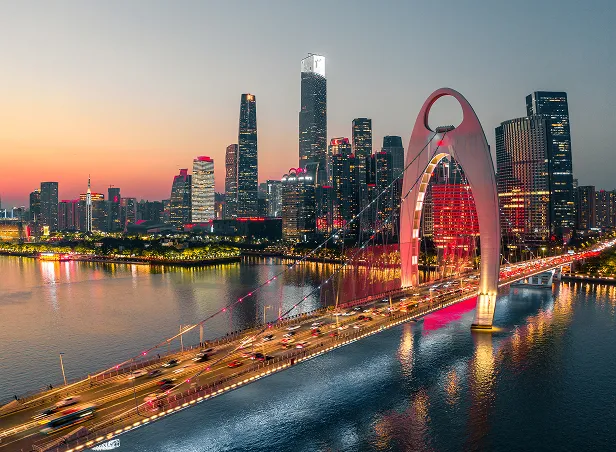
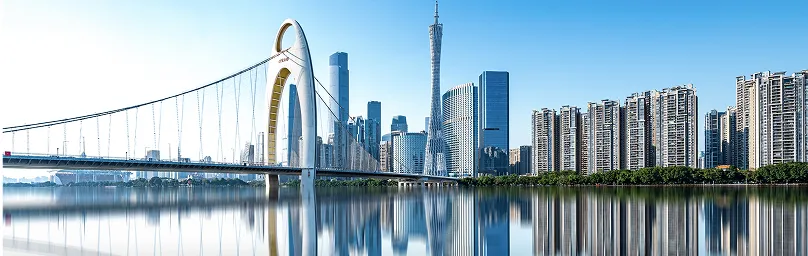
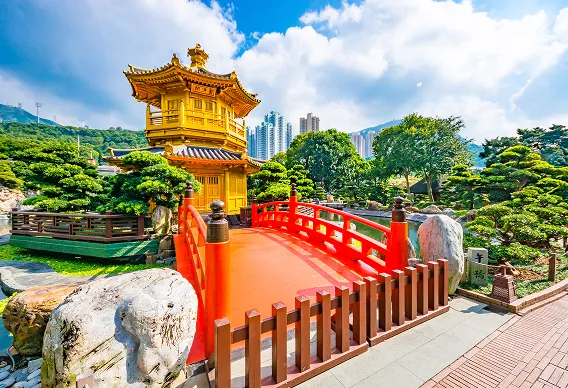
The distance from Guangzhou to Hong Kong by train is 142 kilometres (approximately 88 miles), but the significance of this corridor goes far beyond the numbers. The Guangzhou-Shenzhen-Hong Kong High Speed Railway connects two of southern China's most dynamic cities along a route that passes through five intermediate stations including Humen, Guangmingcheng, Shenzhen North, and Futian, with trains operating at speeds of up to 300 km/h on the mainland section and 200 km/h within Hong Kong. Driving the same distance takes around two hours under normal conditions, but introduces cross-border traffic queues, customs formalities at the land crossing, and the logistical complexity of driving between two jurisdictions with different traffic systems. The train, covering 142 kilometres in as little as 47 minutes, makes the journey between these two cities feel closer than the map suggests and has transformed what was once a half-day undertaking into a routine commute for tens of thousands of Greater Bay Area residents.
The shortest travel time on the Guangzhou to Hong Kong route is 47 minutes, making it one of the fastest cross-border rail connections in Asia. With 35 average daily departures, the first train leaving Guangzhou at 06:32 and the last at 21:32, the timetable covers the full range of travel needs from early-morning business travel to evening leisure journeys. Services run approximately every half hour during the day and roughly every hour at night, giving travellers considerable flexibility throughout the day without needing to plan tightly around a single departure. The trains, branded as Vibrant Express, offer free Wi-Fi across all carriages, spacious standard and first class seating, overhead luggage racks, large luggage storage areas at the ends of each car, restrooms, and food and drink carts throughout the journey. The combination of speed, frequency, and onboard comfort makes this one of the most impressively efficient short cross-border rail links anywhere in the world.
This is one of the most searched practical questions about this route, and the answer involves one of the most ingenious immigration arrangements in modern rail travel. Hong Kong West Kowloon Station operates a co-location immigration arrangement, meaning passengers complete both Hong Kong and mainland China border formalities at a single location within the station, without needing to clear customs separately at the Guangzhou departure point or at any intermediate station. When travelling from Guangzhou, there is no immigration procedure at the boarding station: passengers simply ride to West Kowloon Station in Hong Kong, where both Chinese exit formalities and Hong Kong entry formalities are handled in the same facility on the same floor. It is strongly recommended to arrive at West Kowloon Station at least 90 minutes to 2 hours before departure when travelling in the other direction, as peak hours can see queues at both immigration checkpoints. Your passport serves as your ticket if booked digitally, so keeping it accessible throughout the process is the single most important practical preparation.
Tickets on the Guangzhou to Hong Kong route start from $57 when booked in advance, with prices varying based on the class of travel, the specific station in Guangzhou you depart from, and how far ahead you book. A second class seat ticket costs approximately $30, while a first class seat costs around $48 on standard services, though prices can be higher during peak periods including public holidays, Golden Week, and the Canton Fair season when demand surges significantly. Tickets become available for booking 14 days before departure and can be purchased through the official High Speed Rail website, through platforms like Trip.com, or at ticket counters at the station. Tickets are linked to your passport or travel document, which serves as your ticket and must be presented at all checkpoints. During the Canton Fair and major Chinese public holidays, tickets sell out extremely quickly and booking as early as the 14-day window opens is strongly advisable to avoid missing your preferred departure.
Guangzhou has two stations serving the Hong Kong route, and the right choice depends on where you are staying in the city. Guangzhou South Railway Station is the main departure point for the fastest high-speed services to Hong Kong, located in the Panyu District and reachable from the city centre in around 30 minutes by Metro Line 2. Guangzhou South is a vast and modern hub that also serves high-speed rail connections to other major Chinese cities, making it the more convenient option for travellers connecting onward from Beijing, Shanghai, or other mainland destinations. Guangzhou East Station is a smaller and more central station that is convenient for travellers staying in the Tianhe district or other eastern parts of the city, and its more compact layout makes it easier to navigate quickly. In Hong Kong, all trains from both Guangzhou stations arrive at West Kowloon Station, which is directly connected to the MTR network via the Tung Chung Line and the Tuen Ma Line, with Austin Station just a two to three minute walk away and Kowloon Station around ten to twelve minutes on foot, making onward travel to any part of Hong Kong straightforward upon arrival.
Yes — the Guangzhou–Shenzhen–Hong Kong Express Rail Link runs directly between Guangzhou South Railway Station and Hong Kong West Kowloon Station, with no need to change trains, taking as little as 47 minutes on the fastest departures, with ticket prices between €8 and €10. Compared with flights to Hong Kong International Airport, which are operated by carriers such as Cathay Pacific, the train is often simpler because airport-based options can involve a long end-to-end process once transfers and check-in are included. Bus services are another alternative, with fares between €8 and €21 that can be low compared with other options, making them a practical way to save on the trip. For day-to-day living, Guangzhou also offers more spacious housing compared with Hong Kong’s micro-apartments.
Passengers clear both Mainland China and Hong Kong immigration and customs at West Kowloon Station through a co-location arrangement, meaning there's no separate border stop — everything happens in one building before you exit into Hong Kong.
Not really for most travelers — flights are available multiple times daily, with Cathay Pacific's last flight departing at 10:20 PM and flight duration running 1 hour 20 to 1 hour 35 minutes, but once airport transport and check-in time are added, the train's 47-minute city-to-city ride is usually faster overall.
Not always — bus tickets can be as low as €9 and usually cost between €9 and €16, which can help you save money on some departures, though they only occasionally undercut the train's €8 to €10 fare depending on the specific service, while the high-speed train remains dramatically faster for a similar or lower price in most cases.
Not usually — ferry tickets from Guangzhou to Hong Kong cost around €55, considerably more than the train or bus, making it a choice mainly for travelers who specifically want the harbor crossing experience rather than the fastest or cheapest option.
Not for most travelers — driving from Guangzhou to Hong Kong requires cross-border vehicle permits, an extra administrative step that adds time and complexity compared to simply boarding the high-speed train.
Guangzhou retains a more relaxed, traditionally rooted pace of life with Mandarin-influenced Cantonese and community-focused social networks, while Hong Kong runs on a fast-paced, internationally connected rhythm with English-influenced Cantonese, pricier real estate, and a leisure scene built around shopping, nightlife, and global dining.
Victoria Peak, Victoria Harbour, and the city's dense street markets are all reachable by MTR from West Kowloon Station, offering a quick introduction to Hong Kong's mix of British colonial and Chinese culture.
Guangzhou offers a sprawling, commercially driven city with a traditionally rooted culture and a generally cheaper cost of living, while Hong Kong is far denser, pricier, and more internationally connected — both cities are easily linked by one of the world's fastest cross-border train services, making a combined itinerary simple to plan.
For most travelers, the high-speed train remains the top pick for Guangzhou - Hong Kong, connecting Guangzhou South or Guangzhou East to Hong Kong West Kowloon Station in under an hour, while flights from Guangzhou to Hong Kong are available multiple times daily, typically operated by airlines such as Cathay Pacific, for those who'd rather fly despite the short distance and the fact that airport transfers, check-in, and security can turn it into a long door-to-door process.
Guangzhou Baiyun International Airport offers a number of daily options into HKG, but once you apply the extra time needed to enter the terminal, clear security, and wait for boarding, the results rarely beat the direct train — an adult traveler can simply enter West Kowloon Station from the mainland side and be through in under an hour.
Yes, within a certain range of preference — bus travel time between Guangzhou and Hong Kong is around 3 to 3.5 hours, though some services take about 4 hours depending on the route and number of stops, so it's worth checking departure times before choosing this slower option if you want to save money with a relatively low fare.
Not quite the same things, but something comparable — Guangzhou is characterized by wide boulevards and extensive public parks, while Hong Kong features a dense urban landscape with accessible country parks nearby, giving visitors in both cities a way to step outside the busier commercial districts.