
What To Know About the High Speed Trains in Spain
Taking a train in Spain is one of the best ways to explore this vibrant country. Spain's rail network offers fast connections, reliable services, and a comfortable experience — from high speed trains linking Barcelona and Madrid in record time to regional trains serving smaller towns. Spain has one of the most extensive high speed networks in Europe. The high speed rail infrastructure has grown rapidly since the first high speed line opened between Madrid and Seville in 1992. Today, the high speed network connects major cities including Barcelona, Valencia, Seville, Málaga, and Zaragoza, with trains reaching speeds of up to 310 km h.
The AVE (Alta Velocidad Española) is the backbone of Spanish rail. AVE trains run on dedicated high speed railway lines with a maximum speed of 310 km h. The AVE high speed train is operated primarily by Renfe and includes free WiFi, seat reservation, at-seat catering, and two travel classes — Turista and Preferente. The Barcelona Madrid and Madrid Barcelona routes are the most popular, with trains departing nearly every half hour at peak times. The Barcelona Sants station serves as the main departure station in Catalonia, while trains arrive at Madrid's Atocha station, just minutes from the city centre.
Medium distance services and regional trains connect towns and secondary cities not yet on the main high speed railway lines. These trains running on conventional tracks have longer journey times but offer an authentic view of Spain through the train window — passing southern Spain's landscapes, the Basque Country, and Galicia. Spain continues expanding its other high speed lines as part of a long-term rail strategy. The high speed ave network now includes corridors to the Valencian Community, Santiago de Compostela, and the Basque Country. The Mediterranean Corridor is improving speeds along the eastern coast, and new fast connections near the French border link Spanish services with French trains and TGV Inoui trains.

High Speed Ave & Other High Speed Lines

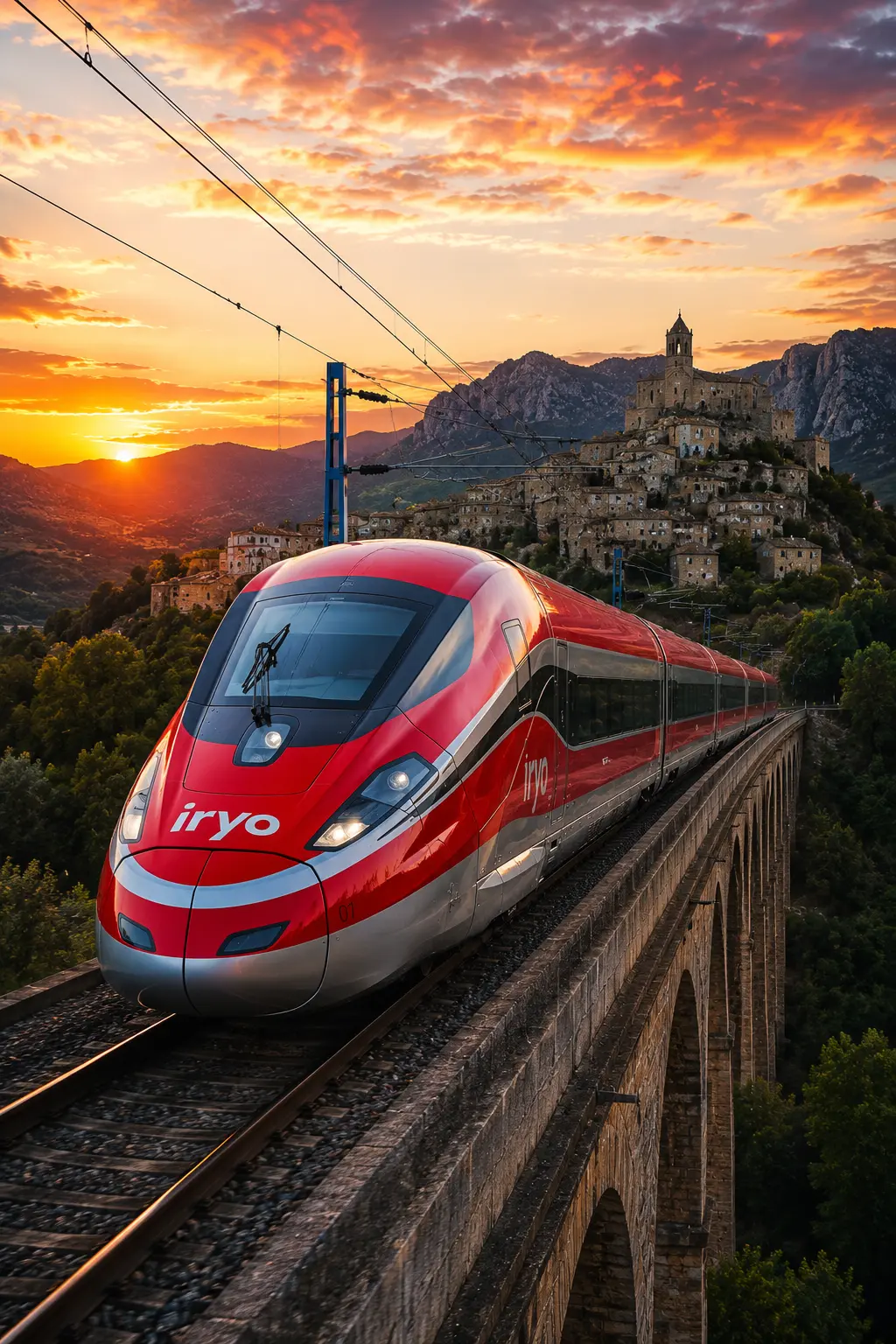
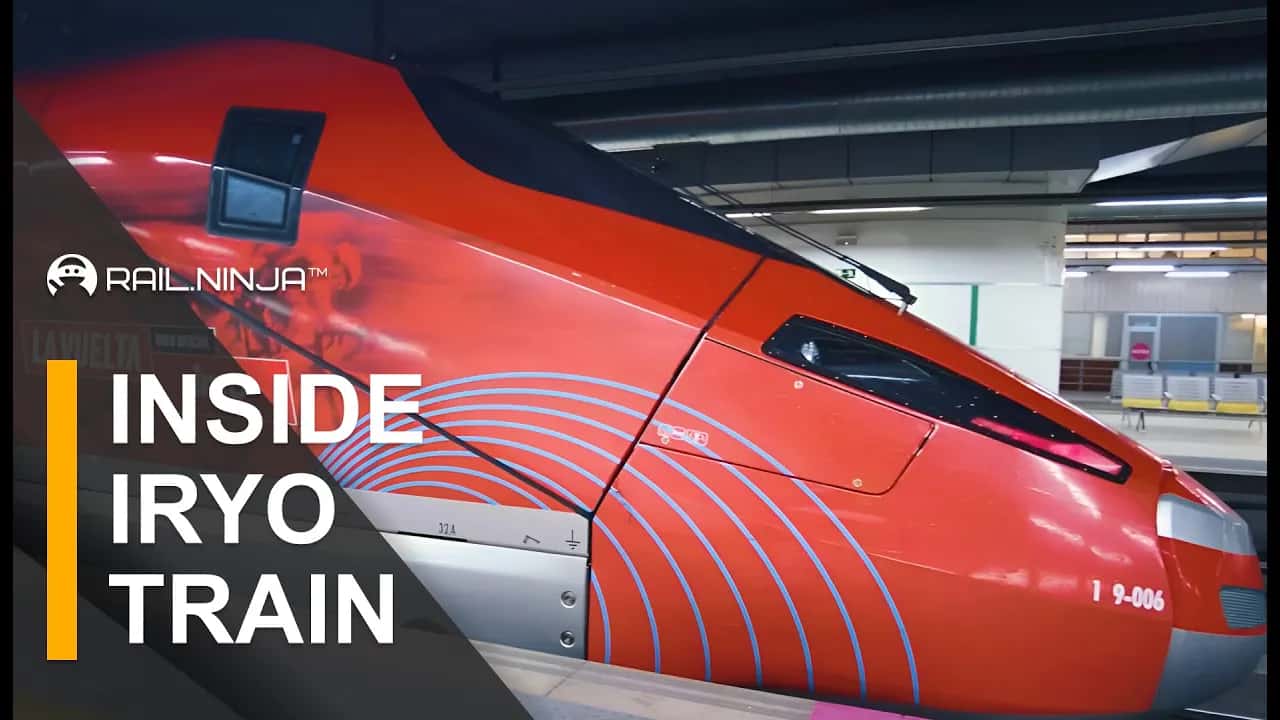
Renfe trains are the dominant operator across high speed services. Renfe runs AVE alongside Alvia trains — which combine high speed and conventional tracks — and Euromed trains along the Mediterranean corridor between Barcelona, Valencia, and Alicante. Iryo trains are a private high speed operator connecting Madrid with Barcelona, Valencia, and other major cities. Iryo offers a modern fleet and frequent departures on the core high speed network. Avlo trains are Renfe's budget-friendly high speed option. Speeds and ride quality match the standard AVE service, though some extras require you to pay extra. Avlo trains operate on selected high speed lines and are ideal for flexible travelers. AV City services cover shorter high speed journeys within the same region — for example, connecting Madrid with Ciudad Real. These trains fill the gap between long-distance AVE services and slower regional trains, offering fast connections across the av city network. The Alicante Madrid corridor is one of Spain's most traveled high speed routes. The journey time is approximately two hours, cutting through the Valencian Community. Trains run throughout the day with multiple departure times to choose from.
Here's a few useful tips for train travel in Spain
- Seat reservation is required on all high speed trains — your assigned seat is included in the ticket.
- Free WiFi is available on most AVE trains; check availability on regional trains and medium distance services.
- Spanish stations are well-connected to the city centre by metro and bus.
- San Sebastián and other cities in the Basque Country are served by a mix of high speed and conventional trains.
- International journeys via the French border connecting to TGV Inoui trains may require additional check-in time at the departure station.
- Luggage is allowed on all trains running in Spain; store larger bags in designated areas.
Popular questions
The AVE high speed train is the fastest train in Spain, reaching a maximum speed of 310 km h on dedicated high speed rail lines. In practice, average operating speeds depend on the route — the Seville Madrid corridor, the first high speed service in Spain, and the Barcelona Madrid route are among the fastest train travel options available, completing in around two and a half to three hours.
Spain operates several distinct train types across its high speed trains network. AVE trains are the flagship high speed service running exclusively on high speed lines. Avlo trains are an AVE variant offering comparable speeds on popular routes. AV City trains serve shorter high speed corridors with more frequent stops. Alvia trains use both high speed and conventional tracks, extending fast rail to cities not yet on the full network. Iryo trains are a private operator running on the main high speed corridors. Euromed trains connect Barcelona with Valencia and Alicante along the Mediterranean corridor at high speed. Regional trains and medium distance services cover the rest of the network on conventional tracks. All train types are searchable on Highspeedtrains.com.
The high speed trains network radiates primarily from Madrid, connecting it to Barcelona, Seville, Málaga, Valencia, Alicante, Zaragoza, Valladolid, Santiago de Compostela, and Bilbao, among others. The Alicante Madrid corridor is one of the most traveled popular routes on the network. Barcelona Sants station is the main hub in Catalonia, while Madrid's Atocha station is the key arrival station for trains coming from the south and east. Ongoing expansions include the Mediterranean Corridor and new lines toward the French border for connections to French trains and TGV Inoui services.
Yes — seat reservation is mandatory on all AVE, Avlo, Iryo, and Alvia trains. Your seat is assigned at booking and is included in the Spain train tickets price. On AVE high speed train service, your reserved seat comes with access to free WiFi, power sockets, and onboard catering in both Turista and Preferente classes. First class reservations on Preferente offer wider seats, enhanced meals, and additional comfort. You can select your preferred seat when booking through Highspeedtrains.com or the mobile app.
Spanish trains connect to French trains, including TGV Inoui trains, at stations near the French border. The main departure station for cross-border services is Barcelona Sants — one of the key Spanish stations for international travel — from which trains travel through the Pyrenees into France toward Paris and other destinations. Journey time from Barcelona to Paris by high speed rail is approximately six and a half hours. Seat reservation is required, and Spain train tickets for international routes can be booked in advance through Highspeedtrains.com.
Train travel journey times vary by route and train type. The Barcelona Madrid fastest journey takes around three hours and two minutes by AVE high speed train. The Seville Madrid corridor takes approximately two and a half hours on the first high speed line built in Spain. Alicante Madrid journey time is roughly two hours. Barcelona to Málaga takes just under seven hours, as it requires a change in Madrid. AV City and regional trains have longer journey times depending on the route and number of stops.