
Everything You Need to Know About Train Travel in Morocco
Morocco train travel offers some of the most exciting and modern rail experiences in Africa and the Arab world — a favorite means of getting around this beautiful country for visitors and locals alike. From the record-breaking high speed of the Al Boraq high-speed train connecting Tangier to Casablanca in just over two hours, to the classic Al Atlas intercity trains threading through the imperial cities of Fes, Meknes, Marrakech, and Rabat, train travel in Morocco covers the full breadth of this extraordinary North African country. The ONCF rail network — Morocco's national passenger train service — connects the Atlantic coast, the imperial cities, and the eastern frontier, making intercity rail travel fast, comfortable, and affordable for millions of passengers every year. Whether you're booking train tickets for the iconic Al Boraq bullet train, riding a night train from Casablanca to Oujda through the Middle Atlas, or exploring the medinas and souks of Morocco's ancient cities by rail, Morocco train journeys offer experiences as diverse and breathtaking as the country itself. Morocco trains connect the country from north to south and east to west — from the port of Tangier on the Mediterranean coast to the red-walled city of Marrakech, across landscapes of Atlantic coastline, fertile plains, mountain corridors, and desert gateways, beginning at some of the most storied stations on the African continent. For anyone planning a Morocco train trip, the range of train routes, travel classes, and on-board experiences makes rail travel the most rewarding and sustainable way to explore this remarkable country — and to reach tourist destinations that Morocco offers in abundance.
On Board Morocco Trains
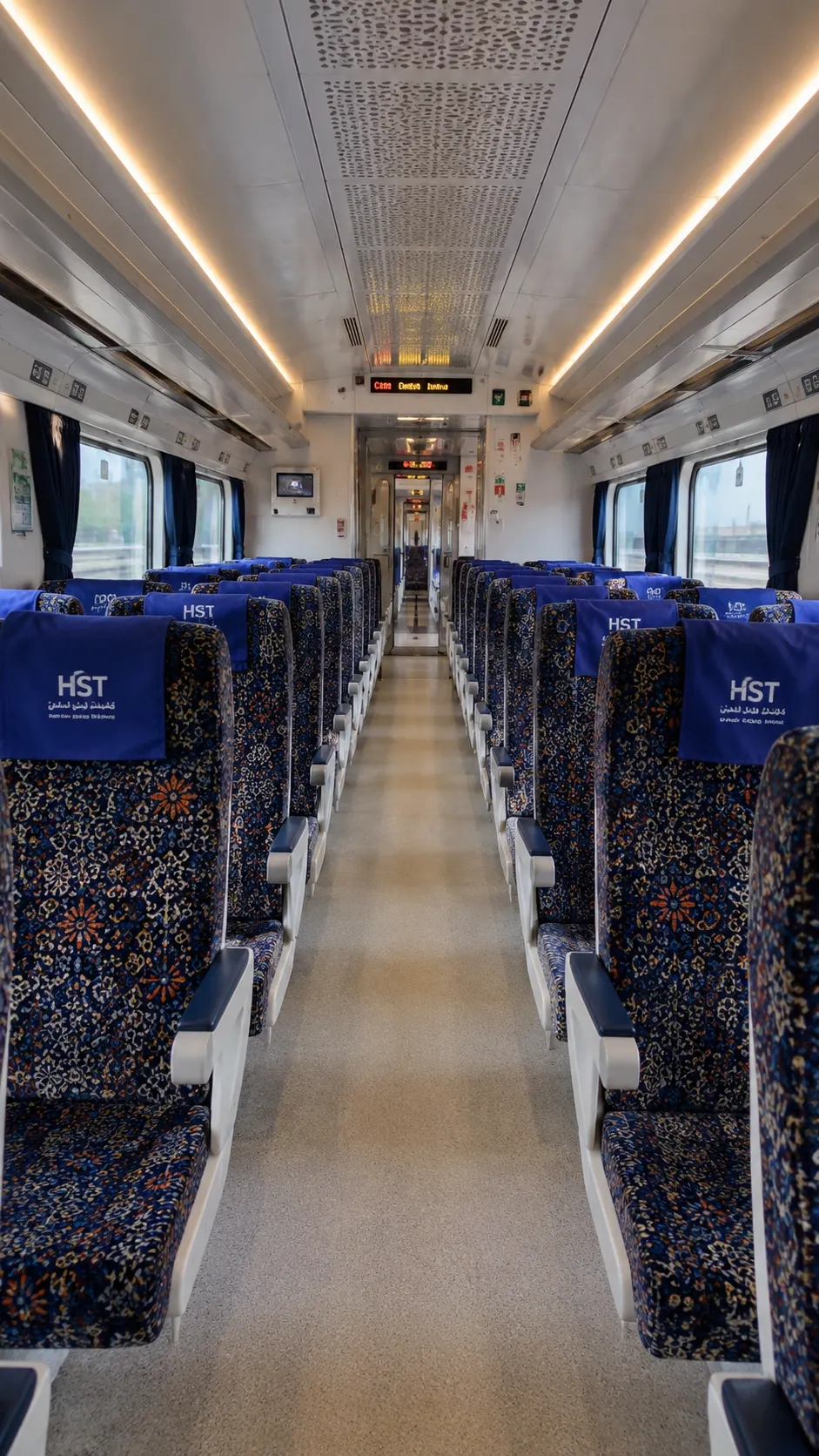
Morocco trains are comfortable, air-conditioned, and well equipped for every type of traveler. ONCF offers two main travel classes on its trains — first class and second class — available on both Al Boraq high-speed services and conventional Al Atlas intercity trains, with class seats to suit every budget. On-board amenities vary by train type and class. The Al Boraq features spacious reclining seats, power outlets at every seat, a cafe car, and large luggage racks. Conventional Al Atlas trains offer comfortable seating, toilets, and good legroom, with first class providing a quieter, more spacious experience for longer journeys, with picturesque views of Morocco's landscapes along the route. Night train services on certain long-distance routes offer couchettes and sleeper cars for overnight journeys between cities such as Casablanca and Oujda. Food service and a cafe car are available on Al Boraq services. Wi-fi connectivity is available on some routes — a Moroccan SIM with data is recommended as a backup for reliable connectivity.
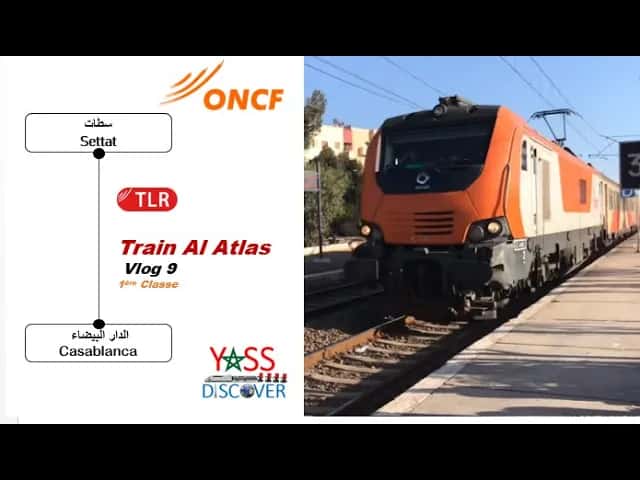
Morocco's national passenger train service is operated by ONCF trains — the Office National des Chemins de Fer — a state-owned company and the backbone of intercity rail travel across the country since 1963. ONCF operates a network of approximately 2,200 kilometres of track, with its rail connecting Morocco's major cities along two main corridors: the north–south Atlantic axis from Tangier through Kenitra, Rabat, and Casablanca to Marrakech, and the east–west line from Casablanca through Fes, Meknes, and Oujda near the Algerian border — eventually reaching Sidi Kacem and the eastern frontier. The ONCF network is distinct from local transit and freight services — it is dedicated to intercity passenger rail travel across Morocco's most important cities and regions, and continues to operate new line extensions to reach more destinations. Morocco's rail network is the most extensive in North Africa, and ONCF continues to invest in modernisation with upgraded rolling stock, digital ticketing, renovated stations, and plans to extend the high-speed rail line south to Marrakech and Agadir in time for the 2030 FIFA World Cup.
Popular questions
Morocco train services are operated primarily by ONCF — the Office National des Chemins de Fer — the state-owned company providing national passenger rail service across the country.ONCF operates two main train types: the Al Boraq high-speed train on the Tangier–Casablanca corridor, and the Al Atlas conventional intercity trains connecting Marrakech, Fes, Meknes, Oujda, Rabat, and other cities across this beautiful country.Train tickets for both services can be booked online or at any station ticket counter.
Morocco train tickets can be booked at HST making it easy to book tickets and purchase in advance from anywhere in the world. This website offers e-tickets — no printing required — and allows bookings up to six months before the travel date.Note that some foreign credit cards (particularly North American and British cards) can encounter issues payment gateway. If your card is declined, try a third-party booking platform or purchase tickets directly at any station counter — just bring your passport. Book early for Al Boraq departures — the 7:00 AM and 5:00 PM services fill up fastest, and advance booking can save up to 30% compared to walk-up fares.
Yes — booking in advance is strongly recommended for most Morocco train journeys, especially the Al Boraq high-speed service. ONCF uses dynamic pricing: the earlier you book, the lower the fare. A first class ticket from Casablanca to Marrakech booked two weeks in advance costs roughly MAD 190 ($19), rising to MAD 280 ($28) on the day of travel. On Al Atlas conventional trains, second class carriages on popular routes such as Casablanca–Kenitra can be overbooked during peak hours — advance booking guarantees your assigned seat. Book especially early during festival months (May to July) and peak season when demand across the network is highest.
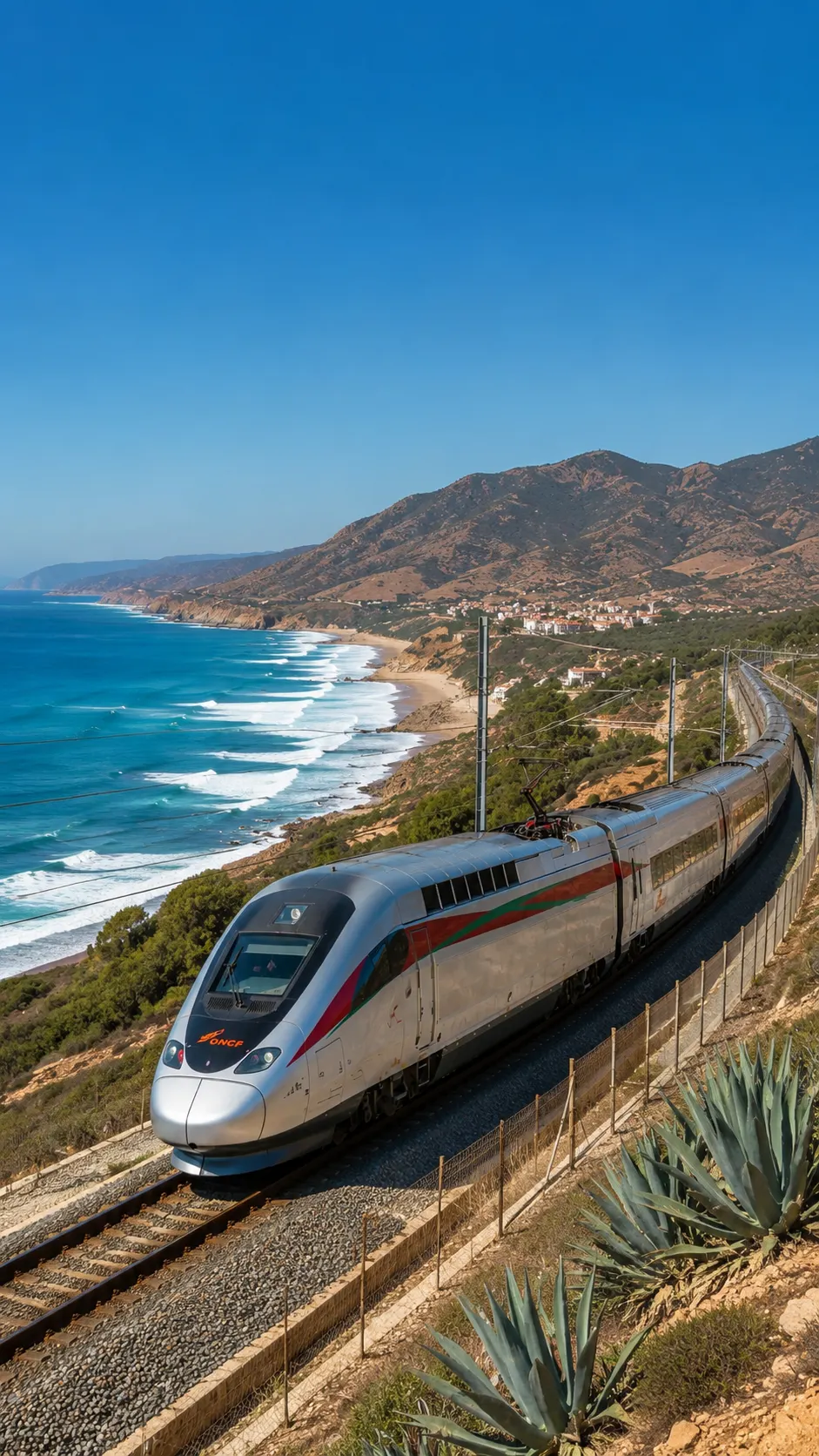
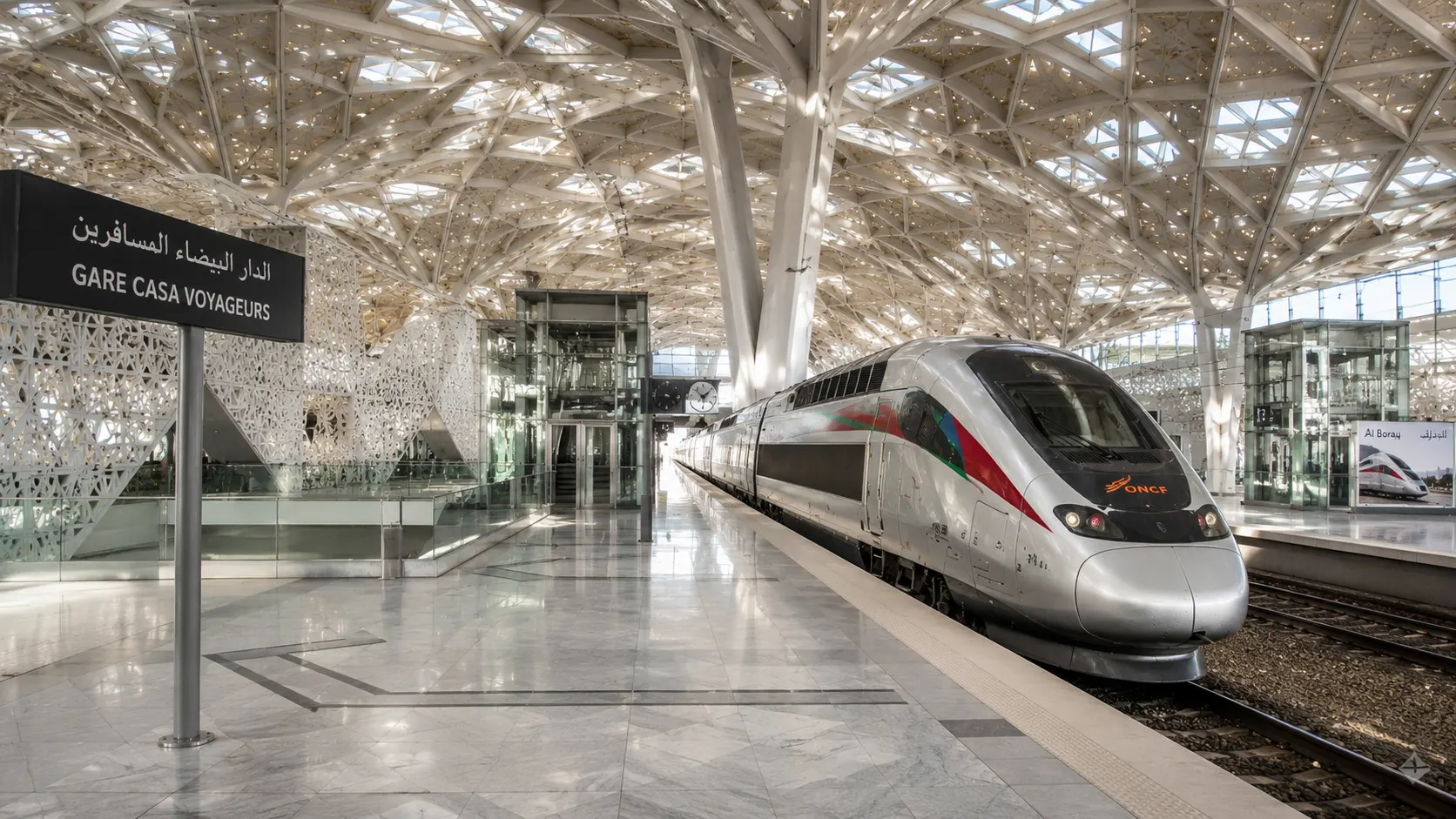
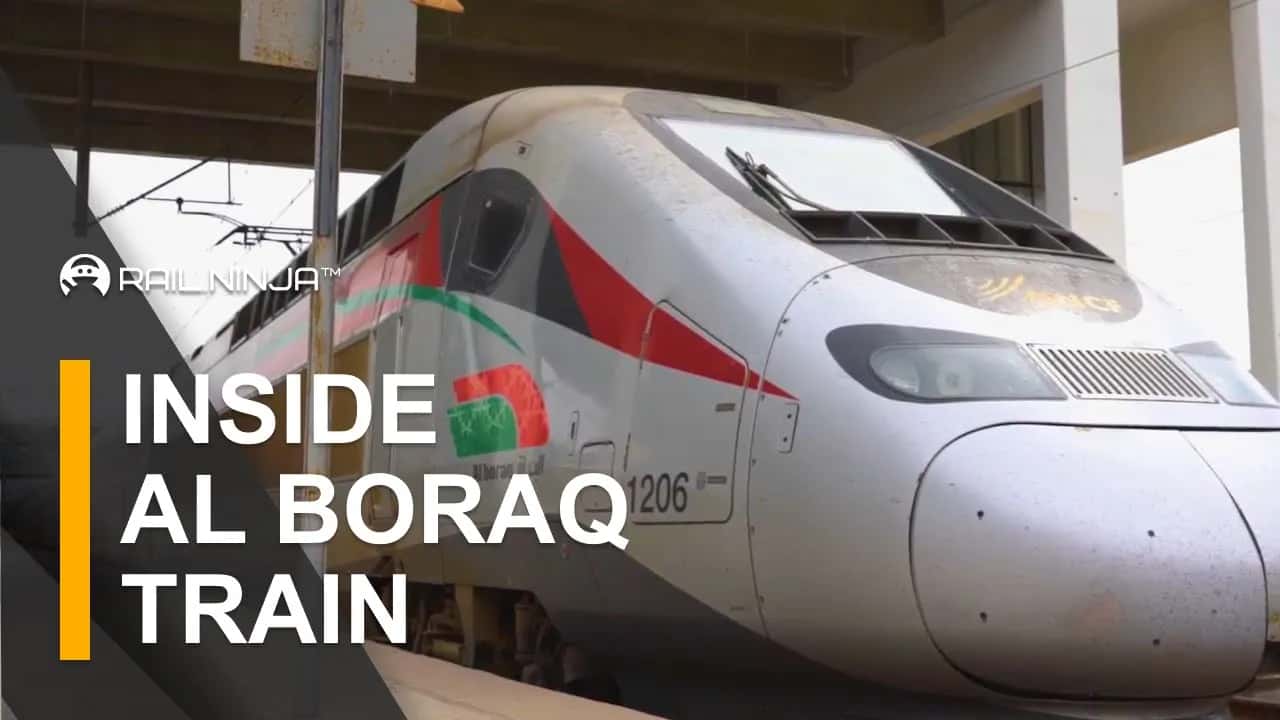
The Al Boraq is Africa's first and only high-speed train — the fastest train on the African continent — a landmark achievement in African rail travel that connects Tangier to Casablanca at speeds of up to 320 km/h in just 2 hours and 10 minutes, with travel times dramatically shorter than any other mode of transport on this route. Launched on 15 November 2018 by King Mohammed VI, Al Boraq takes its name from the mythical winged steed of Islamic tradition. Built using French Alstom TGV Duplex technology, the same double-decker trains used across France, Al Boraq reduced the Tangier–Casablanca journey from nearly five hours to just over two — making it a genuine high speed rail achievement. The route runs via Kenitra, Rabat Agdal, and Rabat Ville before terminating at Casa Voyageurs station in Casablanca, with trains running hourly from 6:00 AM to 9:00 PM along this high speed rail line. On board, passengers enjoy air conditioning, spacious reclining seats with power outlets, a cafe car, and large luggage racks. First class offers a 1-2 seat layout with wider seats and a quieter atmosphere; second class uses a 2-2 configuration.
Al Atlas trains are ONCF's conventional intercity trains — the workhorses of the Moroccan rail network, connecting the cities and regions that the Al Boraq high speed line has not yet reached. Al Atlas trains serve routes including Casablanca–Marrakech, Casablanca–Fes, Fes–Meknes, and the long-distance Casablanca–Oujda corridor. Journey times are longer than the Al Boraq but fares are very affordable, and the scenery along many routes — particularly through the Taza Gap between the Rif Mountains and the Middle Atlas — is spectacular, with picturesque views that speak to the variety and beauty visiting Morocco has to offer. Both first class and second class are available on Al Atlas trains. First class provides wider seats, a quieter atmosphere, and assigned seating in six-person compartments on older rolling stock. Second class is comfortable and well priced, ideal for shorter journeys or budget-conscious travelers. Night train services on selected Al Atlas routes offer couchettes and sleeper cars for overnight journeys, making long-distance travel such as Casablanca to Oujda comfortable and time-efficient.
ONCF trains offer two travel classes on all routes: first class and second class. First class is ideal for longer journeys, offering wider seats, guaranteed assigned seating, a quieter atmosphere, and more personal space. On the Al Boraq, first class tickets start from around MAD 243 ($24) for the Tangier–Casablanca route. On conventional Al Atlas trains, first class is typically 50% more expensive than second class and well worth the upgrade on journeys over three hours. Second class is excellent value — comfortable reclining seats, sufficient legroom, and assigned seating when booked in advance. Second class tickets start from as little as MAD 30 for short routes such as Fes to Meknes, and from MAD 149 for the Al Boraq Tangier–Casablanca service. ONCF also offers discounted fares for children and senior citizens. Purchasing tickets in advance guarantees the lowest available fares for both classes.
The Casablanca–Rabat corridor is ONCF's busiest and most frequent rail service — running every 30 minutes throughout the day with over 30 daily departures in each direction, connecting two of Morocco's major cities reliably and affordably. The journey takes approximately 45 minutes and connects Morocco's economic capital (Casablanca) with its political capital (Rabat), making this one of the most-used commuter and intercity rail routes in North Africa. Second class is excellent value on this short hop, and tickets can be purchased at the station counter without advance booking on most departures.
The Casablanca–Marrakech train is one of ONCF's most popular intercity routes, with over 10 daily departures connecting Morocco's economic capital to the famous Red City of Marrakech in approximately 2 hours and 40 minutes. The route passes through the Settat plain and the foothills of the High Atlas Mountains, offering picturesque views of Morocco's agricultural heartland before arriving at Marrakech railway station — just a short taxi or bus ride from the famous Djemaa el-Fna square and the historic medina, one of the most beloved tourist destinations in the country. Second class tickets from Casablanca to Marrakech start from around MAD 100 ($10), making this one of the most affordable ways to travel between Morocco's two most visited cities.
Morocco trains provide direct access to all of the country's major cities and most important tourist destinations — making train in Morocco the most convenient way to explore.
Casablanca — Morocco's economic capital and the main hub of the ONCF rail network. Casa Voyageurs is the central interchange station for connections to all destinations including the Al Boraq.
Rabat — Morocco's political capital and a UNESCO World Heritage city. Served by the Casablanca–Rabat shuttle every 30 minutes and by Al Boraq services from Tangier, arriving at Rabat Agdal and Rabat Ville stations.
Fes — The spiritual and cultural capital of Morocco, home to the world's oldest university and one of the best-preserved medieval medinas on earth. Reached by Al Atlas trains from Casablanca in approximately 3 hours 45 minutes.
Meknes — One of Morocco's four imperial cities, just 45 minutes from Fes by train and a gateway to the Roman ruins of Volubilis.
Marrakech — Morocco's most visited city, the gateway to the Sahara, and the venue for multiple 2030 FIFA World Cup matches. Served by Al Atlas trains from Casablanca and Tangier.
Tangier — The northern gateway to Morocco and the starting point for Al Boraq high-speed services south to Casablanca and Rabat.
Oujda — Morocco's eastern gateway near the Algerian border, reached by overnight night train from Casablanca.
Yes — ONCF operates Supratours, a partner bus service that extends connectivity to destinations the rail network does not yet reach, with buses departing directly from the train station.
Supratours buses connect from the nearest train station to popular tourist destinations including Agadir, Essaouira, Chefchaouen, Ouarzazate, and Sahara gateway towns such as Merzouga and Zagora — ensuring Morocco offers seamless rail-to-road connections for travelers across the country.
Tickets for Supratours buses can be booked in conjunction with ONCF train tickets at oncf.ma, ensuring seamless connections from the train station to your final destination.
ONCF allows passengers to bring luggage aboard at no extra charge, stored in the overhead racks or in the dedicated luggage areas at the end of each carriage.
On Al Boraq services, large luggage racks are located at the end of each car — arrive at the platform 15 to 20 minutes before departure to secure space, as these fill up quickly on busy departures.
On conventional Al Atlas trains, luggage is stored in overhead racks or in the space beside your seat. There is limited storage for very large bags on some older rolling stock.
ONCF does not offer a checked baggage service — all luggage travels with you in the carriage.
All ONCF trains are air-conditioned and equipped with toilets. Accessibility facilities are available at major stations including Casa Voyageurs, Rabat Ville, and Tangier Ville.