
Everything You Need to Know About Hungarian Train Travel
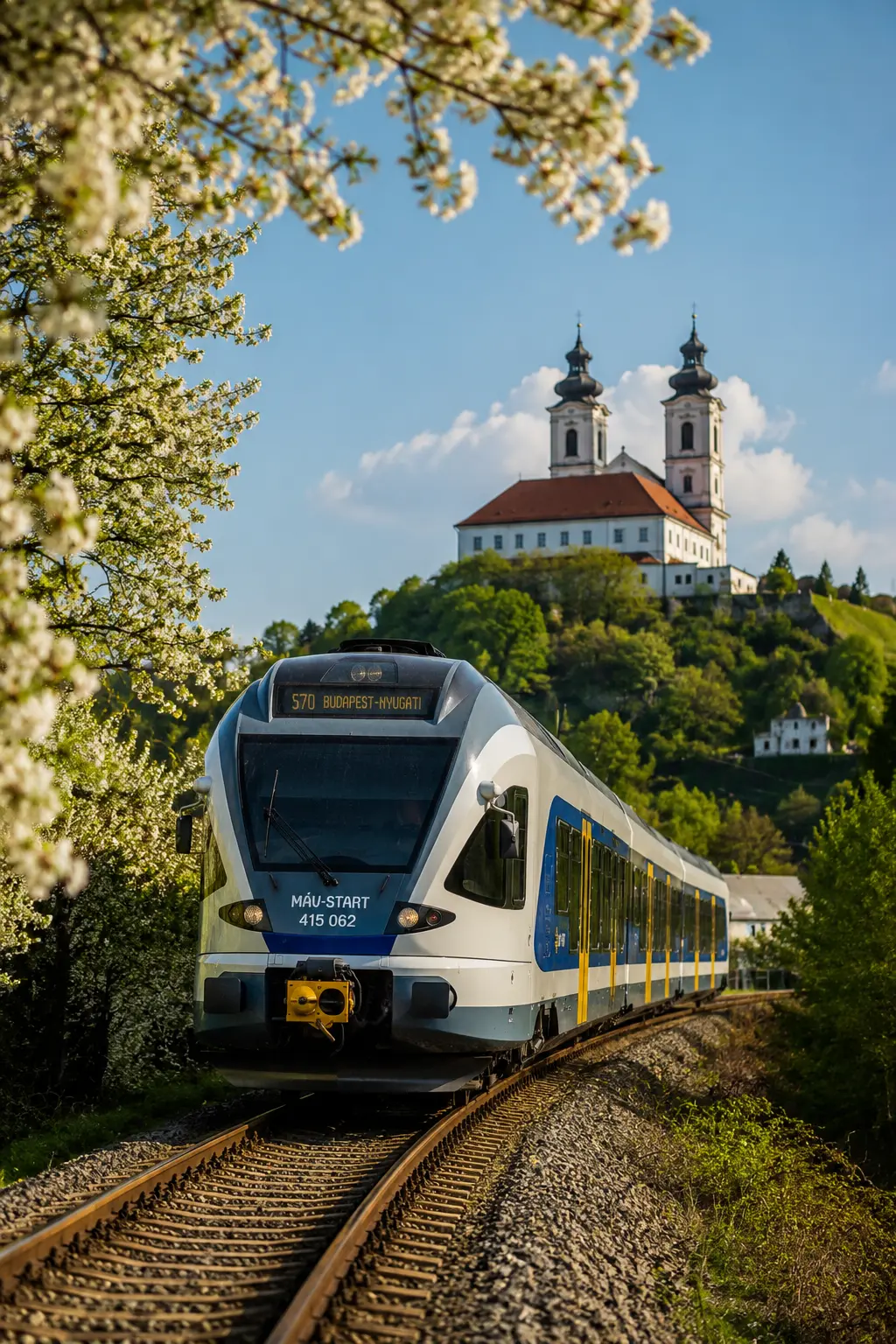
Hungary trains are one of the best ways to explore this fascinating Central European country — connecting Budapest with regional cities, crossing into neighbouring countries, and threading through a landscape of rolling plains, river valleys, and historic towns. Whether you're booking a train from Budapest to Vienna, travelling north to Prague, heading south toward Serbia, or planning a trip through Hungarian destinations beyond the capital, trains in Hungary offer a reliable and comfortable way to move through the region. Hungarian trains serve both domestic and international routes, with modern rolling stock, comfortable seats, and a booking system accessible in English through HighSpeedTrains.
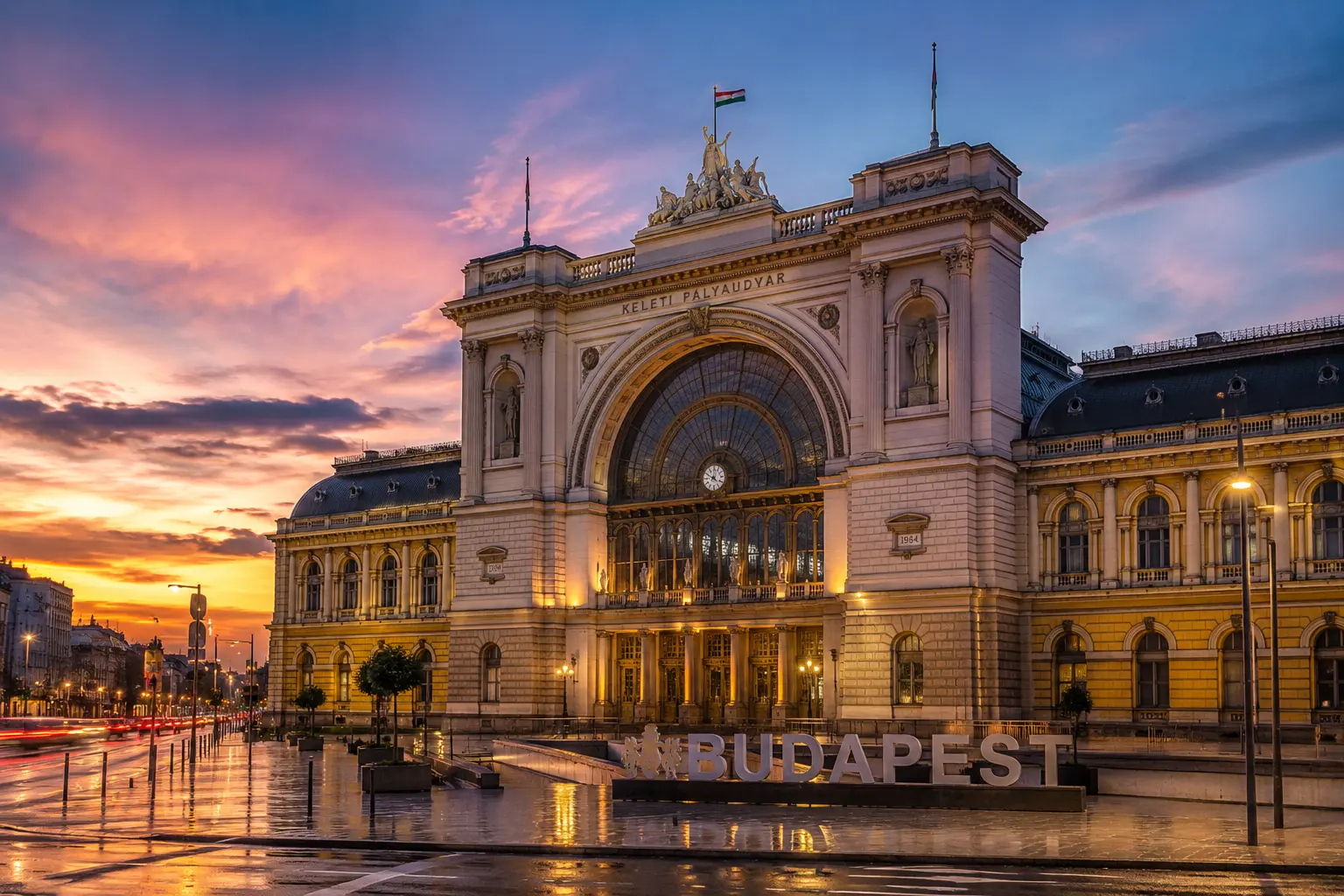
The railway network radiates from Budapest, with long distance and international trains departing from Keleti — the city's main and most historic station — as well as from Nyugati and Déli. Hungarian railways are operated primarily by MÁV — Magyar Államvasutak — whose passenger services cover the entire country and extend into neighbouring countries including Austria, Germany, Serbia, Slovakia, Switzerland, and the Czech Republic. The most important services are the long distance trains connecting the capital with major cities and the international Railjet and EuroCity trains linking Budapest with Vienna, Prague, and beyond.
Hungary trains also include regional trains serving smaller towns and local destinations across all parts of the country, as well as cross-border passenger services connecting the Hungarian section of major international corridors with Serbia, Romania, Croatia, and Slovenia.
Hungarian Railways — Long Distance & International Train Tickets
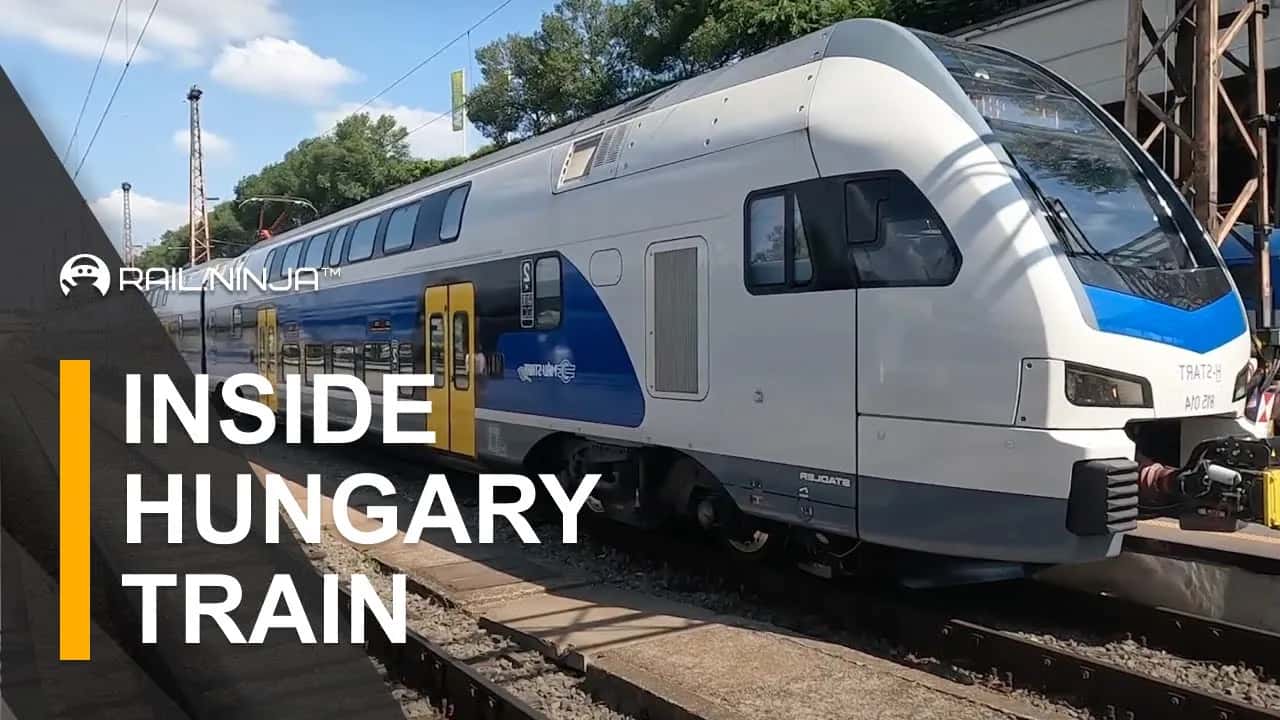
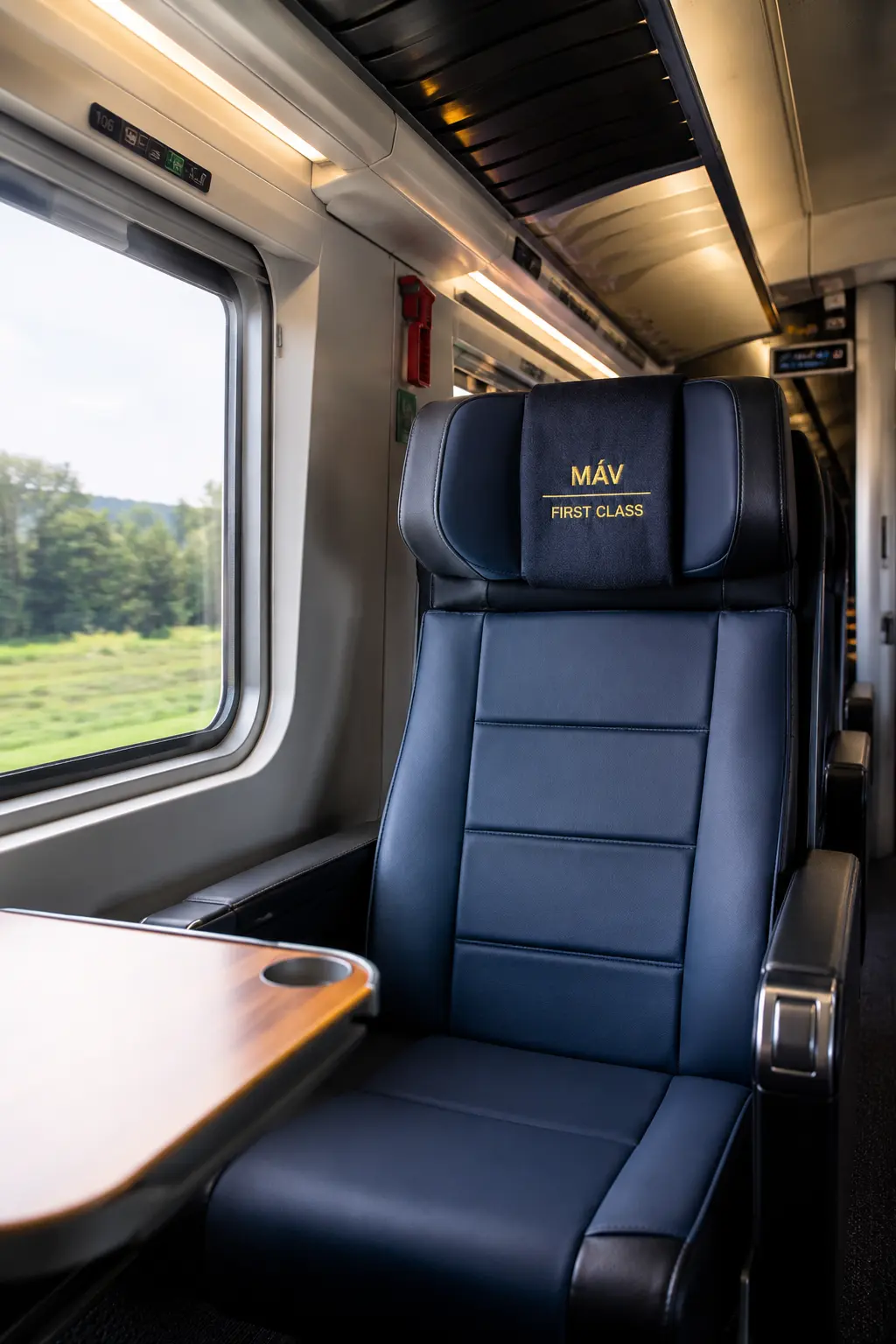
Long distance services connect Budapest with Debrecen, Pécs, Győr, Miskolc, and other major cities at speeds of up to 160 km/h on the main corridors. These trains are modern, comfortable, and equipped with a restaurant car on most routes, along with air conditioning, free Wi-Fi on newer rolling stock, and power sockets at many seats. Seat reservations are compulsory on all long distance services — passengers cannot board without a reserved seat — and should be made well in advance, particularly during peak travel periods when trains fill up quickly.
International routes are a major part of Hungary's rail offering, given Budapest's central position in Europe. The most significant infrastructure project currently underway is the Budapest Belgrade railway — a high speed line valued at approximately $2.89 billion and stretching 350 km. The line is largely financed by Chinese state funding, with Chinese companies contracted for construction, track, locomotives, and technical equipment under an agreement between the Hungarian government and China as part of Beijing's Belt and Road Initiative. The Hungarian section, from Budapest to the Serbian border crossing, is under active construction and expected to be completed in the coming years — with June being one of the key project milestone dates cited by the government. The Serbian section, including the stretch through Novi Sad, has already been completed and opened to passenger services, with two services now running daily between Belgrade and Novi Sad at speeds previously impossible on that corridor.
Popular routes include Budapest to Vienna, Vienna to Budapest, Budapest to Prague, Prague to Budapest, Budapest to Bratislava, and Bratislava to Budapest. Book all international train tickets through HighSpeedTrains.
The Budapest Belgrade High Speed Line — Hungarian Section & Serbian Section
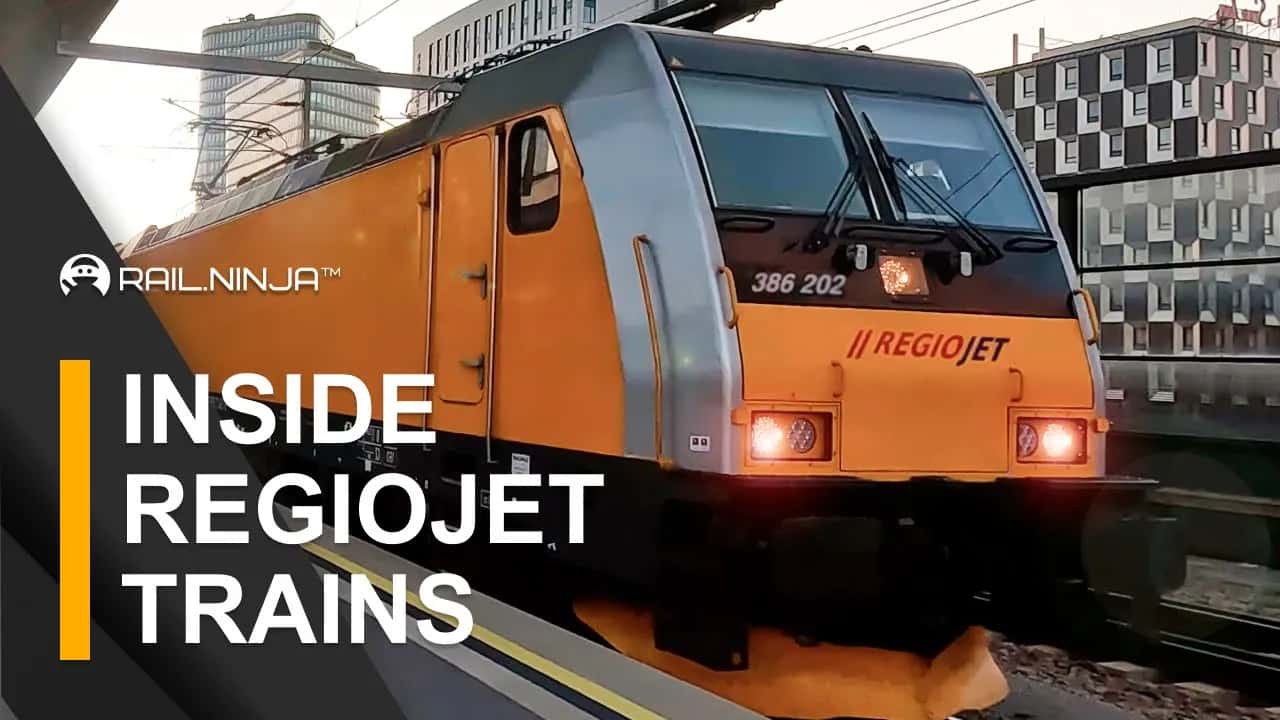
The Budapest Belgrade railway is one of the most closely watched rail construction projects in Europe. The line forms part of a planned international corridor linking Budapest through Belgrade, Skopje, and onward to Athens — a flagship China-CEEC project under Beijing's Belt and Road Initiative, aimed at expanding Chinese influence and trade connectivity across Central and Southeast Europe. The Hungarian government signed the agreement with China to proceed with construction, with Chinese companies responsible for delivering the locomotives, track, and technical systems required for high speed operation.
The maximum speed on the completed line is designed to reach 200 km/h, dramatically cutting travel time between the two capitals compared to current services. The Serbian section — from Belgrade to Novi Sad — was completed and opened to passenger traffic, with construction on this part of the corridor finished ahead of the Hungarian part. The Hungarian section remains under active construction, with the government and project partners working toward completion of the full corridor. Once the line is fully open, the point-to-point journey between Budapest and Belgrade is expected to fall to under three hours, transforming passenger traffic flows and cross-border connections in the region.
Regional trains serve the wider Hungarian railway network beyond the main corridors, connecting smaller cities, towns, and villages across the country. These services are well integrated with long distance trains at major stations, making it straightforward to combine long distance and local travel in a single trip through HighSpeedTrains.
Popular questions
Hungarian trains fall into several categories. Long distance trains are the fastest domestic passenger services, connecting major cities at up to 160 km/h with seat reservations compulsory on board. International trains — including Railjet services to Vienna and EuroCity trains to Prague — link Hungary with neighbouring countries across Central Europe. Regional trains serve smaller towns and local destinations across the railway network. Overnight trains provide sleeper and couchette options on longer international routes. All train types can be searched and booked through HighSpeedTrains.
The easiest way to purchase train tickets for Hungary is to book online in advance through HighSpeedTrains. You'll receive an instant e-ticket, select your preferred seat, and avoid queuing at the station. Booking in advance is particularly important on long distance trains and popular international routes where seat reservations fill up quickly. Train tickets are also available at station counters and ticket machines, but booking online gives you the widest choice of departure times and travel classes for your trip.
Seat reservations are compulsory on all long distance trains in Hungary — passengers cannot board without a reserved seat. On international services including Railjet trains to Vienna and EuroCity trains to Prague, reservations are strongly recommended even where not strictly compulsory, as popular departures fill up well ahead of travel. Regional trains do not require seat reservations, and passengers may sit in any available seat. When you book train tickets through HighSpeedTrains, reservations are included automatically for all services that require them.
The Budapest Belgrade railway is a major high speed rail construction project connecting Hungary with Serbia via the border crossing south of Budapest. Largely financed by Chinese state funding, the project involves Chinese companies delivering track, locomotives, and technical systems under an agreement between the Hungarian government and China. The Serbian section — from Belgrade to Novi Sad — has been completed and opened to passenger traffic. The Hungarian section remains under construction and is expected to be completed in the coming years, at which point the full corridor will carry passenger services at a maximum speed of 200 km/h and cut travel time between the two capitals significantly.
Yes — Hungary is well connected internationally by rail, thanks to its central position in Europe. International trains serve Vienna in Austria, Prague in the Czech Republic, Bratislava in Slovakia, Belgrade in Serbia, Bucharest in Romania, Zagreb in Croatia, and Munich in Germany. Seat reservations on international services are strongly recommended and can be added at the time of booking. All international routes from Hungary can be searched and booked through HighSpeedTrains.
Free Wi-Fi is available on newer long distance trains and some international services across the Hungarian railway network. Older rolling stock on regional trains and some domestic services may not offer Wi-Fi or power sockets, depending on the train type assigned to the journey. International Railjet services on the Budapest to Vienna corridor are fully equipped with free Wi-Fi and power sockets at every seat.
The city has three main railway stations serving different parts of the network. Keleti is the largest and most important, handling the majority of long distance and international trains including services to Vienna, Prague, and Belgrade. Nyugati serves northern and eastern Hungary as well as some international connections. Déli handles services to the south and west of the country including some regional lines. All three stations are well connected to the metro network, making onward travel within the city straightforward on arrival.
Hungary trains connect the capital with major European cities in competitive journey times. Vienna is reached in around 2 hours 40 minutes on direct services. Prague takes approximately 6 hours 50 minutes via Bratislava. Belgrade takes around 8 hours on current services — a travel time expected to fall significantly once the Budapest Belgrade high speed line is completed. Munich is around 7 hours by direct train. All these connections can be searched, compared, and booked through HighSpeedTrains.
Yes — overnight trains serve the capital on select international routes, offering a comfortable alternative to flying for longer European journeys. Nightjet services connect Hungary with Vienna, Germany, and Switzerland, with couchette compartments and reclining seat options available on board. Cabin reservations are compulsory and should be booked well in advance, particularly during peak travel periods when accommodation fills up quickly.
Train tickets for Hungary are available well in advance of the departure date, and booking early gives you the widest choice of seat reservations and departure times. This is especially important on popular international routes where seats on preferred departures fill up ahead of travel. For overnight trains, advance booking is essential as accommodation is limited. Book your Hungary trains through HighSpeedTrains for an instant e-ticket and full seat selection at the time of purchase.
Yes — a Eurail pass is valid on most passenger services across the Hungarian railway network, including long distance trains and international services. Seat reservations on long distance trains are still compulsory even with a rail pass and must be purchased separately. The Eurail pass can offer good value if you're combining Hungarian rail travel with journeys to neighbouring countries including Austria, Germany, the Czech Republic, and Serbia.