
Marrakesh to Tangier Trains
Marrakesh to Tangier Trains
Planning a trip between two cities as different as Marrakesh and Tangier, and trying to find the best way to link them for your next trip? ONCF operates direct trains covering the roughly 580 km distance in as little as 4 hours 20 minutes, including Al Boraq high-speed service connecting through Kenitra and a stop in Fez along certain routes, with tickets typically ranging from €15 to €45 depending on class and how far in advance you book. Ryanair also flies this route, offering 4 nonstop flights weekly out of Marrakech, with the shortest flight time at 1 hour 15 minutes and direct flights available on Tuesday, Wednesday, Friday, and Saturday; the cheapest one-way flight recently found was €17, and January is typically the cheapest month to fly, making it an affordable choice for travelers who'd rather not track train schedules. For comparison, driving takes around 6 to 7 hours by car, and buses cover the route in roughly 8 to 9 hours at a lower price than the train, with every day departures from most operators giving plenty of flexibility whether you're travelling midweek or over a weekend.
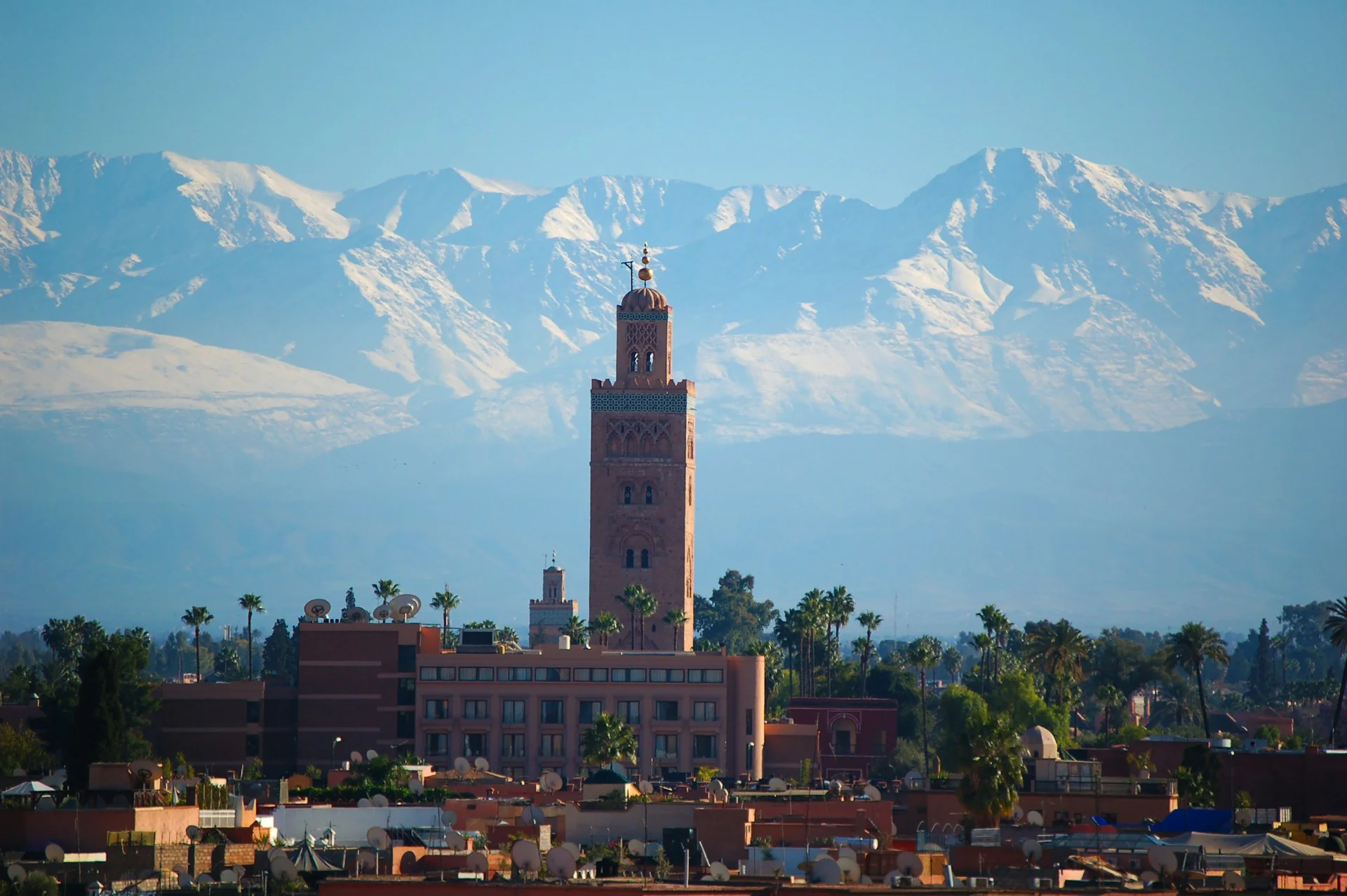
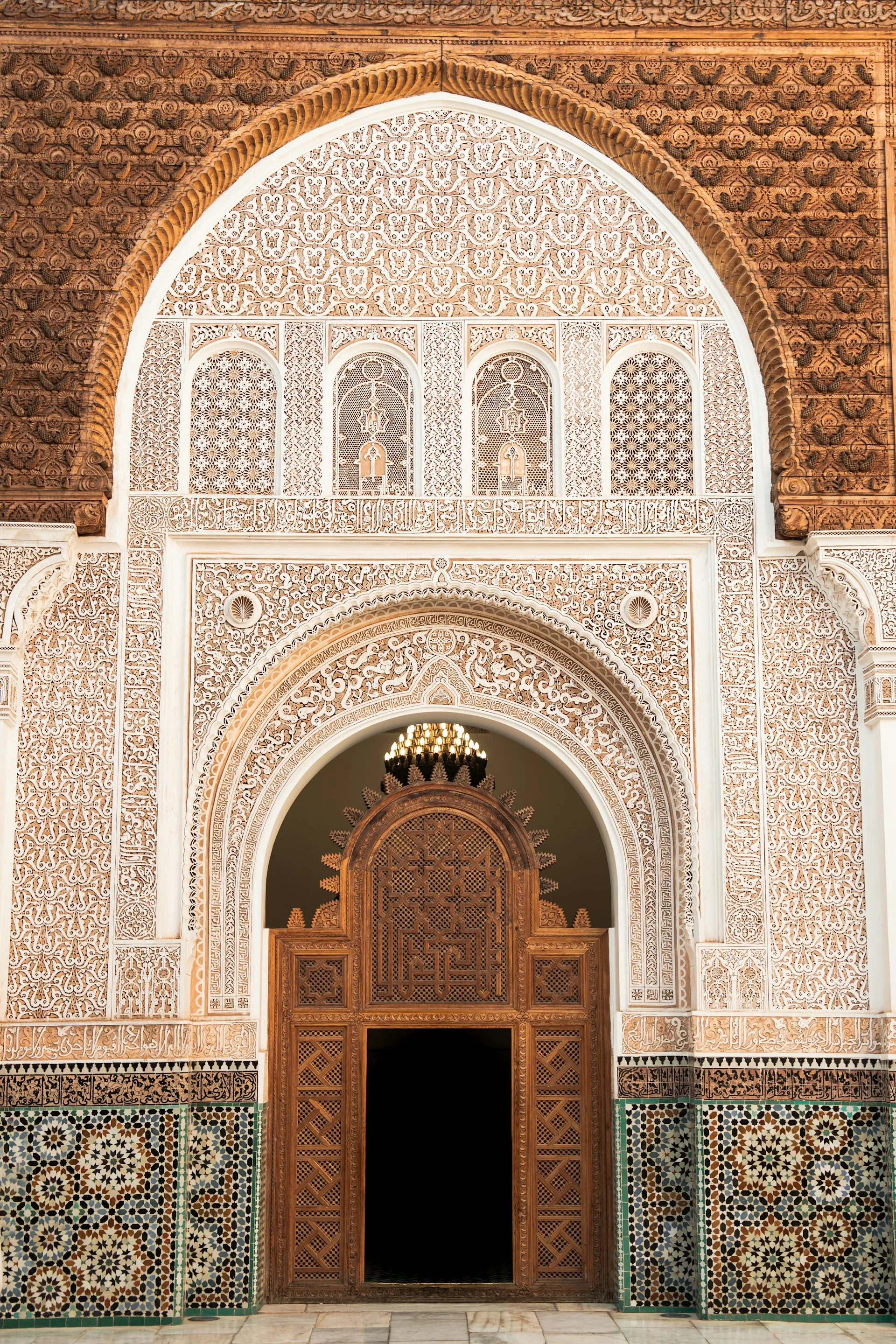
Marrakesh, often called the ochre-colored city, welcomes around 3 million tourists each year and is known for its bustling markets, the labyrinth of narrow alleyways dividing its artisan quarters, and landmarks like the Bahia Palace, with its intricate tilework and peaceful courtyards, and the Ben Youssef Madrasa, known for geometric wood carvings and reflective courtyards — the medina itself is a UNESCO World Heritage Site, and Jemaa el-Fnaa Square transforms into an open-air food market at night.

The distance from Marrakesh to Tangier by train is approximately 570 kilometres (around 354 miles), traversing the length of Morocco's most populated and historically significant corridor and connecting the country's most visited imperial city with its northern gateway to Europe. The train journey between the two cities passes through the heart of Morocco, linking a route that takes in some of the country's most important urban centres and landscapes along the way. Driving the same distance takes around 5 to 6 hours under normal conditions, but the combination of long distances, variable road conditions, and the considerable fatigue of navigating Moroccan highways makes the train a far more relaxed and practical proposition for most travellers. The opening of Africa's first high-speed rail line, the Al Boraq, connecting Tangier to Casablanca, has transformed travel times on the northern section of this route and brought Morocco's rail network to international attention, making the Marrakesh to Tangier journey by train a more competitive and attractive option than ever before.
The Marrakesh to Tangier train journey takes approximately 4 hours and 45 minutes to 5 hours and 30 minutes in total, depending on the connections made along the route and the specific services chosen. The journey typically requires a change of train at Casablanca, where passengers transfer from the conventional intercity service arriving from Marrakesh onto the Al Boraq high-speed train for the final leg north to Tangier. The Al Boraq, operated by ONCF, Morocco's national rail operator, is Africa's first and currently only high-speed rail service and covers the Casablanca to Tangier section in approximately 2 hours and 10 minutes at speeds of up to 320 kilometres per hour. The Marrakesh to Casablanca leg takes around 2 hours and 40 minutes on the fastest services, making the overall connection a remarkably efficient way to cross the country from south to north. Travellers should allow sufficient time at Casablanca for the connection between the two services, and checking the timetable carefully in advance is strongly recommended.
Travellers taking the Marrakesh to Tangier train depart from Marrakesh Station, which is the city's sole rail terminal and a handsome, well-maintained facility situated on the western edge of the city centre, a short distance from the famous Djemaa el-Fna square and the entrance to the medina. The station is easily reachable by taxi, city bus, and the horse-drawn calèche carriages that remain a distinctive feature of Marrakesh's urban transport landscape. Marrakesh Station is clean, well-organised, and offers a comfortable waiting environment with ticketing facilities, a café, and basic amenities. In Tangier, trains on the high-speed Al Boraq service arrive at Tanger Ville station, the city's modern and centrally located terminal, which was substantially upgraded as part of the high-speed rail project and is situated within easy reach of the medina, the port, and the main hotel districts. Tickets for the Marrakesh to Tangier train, including connections via Casablanca, can be booked in advance through Rail Ninja, with instant email confirmation and no need to collect or print at the station.
Most travellers on the Marrakesh to Tangier route will need to change trains at Casablanca, as direct through services covering the entire journey in a single train are not the standard arrangement on this corridor. The change typically takes place at Casa Voyageurs, Casablanca's main intercity rail station, where passengers arriving from Marrakesh transfer to the Al Boraq high-speed service for the onward journey to Tangier. The connection at Casablanca is generally well organised and the transfer between platforms is straightforward, though travellers carrying significant luggage should allow a comfortable amount of time between the two services rather than booking the tightest possible connection. ONCF's ticketing system allows travellers to book the full Marrakesh to Tangier journey as a combined itinerary, which simplifies the process considerably and ensures that connecting times are factored into the overall reservation. As with any journey involving a connection, checking the latest timetable information at the time of booking is always advisable, as schedules can vary seasonally.
For most travellers, the train is the most sensible and rewarding way to make the journey between Marrakesh and Tangier, offering a combination of comfort, reliability, and scenery that the bus and private car struggle to match over such a long distance. The journey passes through Casablanca and continues north through the Gharb plains and the rolling hills of northern Morocco, offering a genuine cross-section of the country's varied landscapes and a sense of the scale and diversity of the Moroccan interior that no flight could convey. Tangier itself has undergone a remarkable transformation in recent years, emerging from decades of neglect to become one of Morocco's most dynamic and culturally interesting cities, with a revitalised waterfront, a thriving arts scene, and a medina that rewards unhurried exploration. For travellers crossing from Morocco into Spain via the ferry connection from Tangier Med port, the train from Marrakesh provides a logical and enjoyable final leg of a longer journey, and the experience of arriving in Tangier by rail, with Europe visible across the Strait of Gibraltar on a clear day, is one of the more evocative moments available to any traveller in North Africa.
Yes — ONCF operates direct trains between Marrakesh and Tangier, including a connection to the Al Boraq high-speed line through Kenitra, with no need to change stations, taking as little as 4 hours 20 minutes on the fastest departures.
Yes — Ryanair flies 4 nonstop flights weekly from Marrakech to Tangier Ibn Battouta Airport, with the shortest flight time at 1 hour 15 minutes, direct flights available on Tuesday, Wednesday, Friday, and Saturday, and the cheapest one-way fare recently found at €17.
January is typically the cheapest month to fly on this route, making it a good choice for budget-conscious travelers, though prices and schedules can shift depending on demand around holidays like Christmas in Dec or spring travel in April.
Not always — buses typically undercut train fares, running the route in around 8 to 9 hours at a lower price, while Ryanair flights can occasionally beat train prices when booked early, though total door-to-door travel time for flying is often similar to the direct train once airport transfers are included.
Buses are generally the cheapest option, running the route in around 8 to 9 hours, while driving takes about 6 to 7 hours by car. Both are viable if price matters more than the train's speed and onboard comfort, and most operators run departures every day of the week.
Marrakesh's medina, a UNESCO World Heritage Site, is packed with narrow alleyways and artisan quarters, alongside the Bahia Palace, the Ben Youssef Madrasa, and Jardin Majorelle's cobalt-blue gardens; Jemaa el-Fnaa Square transforms into an open-air food market at night, drawing much of the roughly 3 million tourists who visit Marrakech each year.
Tangier's Grand Socco, Cafe Hafa's historic cliffside terrace, and the Tangier American Legation Museum are all within easy reach of the city center, with Cape Spartel — where the Atlantic Ocean meets the Mediterranean Sea — a short trip outside town.
Marrakech's hottest months reach highs of 45°C in summer, making spring or autumn more comfortable for sightseeing, while Tangier has a milder Mediterranean climate with average highs of 29°C and average rainfall of 103.5mm in January, so it's worth embracing a light jacket even in the warm season.
Marrakesh offers the classic imperial city experience with its ochre-colored architecture, souks, and desert-adjacent climate, while Tangier leans into its position between Europe and Africa, with a cooler, coastal feel and easy ferry access to Spain — both cities are easily linked by train or a quick Ryanair flight, making it simple to choose either as a base or see both on one trip.
Both work well depending on priorities — a Tangier train journey takes about 4 hours 20 minutes and lands you directly in the city center, while flying into Ibn Battouta takes just over an hour in the air, though the full journey duration stretches once airport transfers in Aug, Jan, or any busy month are added.
Yes — Tangier Ibn Battouta Airport remains the main gateway for flights arriving from Marrakech, offering a quick option for travelers who'd rather skip the longer rak-to-tanger overland journey, especially around busy travel months like Nov or Aug.
You'll typically need to change trains, usually in Casablanca, before continuing north toward Tangier — the journey still takes in scenic landscapes through central and northern Morocco along the way, making the connection feel more like part of the trip than a hassle.
The Kasbah, sitting at the highest point of the medina, offers sweeping views of the Strait of Gibraltar, making it one of the best spots in the city to watch ferries cross toward Spain in the distance.
Yes — travelers should be aware of possible traffic delays when taking the bus, since road conditions and traffic through larger cities along the route can add extra time beyond the scheduled journey duration.