
Everything You Need to Know About Train Travel in Japan
Japan trains are the most punctual, most extensive, and most iconic way to explore this extraordinary island nation — gliding between ancient temple cities, through neon-lit metropolises, past the snow-capped peak of Mount Fuji, and along dramatic coastal scenery at speeds and with a punctuality no other country can match. Whether you're booking a Shinkansen ticket for the Tokaido Shinkansen from Tokyo to Kyoto, riding the Nozomi bullet train at 285 km/h toward Osaka, planning a sightseeing trip through Kyushu, or navigating Tokyo's extraordinary urban rail lines, trains in Japan offer travel experiences that are as memorable as the destinations themselves. Japan trains are convenient, safe, and remarkably affordable for the distances they cover — and with a Japan Rail Pass in hand, a multi-city trip across Japan by rail becomes one of the most rewarding travel experiences on earth.
Japan's railway network is one of the most complex and comprehensive in the world, operated by the Japan Railways Group — commonly called the JR Group — and hundreds of private railway companies. The JR Group comprises six regional companies: JR East, JR Central, JR West, JR Kyushu, JR Hokkaido, and JR Shikoku. JR East alone operates the world's busiest commuter rail network in Tokyo and runs the Tohoku Shinkansen north to Sendai and Hokkaido. JR East, JR Central, and JR West together operate the full length of the Tokaido and Sanyo Shinkansen corridor from Tokyo to Hakata. Beyond the JR Group, Japan's private railway companies — including Kintetsu, Hankyu, Odakyu, Tokyu, Keio, Seibu, and many more — operate extensive local trains, rapid trains, express trains, and subway trains across the Kanto and Kansai regions, connecting millions of commuters and tourists to popular destinations every day.
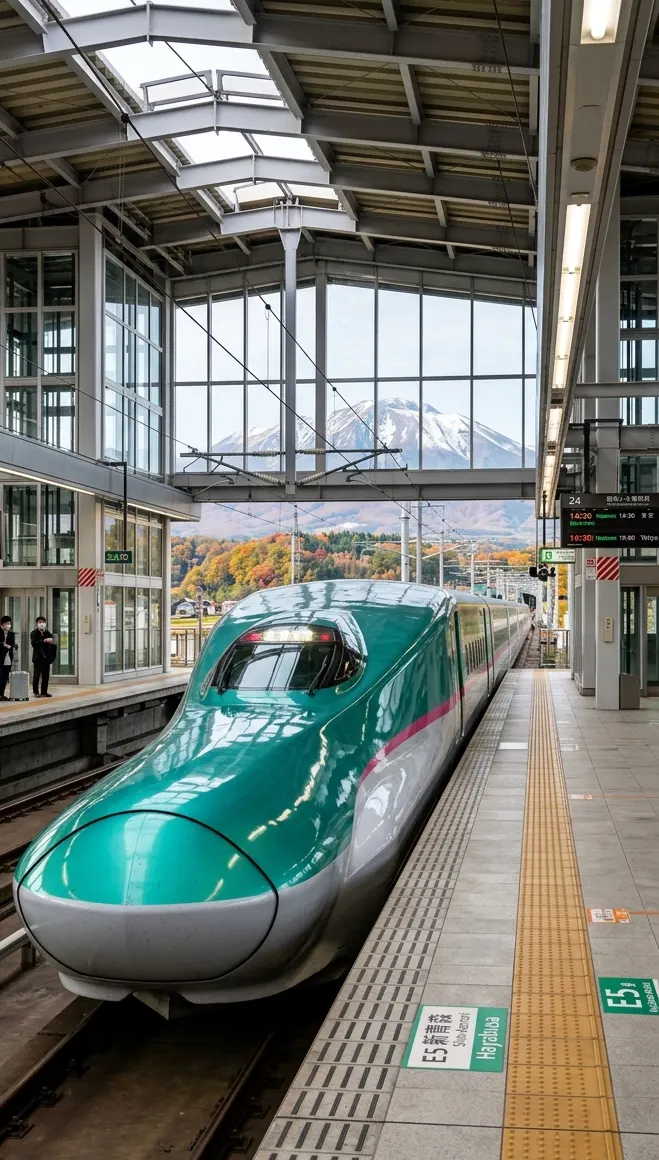
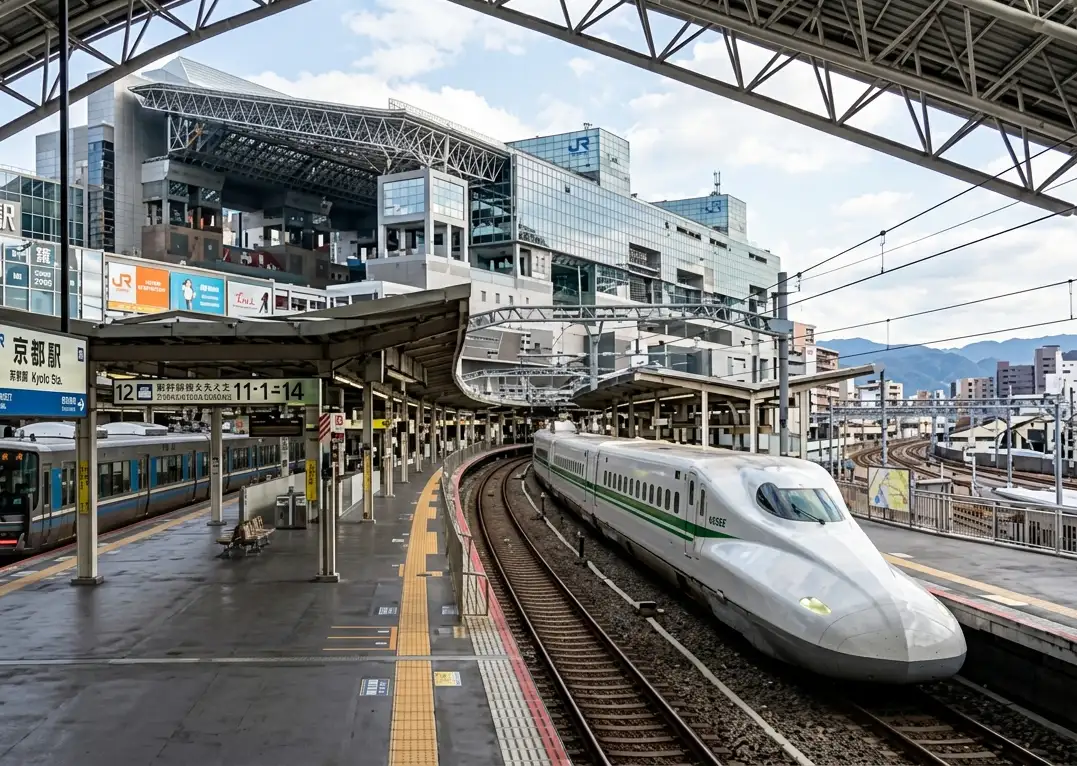
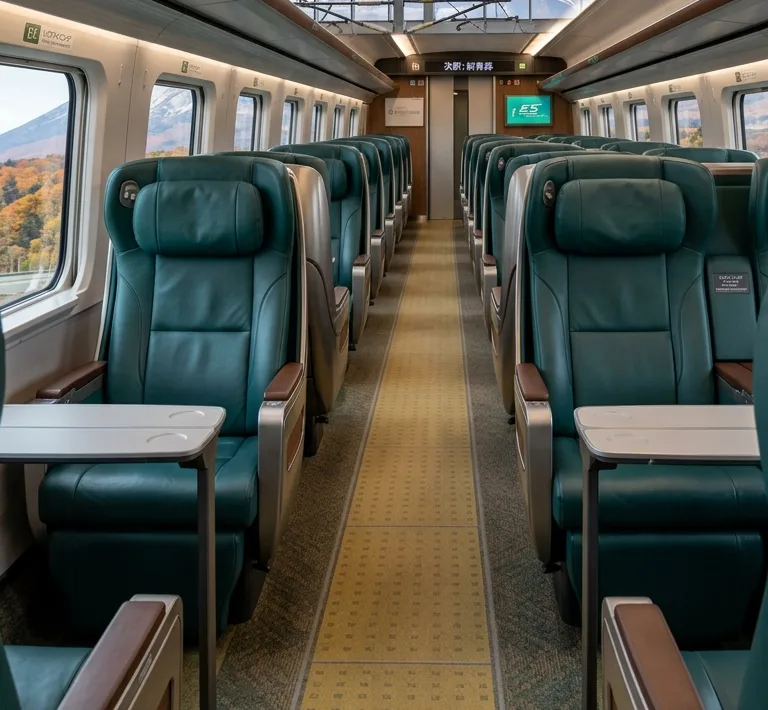
On Board Japan Trains
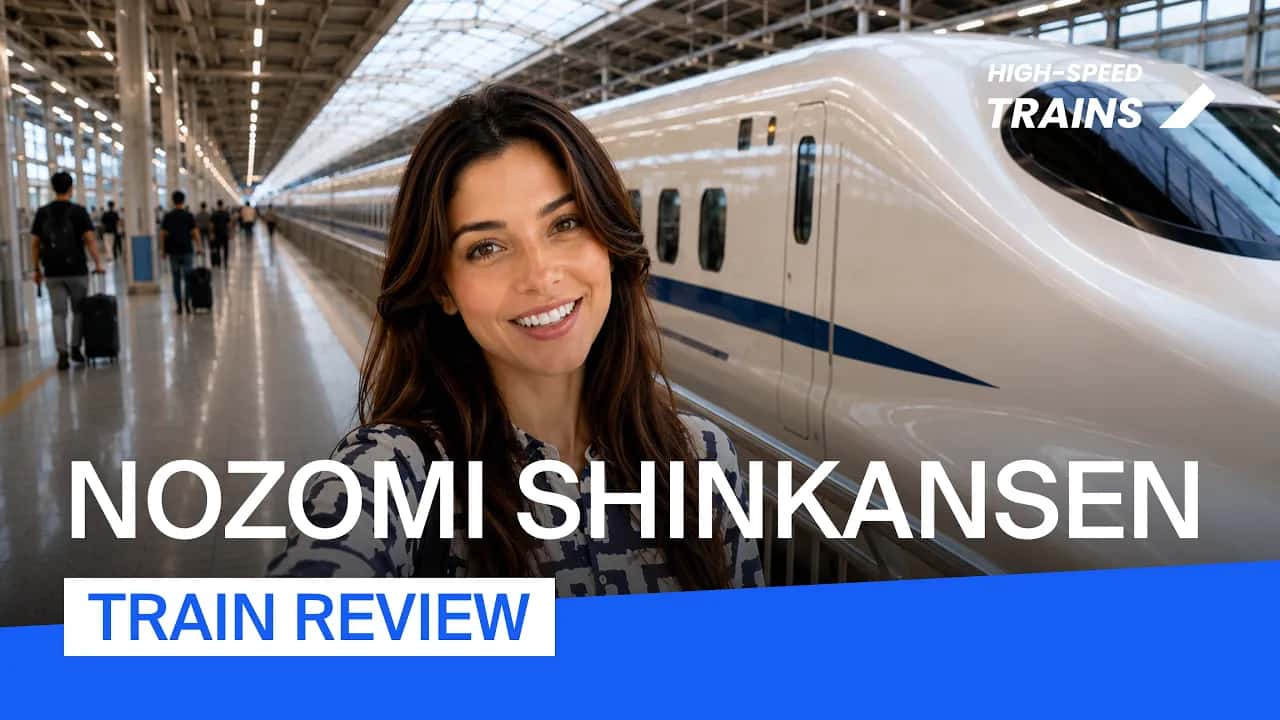
Experience the speed, precision, and quiet elegance of the Shinkansen — Japan's world-famous bullet trains and the most celebrated high speed rail network on earth. The Shinkansen (新幹線, "new trunk line") was the world's first dedicated high speed railway when the Tokaido Shinkansen opened between Tokyo and Osaka in 1964. Today, Shinkansen bullet trains connect virtually every major city in Japan at speeds of up to 320 km/h, and the Shinkansen network continues to expand — with the Hokkaido Shinkansen extension to Sapporo planned for 2031 and the Chuo Maglev line under development for 500 km/h operation between Tokyo and Osaka. Japan's Shinkansen bullet trains offer a ride unlike anything else in the world: quiet, smooth, and precisely on time to the second. The Tokaido Shinkansen — operated by JR Central between Tokyo and Shin-Osaka — is the world's busiest high speed rail line, carrying over 450,000 passengers per day across all its service types. Three service types operate on the Tokaido Shinkansen, each stopping at fewer stations than the last. The Nozomi is the fastest and most frequent Shinkansen service, stopping at only Shinagawa, Shin-Yokohama, Nagoya, and Kyoto between Tokyo and Shin-Osaka — stopping at fewer stations than any other service and covering the 515 km distance in as little as 2 hours 21 minutes at 285 km/h. The Hikari is the semi-fast Shinkansen service, stopping at more stations and fully covered by the Japan Rail Pass. The Kodama is the all-stations Shinkansen service, convenient for passengers visiting smaller Shinkansen stations along the route. The Nozomi is the train of choice for most Japan travelers for its speed and high frequency — up to 12 trains per hour — but it is not covered by the standard Japan Rail Pass. Japan Rail Pass holders must purchase a supplementary Nozomi Mizuho Ticket (¥4,960 Tokyo–Kyoto) to ride the Nozomi; the fare for this ticket is fixed and does not vary by season. The Hikari is a convenient, pass-covered alternative, running every 30 minutes and stopping at a small number of additional stations including Hamamatsu, Shizuoka, and Toyohashi depending on the service. For most Japan trip itineraries where a few extra minutes of travel time are acceptable, the Hikari is an excellent, money-saving choice over the Nozomi.
Popular questions
The main operators of Japan trains are the six companies of the JR Group (Japan Railways Group): JR East (the largest, operating the Tohoku Shinkansen, Joetsu Shinkansen, Hokuriku Shinkansen, and all JR local trains and rapid trains in the Tokyo region), JR Central (Tokaido Shinkansen), JR West (Sanyo Shinkansen and western Japan), JR Kyushu, JR Hokkaido, and JR Shikoku. Beyond the JR Group, hundreds of private railway companies — including Tokyo Metro, Kintetsu, Hankyu, Odakyu, and Keio — operate local trains, rapid trains, subway trains, and limited express trains across Japan's major cities. These private railway companies and the JR Group together are the major operators of all train lines in Japan. The Japan Rail Pass covers JR-operated trains including most Shinkansen services but does not cover private railway companies.
Shinkansen tickets can be booked online or at ticket machines and JR ticket offices at major stations across Japan. Ticket machines at Tokyo Station, Kyoto Station, Shin-Osaka Station, and most major Shinkansen stations have English menus and accept foreign credit cards. Reserved seats can be booked at any JR ticket office (Midori no Madoguchi) — look for the green sign at most stations. After purchasing your ticket, proceed through the Shinkansen ticket gates on the platform level — ticket gates at Shinkansen platforms are separate from regular JR platform ticket gates, so follow the Shinkansen signs clearly marked at all major stations. On long distance trains and Shinkansen services, non-reserved seats are available in designated non-reserved cars — just board at any door of those cars, find a free seat, and your ticket is valid for the entire distance of your journey. IC cards can be used to pay the fare on JR local trains and rapid trains but not for Shinkansen travel; other lines including private railways accept IC cards. For popular trips during peak seasons, booking reserved seats in advance of your departure date is recommended — all the major operators allow advance reservations via their English booking platforms.
For international tourists planning a multi-city trip across Japan, the Japan Rail Pass is usually the most convenient and money-saving choice. A 7-day Japan Rail Pass (¥50,000) provides unlimited travel on most JR trains including most Shinkansen routes — and the fare for just two return trips between Tokyo and Kyoto at ¥13,320 each way totals ¥26,640, paying off the pass quickly. For tourists visiting only Tokyo and one other destination, point-to-point tickets may offer better value. Use a Japan train map or fare calculator to compare the fare for your planned routes against the Japan Rail Pass price before making a decision. The Japan Rail Pass is most convenient when you want the freedom to ride any JR train on any railway line without worrying about purchasing separate tickets at machines for each journey.
The Japan Rail Pass is an unlimited-travel rail pass available exclusively to foreign tourists visiting Japan, covering all JR Group-operated trains including most Shinkansen services, JR limited express trains, JR rapid trains, JR local trains, and some JR Group ferry and bus services. Pass prices: 7 days ¥50,000 ordinary / ¥70,000 Green Car; 14 days ¥80,000 / ¥110,000; 21 days ¥100,000 / ¥140,000. The Japan Rail Pass must be purchased before arriving in Japan and activated at a JR ticket office. On Shinkansen services, Japan Rail Pass holders can use non-reserved seats in designated non-reserved cars by simply boarding; for reserved seats, holders must book at a JR ticket office or ticket machine. The Japan Rail Pass does not cover Nozomi or Mizuho services (a supplementary fare ticket can be purchased at machines), private railway companies, or subway trains operated by Tokyo Metro and Toei. The Japan Rail Pass is convenient for tourists covering long travel distances — it provides direct access to every Shinkansen line, every major JR railway line, and popular destinations from Hokkaido to Kyushu on a single pass.
Yes, Japan offers several scenic train routes, such as the "Sagano Scenic Railway" in Kyoto and the "Tōhoku Shinkansen," offering views of mountains, coastlines, and historical sites.
Yes, bicycles are allowed on Japanese trains, but they require a reservation and a bicycle ticket, especially for long-distance travel and Shinkansen services.
Yes, pets are allowed on Japanese trains. Small pets can travel in carriers for free, but larger pets require a separate ticket and must be kept in a carrier.
Yes, many Shinkansen trains and long-distance services have food carts or vending machines offering snacks, meals, and beverages. You can also bring your own food on board.