
Hiroshima to Tokyo Trains
Hiroshima to Tokyo Trains
Experience the efficiency and speed of the Hiroshima to Tokyo train journey, spanning approximately 900 kilometers. This high-speed train route ensures a comfortable and timely connection between the historic city of Hiroshima and the bustling metropolis of Tokyo. Enjoy the scenic beauty and cultural richness along the way, making your journey from Hiroshima to Tokyo a memorable experience. Plan your adventure and explore the wonders of Japan with the Hiroshima to Tokyo train experience.
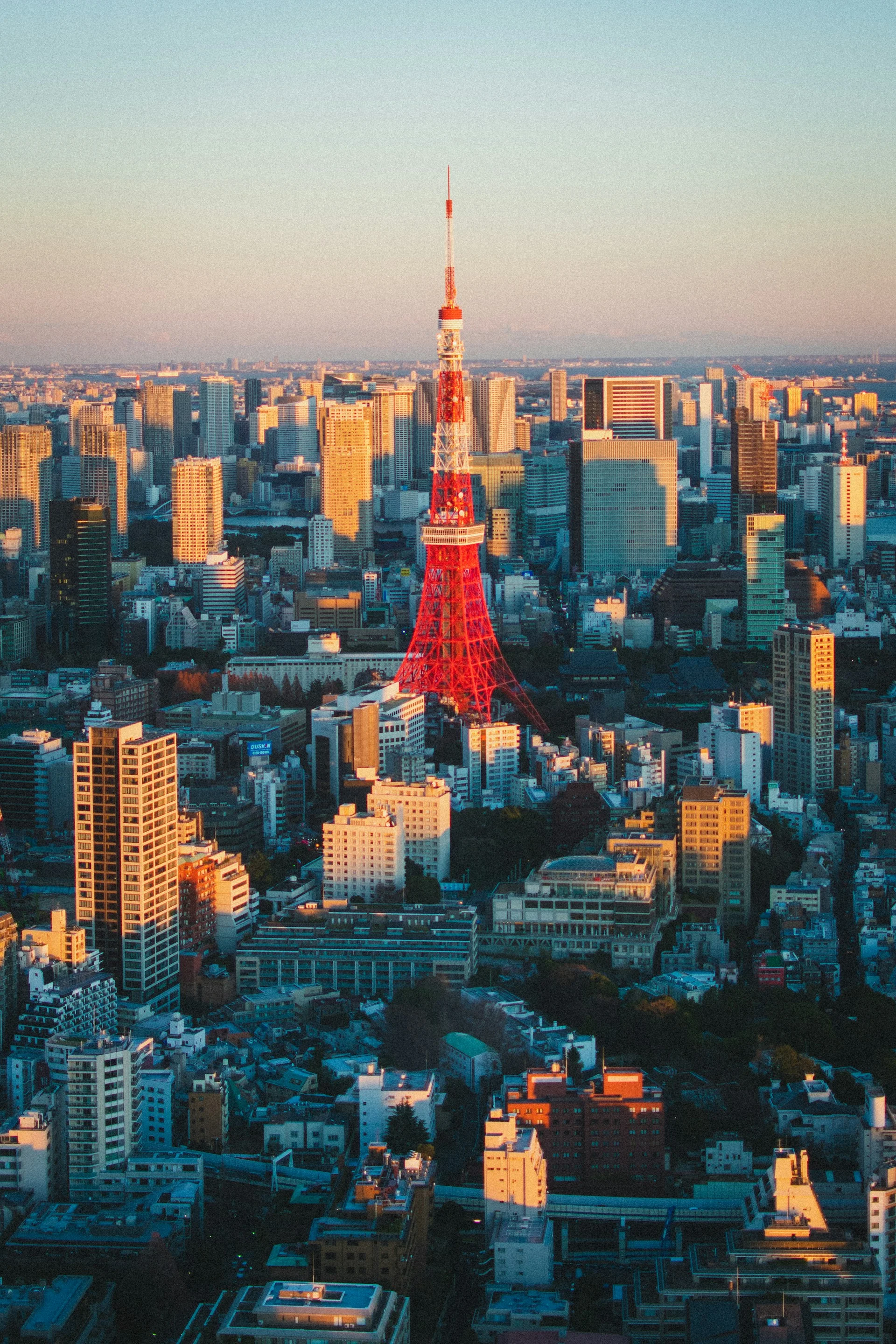
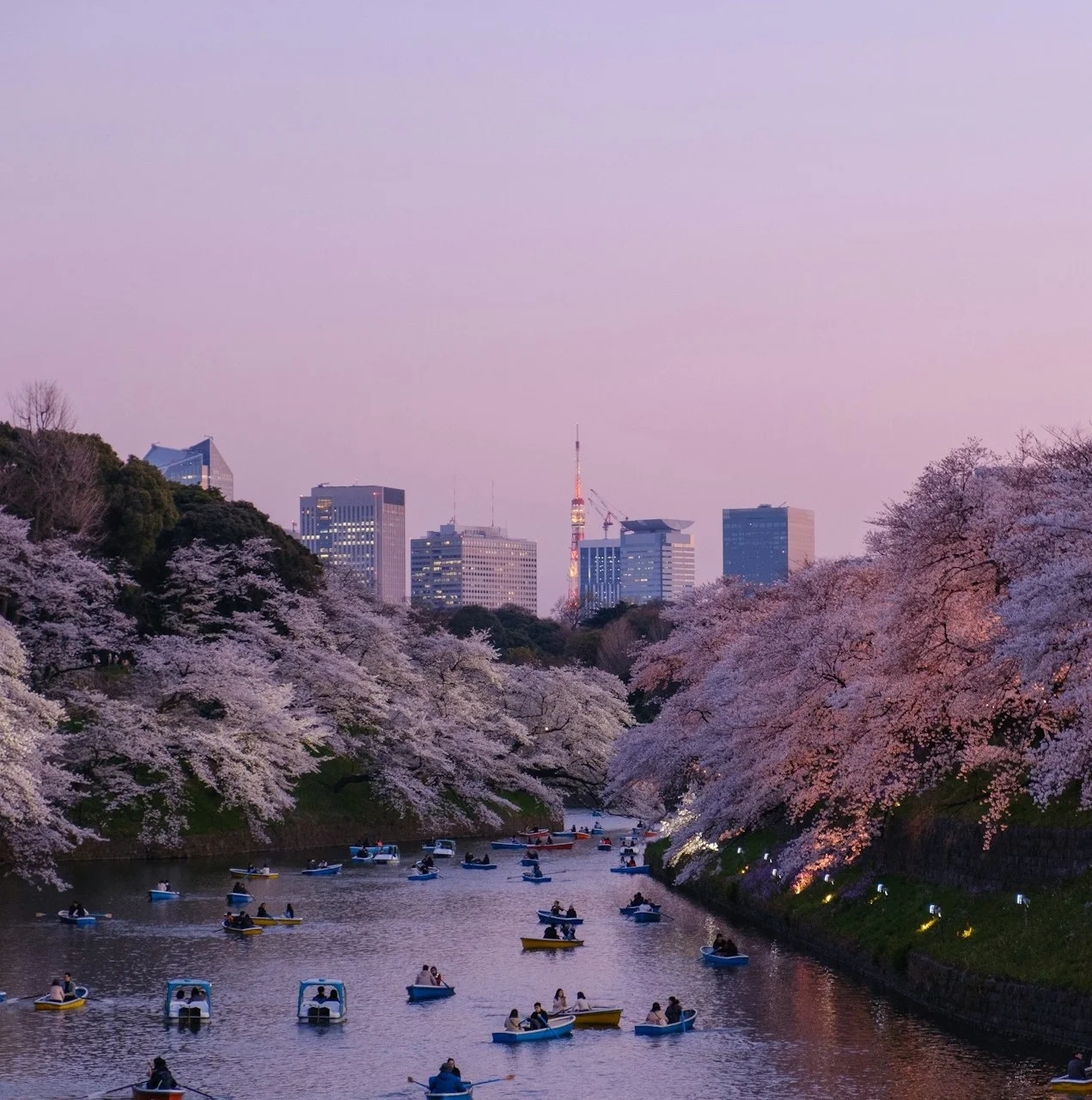
The distance from Hiroshima to Tokyo by train is approximately 894 kilometres (around 555 miles), making it one of the longest and most celebrated Shinkansen journeys in Japan and a route that has come to symbolise the extraordinary ambition and achievement of the country's high-speed rail network. When the Tokaido and Sanyo Shinkansen lines were developed across this corridor, they fundamentally transformed the relationship between western and eastern Japan, compressing what had once been a full day of travel into a journey of under 4 hours. Driving the same distance would take the better part of 9 to 10 hours and involves substantial expressway toll charges, making the car an entirely impractical option for this route. Domestic flights do operate between Hiroshima Airport and Tokyo's Haneda Airport, but when airport transfers, check-in times, and security procedures are honestly factored in, the total door-to-door journey time competes very poorly against the Shinkansen, which departs from the city centre and arrives directly into the heart of Tokyo. For travellers making the journey between Japan's capital and its most historically significant western city, the Hiroshima to Tokyo train is the definitive way to travel.
The fastest Hiroshima to Tokyo trains are the Nozomi Shinkansen services, which complete the journey in approximately 3 hours and 44 minutes, a figure that remains one of the most remarkable in long-distance rail travel anywhere in the world. The Nozomi reaches cruising speeds of up to 300 kilometres per hour and makes only a limited number of intermediate stops, keeping the journey time consistently short across the nearly 900-kilometre distance. The Hikari Shinkansen, which is fully covered by the Japan Rail Pass, takes around 4 hours and 20 minutes to complete the same journey due to its greater number of stops, and remains an excellent option for pass holders who are willing to trade a modest amount of time for the considerable cost saving. The Kodama Shinkansen also operates on sections of this corridor but stops at every station and is not a practical choice for travellers making the full Hiroshima to Tokyo journey in a single leg. Whichever service is chosen, the combination of speed, smoothness, and punctuality that defines the Shinkansen experience makes this one of the most satisfying long-distance train journeys in the world.
All Shinkansen services on the Hiroshima to Tokyo route depart from Hiroshima Station, which is the city's main rail terminal and the gateway to the Sanyo Shinkansen line heading east towards Osaka, Kyoto, and ultimately Tokyo. Hiroshima Station is located in the eastern part of the city centre and is well connected to the rest of Hiroshima by the city's beloved street tram network, which runs directly past the station and provides easy access to the Peace Memorial Park, the Atomic Bomb Dome, and the main shopping and dining districts. The station has undergone significant redevelopment and offers a wide range of dining, shopping, and travel facilities across its multiple floors. In Tokyo, the majority of Nozomi and Hikari services arrive at Tokyo Station, which is the capital's principal Shinkansen terminal, located in the Marunouchi business district at the very heart of the city and directly connected to the JR Yamanote Line, Tokyo Metro, and a wide range of surface transport options. Some services also terminate at Shinagawa Station, which can be a more convenient arrival point for travellers heading to the southern parts of Tokyo or connecting onward to Haneda Airport.
For travellers holding a Japan Rail Pass, the Hiroshima to Tokyo journey on Hikari Shinkansen services is fully covered with no additional payment required, and given the considerable distance involved, this single journey alone can account for a significant portion of the pass's total value. The standard 7-day Japan Rail Pass, in particular, can effectively pay for itself on the Hiroshima to Tokyo leg alone when the full-price Hikari fare is compared against the pass cost, making it an exceptionally strong proposition for visitors planning a broader Japan itinerary. The Nozomi Shinkansen, which is the fastest service on this route, is not included in the standard Japan Rail Pass and requires a separate fare payment, but the time difference of around 35 minutes compared to the Hikari means that most pass holders will find little compelling reason to pay the additional cost on this particular journey. Travellers not holding a Japan Rail Pass should be aware that the individual Shinkansen fare for the full Hiroshima to Tokyo route is a significant expense, and purchasing tickets well in advance through official channels or a reputable booking platform is advisable to secure the best available pricing.
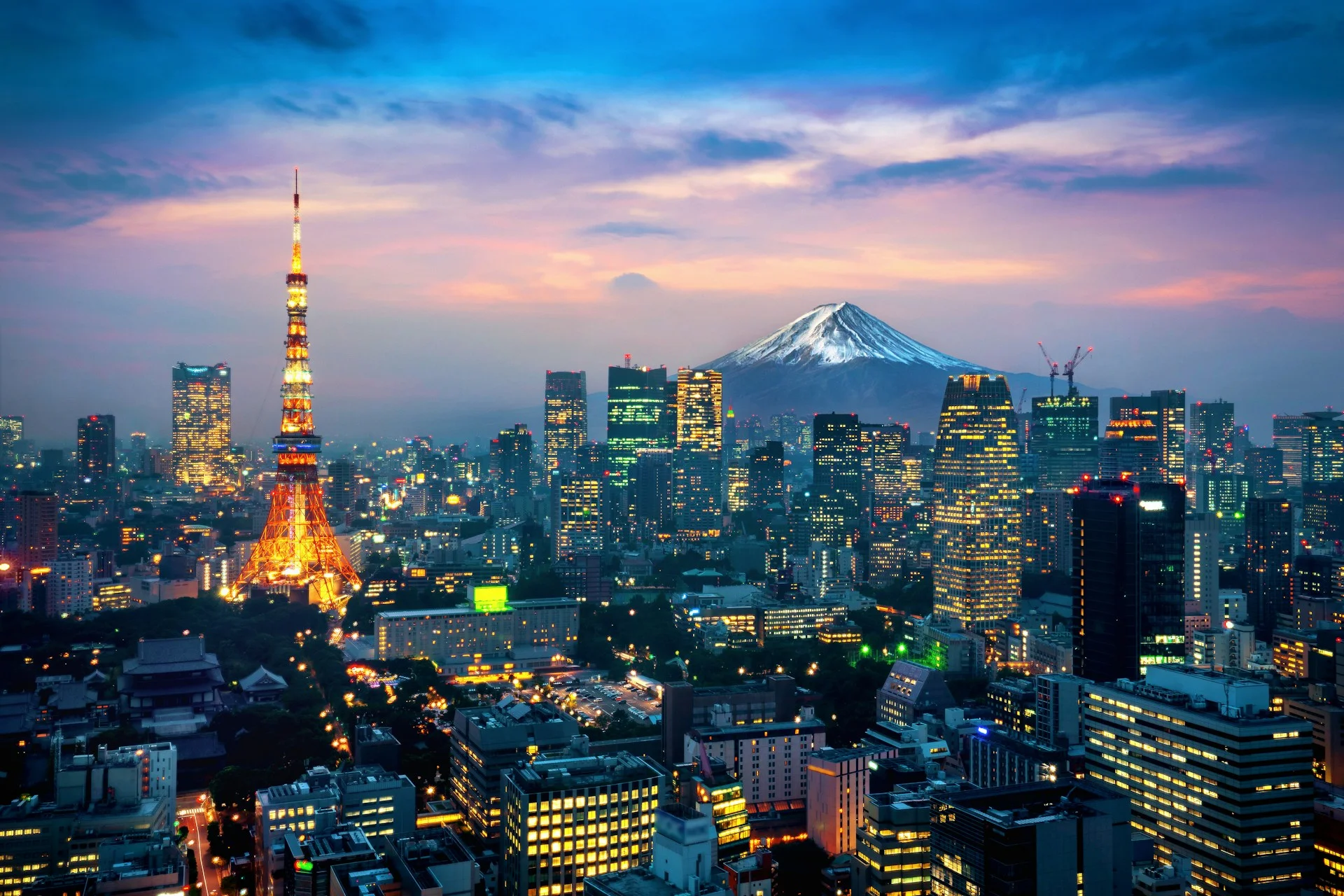
The Hiroshima to Tokyo Shinkansen journey is arguably the single best introduction to Japan's bullet train network that any traveller could choose, combining the full drama of long-distance high-speed rail with a route that passes through or near many of the country's most iconic destinations. Departing from Hiroshima, the train heads east along the Sanyo Shinkansen before joining the Tokaido Shinkansen at Shin-Osaka, passing through the urban conurbations of Kobe, Osaka, and Kyoto before crossing the dramatic landscape around Nagoya and ascending towards the Pacific coast for the final approach to Tokyo. On clear days, the iconic cone of Mount Fuji is visible from the right-hand side of the train as it passes through Shizuoka Prefecture, providing one of the most celebrated views in Japan and a moment that many travellers consider a highlight of the entire journey. The sheer scale of the experience, from the quiet efficiency of boarding at Hiroshima Station to the arrival into the vast, pulsing energy of Tokyo, gives travellers an unparalleled sense of Japan's geography, density, and the extraordinary engineering achievement that the Shinkansen represents. For anyone travelling Japan for the first time, this journey is not merely a means of transport but an essential part of understanding the country itself.