
Dublin to Belfast Trains
Dublin to Belfast Trains
Set off on an enchanting journey along the dynamic Dublin to Belfast railway route, where you'll indulge in the ultimate convenience on board a high-speed train. This unparalleled travel experience offers a smooth and rapid link between these Irish jewels, transforming the face of rail travel. The train from Dublin to Belfast not only proficiently bridges the distance but also sets a new bar in efficiency and connection. Navigate through the scenic landscape from Dublin to Belfast, relishing the modern opulence of high-speed rail with expansive views. Keep abreast of the train time from Dublin to Belfast for thorough planning, ensuring a journey characterized by velocity and uninterrupted connectivity. The Dublin to Belfast train calls to you, promising an exceptional journey that surpasses conventional travel standards, representing the future of effective and integrated rail transport.
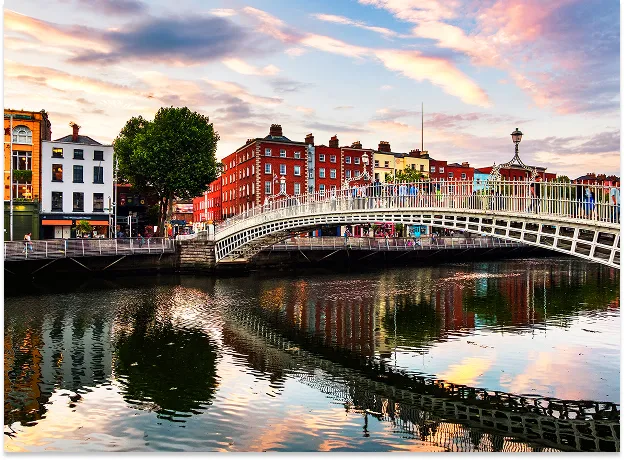
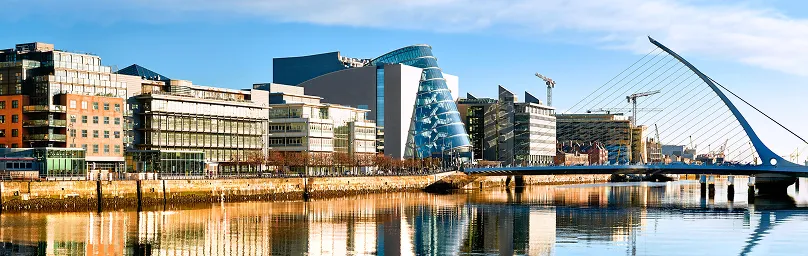
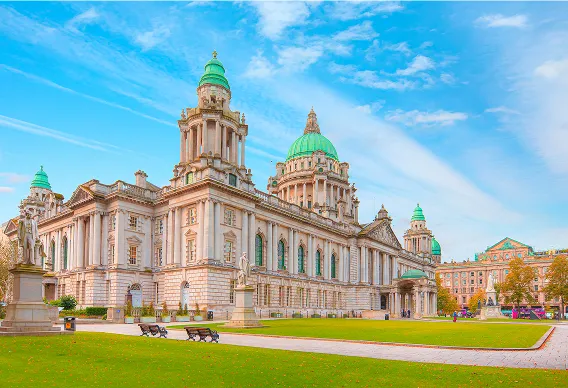
The distance from Dublin to Belfast by train is 168 kilometres (approximately 104 miles), making it one of the most important and historically significant cross-border rail connections in Europe. The Enterprise is the only through train between Dublin and Belfast, and the only rail service in the world jointly operated by a UK and an EU railway company, with Iarnród Éireann running the Republic of Ireland side and Translink operating the Northern Ireland side. The transition between jurisdictions happens somewhere between Dundalk and Newry without ceremony, with no border stop or formalities of any kind. Driving the same distance takes approximately one hour and 45 minutes under normal conditions, but the train's city-centre-to-city-centre routing, leaving from Dublin Connolly and arriving at Belfast Grand Central on Great Victoria Street, makes the overall door-to-door time considerably more competitive than the raw figures suggest.
The shortest travel time on the Dublin to Belfast route is 2 hours and 8 minutes, with all Enterprise services completing the journey in approximately the same time, as the route runs with few intermediate stops. The Enterprise service was upgraded to hourly frequency on Mondays to Saturdays from October 2024, a significant improvement that makes day trips and flexible travel far more practical than they previously were, with 15 average daily departures from 05:50 through to 20:50. Sunday services run less frequently at roughly every two hours, so weekend travellers should check the timetable in advance to plan return times. The Enterprise offers Standard and First Class seats, with onboard catering available throughout the journey, making the two hours and eight minutes a comfortable and relaxed crossing between two of the island of Ireland's most vibrant cities.
This is one of the most searched practical questions about this route, and the answer reassures most travellers considerably. No passport check is required when travelling by train between Dublin and Belfast. Common Travel Area rules apply, meaning UK and Irish citizens move freely across the border without any immigration formalities. Non-UK and non-Irish visitors should carry their passport as normal, but will not pass through UK immigration control when arriving in Belfast via Dublin, since there is no physical border between the Republic of Ireland and Northern Ireland. The border crossing on the train happens entirely unmarked, somewhere in the countryside between Dundalk and Newry, and most passengers would not notice it were it not for the change in mobile network signal and the shift from euros to pounds sterling as the relevant currency. The absence of any border infrastructure is one of the most practical and symbolic benefits of the Good Friday Agreement, and makes the Dublin to Belfast journey uniquely simple among international train crossings in Europe.
Tickets on the Dublin to Belfast route start from €25 when booked in advance, with prices varying depending on how early you book, the class of travel, and the specific departure time. Advance fares booked through Irish Rail start from around €13.99 for a standard single, with first class tickets from around €27.50, and there are concession fares available including reduced rates for young adults with a valid Student Leap Card. If travelling from Belfast, booking through Translink gives access to advance standard class singles from around £14.99, with first class from £48. One practical note worth knowing: the two currencies are in play on this route, as Belfast operates in pounds sterling while Dublin uses euros, and it is worth having both currencies if you plan to spend any significant time in either city. Booking directly through Irish Rail or Translink's websites gives access to all fare classes, and buying in advance remains the most reliable way to secure the lowest available price on this popular corridor.
The first 20 minutes heading north from Dublin run alongside Dublin Bay and through coastal suburbs, offering views of the Irish Sea before the line swings inland through Drogheda and on toward Dundalk, where the Mourne Mountains of County Down become visible to the east on a clear day. Leaving Drogheda, the train crosses the Boyne Viaduct, a wrought-iron lattice span high over the Boyne estuary that has been in service since 1855, and a few minutes after leaving Newry on the Northern Ireland side, the Craigmore Viaduct appears, eighteen sandstone arches over the Camlough River built in 1852 and the tallest railway viaduct in Ireland. For the best coastal views heading north from Dublin, sit on the right side of the train, where the sea views north of Dublin are at their most open and rewarding. The scenery shifts noticeably across the journey, from the coastal suburbs and estuary landscapes of County Louth to the quiet drumlin country of south Armagh, making the two hours a genuinely varied and engaging window into the Irish landscape.