
Hiroshima to Osaka Trains
Hiroshima to Osaka Trains
Embark on an exciting journey along the modern train route linking Hiroshima to Osaka, two dynamic cities in Japan. Covering a distance of approximately 340 kilometers, this high-speed train adventure takes around 2 hours, offering a convenient and efficient mode of transportation between these cultural hubs. Whether you're a local commuter or a tourist eager to explore the historical significance of Japan, this route is designed to cater to your needs. Immerse yourself in the scenic beauty and cultural marvels as you seamlessly traverse Japan's efficient railway system, experiencing the best that these vibrant cities have to offer.
The distance from Hiroshima to Osaka by train is approximately 340 kilometres (around 211 miles), connecting two of western Japan's most significant and visited cities along one of the most technologically impressive rail corridors in the world. The route is served by the Sanyo Shinkansen, Japan's legendary high-speed bullet train network, which makes the journey not only fast but a genuinely memorable travel experience in its own right. Driving the same distance via the San-yo Expressway takes around 3 hours and 30 minutes under normal conditions, but toll charges, fuel costs, and urban traffic around Osaka make the car a far less compelling proposition for most travellers. Domestic flights between Hiroshima and Osaka are essentially non-existent as a practical option given the speed and convenience of the Shinkansen, which has comprehensively replaced air travel on this corridor. For visitors exploring the Kansai and Chugoku regions of Japan, the Hiroshima to Osaka train is an effortless and thrilling connection between two cities of profound historical and cultural importance.
The fastest Hiroshima to Osaka trains are the Nozomi Shinkansen services, which complete the journey in approximately 1 hour and 25 minutes, making what would otherwise be a substantial intercity distance feel almost trivially short. The Hikari Shinkansen, which makes more intermediate stops than the Nozomi, covers the same route in around 1 hour and 45 minutes and remains an excellent option for travellers holding a Japan Rail Pass, as the Nozomi is not covered by the standard pass. The Kodama Shinkansen also operates on this corridor but stops at every station along the way, resulting in a considerably longer journey time that most travellers on this route would find unnecessary given the faster alternatives available. The speed and smoothness of the Shinkansen experience on this journey is remarkable, with the train reaching cruising speeds of up to 300 kilometres per hour while delivering a ride quality that is quieter and more stable than most conventional trains operating at a fraction of the speed.
All Shinkansen services on the Hiroshima to Osaka route depart from Hiroshima Station, which is the city's main rail terminal and the hub for both bullet train services and local rail connections across the region. Hiroshima Station is located in the eastern part of the city centre and is easily reachable by the city's famous tram network, which provides a charming and historically resonant way to travel from the Peace Memorial Park and Museum to the station before departure. The station has been extensively redeveloped in recent years and offers a comprehensive range of shopping, dining, and travel facilities. In Osaka, the majority of Shinkansen services arrive at Shin-Osaka Station, which is the city's dedicated bullet train terminal located in the northern part of Osaka and connected to the city centre by the Midosuji Metro line and local JR services. Travellers heading to central Osaka should allow an additional 15 to 20 minutes for the metro connection from Shin-Osaka to destinations such as Namba, Umeda, or Shinsaibashi.
For travellers already holding a Japan Rail Pass, the Hiroshima to Osaka Shinkansen journey is fully covered by the pass on Hikari and Kodama services, making it one of the most cost-effective legs of a broader Japan itinerary. The Nozomi Shinkansen, which is the fastest service on this route, is not included in the standard Japan Rail Pass and requires a separate ticket supplement, so travellers using the pass should plan their journey around Hikari departures, which are frequent and only marginally slower than the Nozomi. For travellers not holding a Japan Rail Pass, individual Shinkansen tickets between Hiroshima and Osaka can be purchased at station ticket machines or online, and while the full-price fare is not inexpensive, the combination of speed, comfort, and reliability makes it excellent value in the context of the overall travel experience. Visitors making multiple long-distance journeys across Japan should calculate carefully whether a Rail Pass offers better overall value than purchasing individual tickets for each leg of their itinerary.
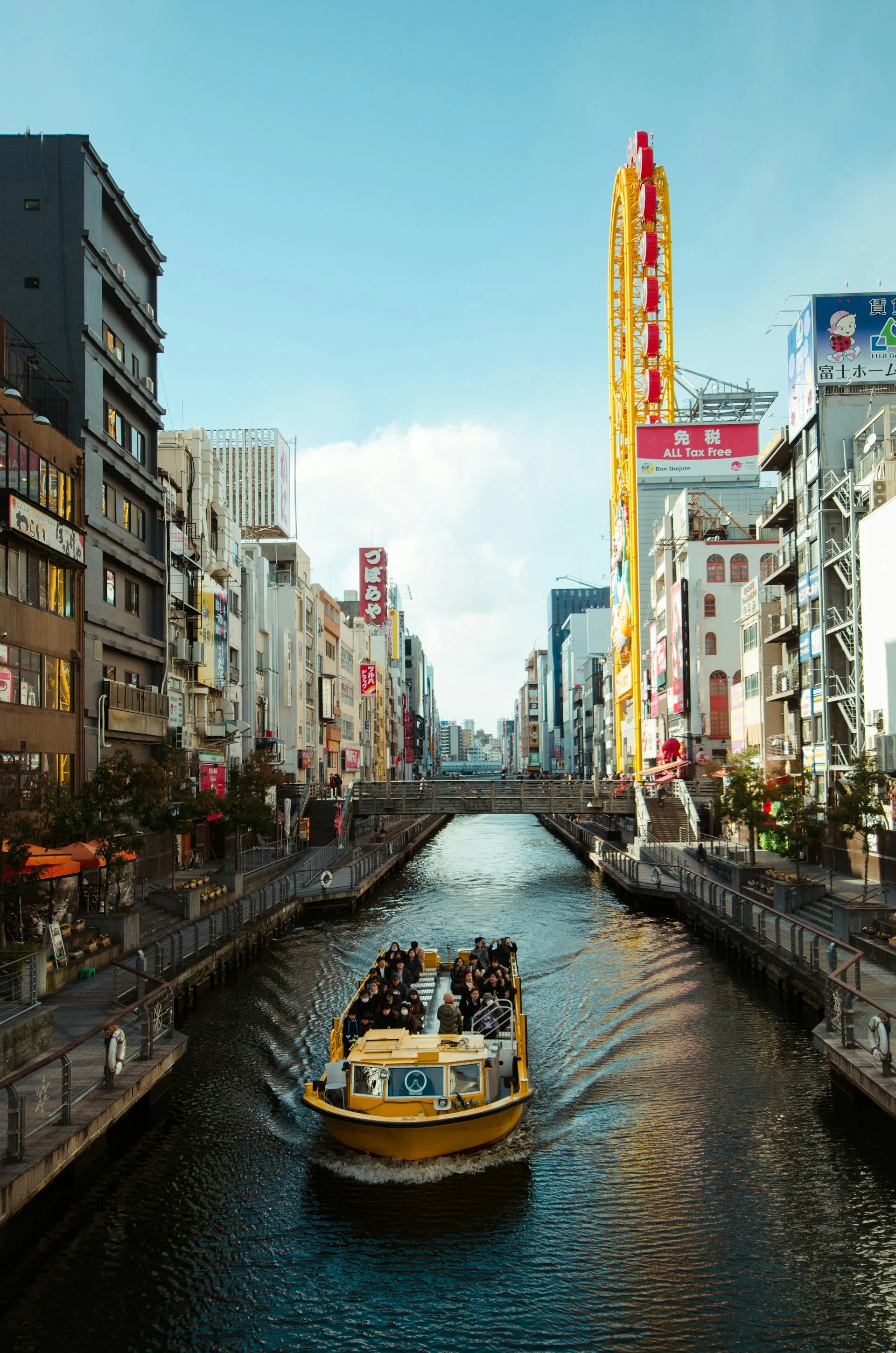
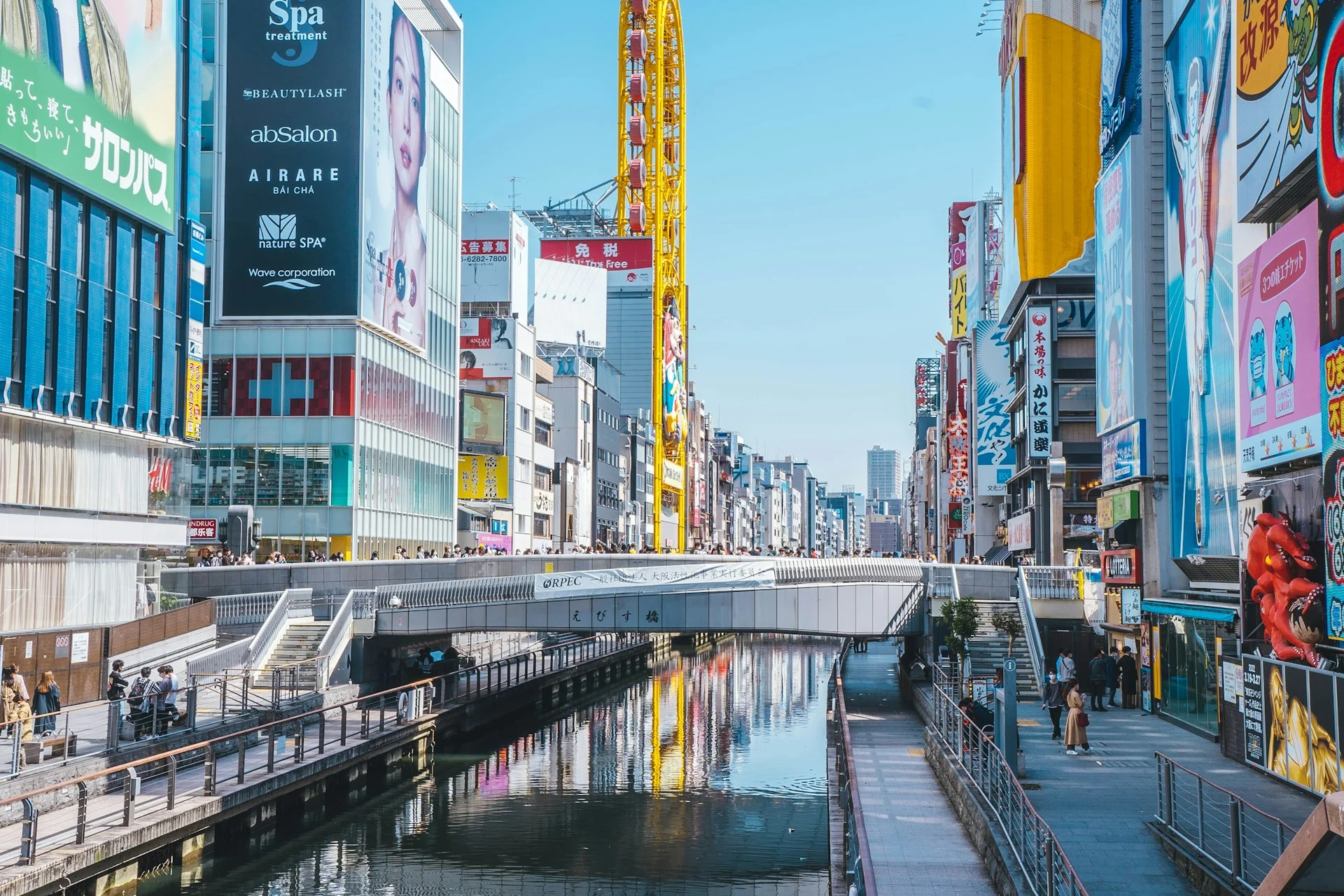
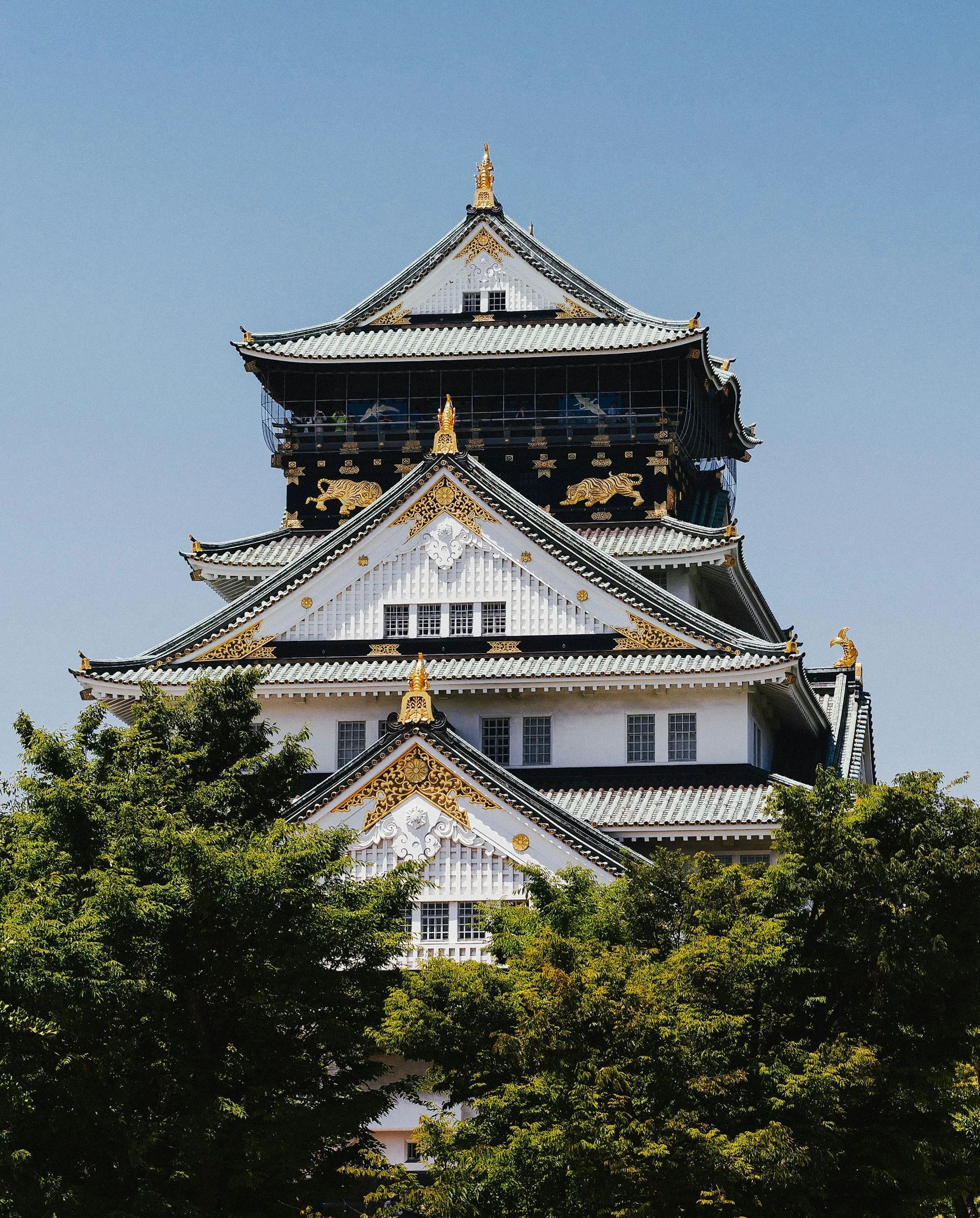
Travelling between Hiroshima and Osaka by Shinkansen places travellers at the heart of one of Japan's richest and most rewarding travel regions, with an extraordinary concentration of history, culture, cuisine, and natural beauty within easy reach of both cities. Hiroshima itself is a city of profound emotional and historical significance, home to the Peace Memorial Park and Museum, the iconic Atomic Bomb Dome, and a remarkably vibrant and forward-looking modern city that has rebuilt itself with extraordinary resilience. A short ferry ride from Hiroshima lies Miyajima Island, home to the celebrated floating torii gate of Itsukushima Shrine and one of the most photographed landscapes in Japan. Osaka, meanwhile, is Japan's culinary capital and a city of infectious energy, famous for its street food culture centred on Dotonbori, its magnificent castle, and its role as the gateway to the ancient capitals of Kyoto and Nara, both reachable in under 30 minutes by Shinkansen or local express train. The short journey time between Hiroshima and Osaka means that travellers can comfortably experience both cities, along with the many destinations in between, within a single well-planned itinerary.