
Everything You Need to Know About Train Travel in Malaysia
Malaysia trains are one of the most practical and rewarding ways to explore this diverse Southeast Asian country — connecting the capital city of Kuala Lumpur with towns along peninsular malaysia, threading through dense rainforest on the legendary jungle line, and linking major cities from the thai border in the north all the way south to johor bahru on the Singapore crossing. Whether you are riding high-speed ETS trains along the west coast line, travelling overnight through the interior on long-distance trains, or navigating the urban rail network in Kuala Lumpur, malaysian trains — including both long-distance and urban malaysian trains — offer an affordable and comfortable alternative to flying. All routes are bookable online through the KTM website or at KL Sentral, with train times, fares, and seat reservations available in advance. The Malaysian rail network is operated primarily by Keretapi Tanah Melayu Berhad — KTM — (the full name Keretapi Tanah Melayu Berhad reflects its founding as a government-linked rail company) which runs intercity, commuter, and freight services across the peninsula. Urban railway lines across the klang valley region are operated by Rapid Rail Sdn Bhd and other railway operators, all converging at KL Sentral in the capital city. Together these services have driven significant improvements through double tracking, new rolling stock, and mrt line and lrt project expansions — transforming the railway system from a slow single track operation into a modern, air-conditioned network serving millions of passengers every year.
On Board Malaysia Trains
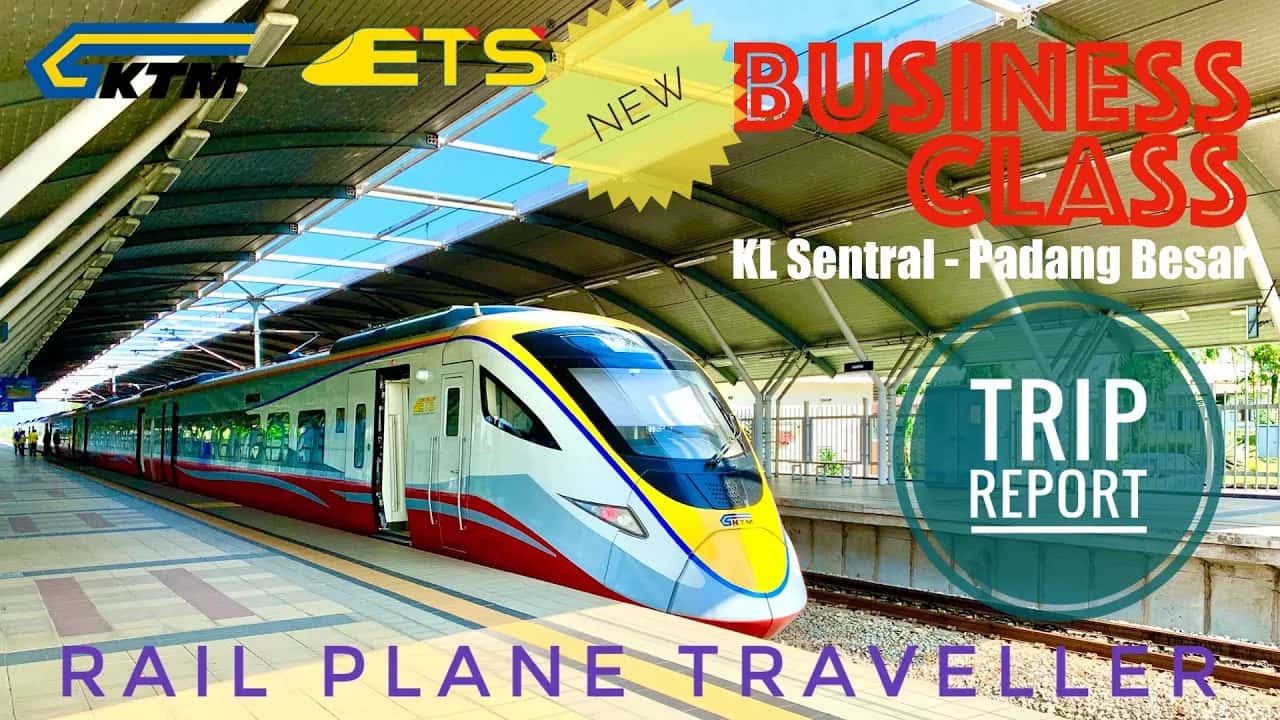
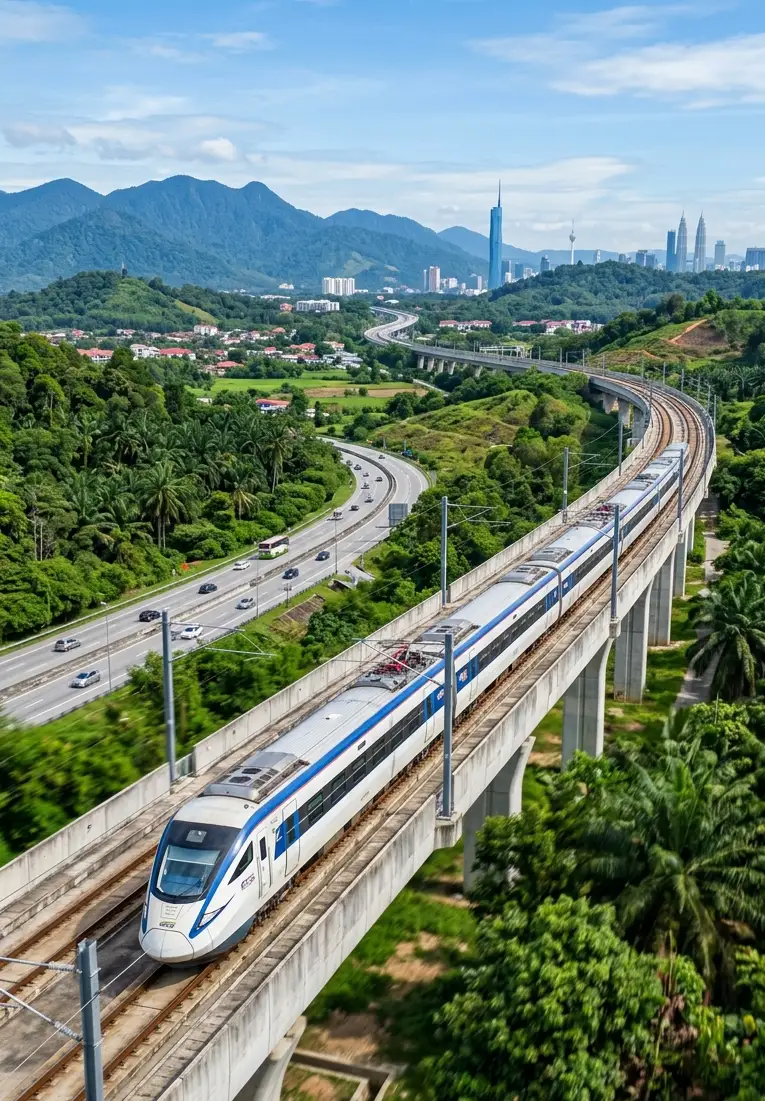
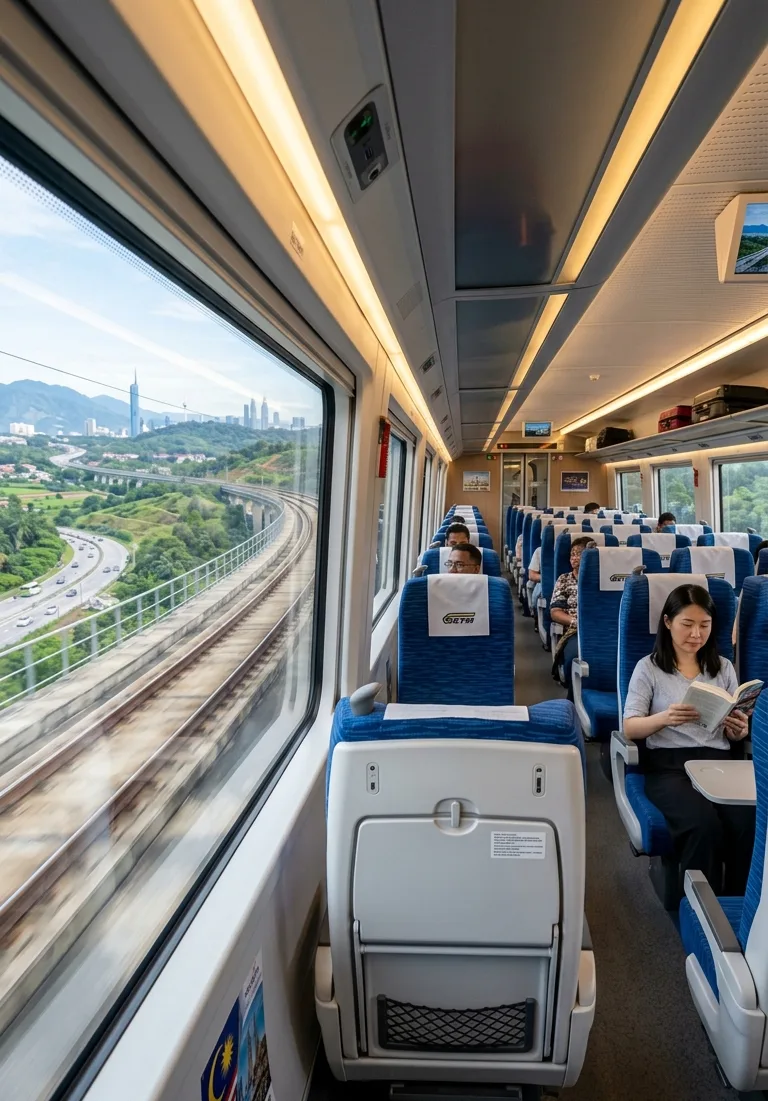
KTM intercity is the backbone of long-distance malaysia trains, and on the electrified west coast corridor all intercity services run as ETS trains — Electric Train Service sets — replacing older locomotive-hauled rolling stock. The west coast line covers the entire length of peninsular malaysia from johor bahru in the south to Padang Besar at the thai border, passing through Ipoh, Butterworth, and Kuala Lumpur Sentral. KTM ETS electric train sets reach speeds of up to 140 km h, cutting journey times dramatically. These electric train units are fully air-conditioned with economy and premium seating, onboard catering, and power outlets. KTM Komuter commuter rail services also run from KL Sentral to Port Klang and Seremban. KTM Komuter trains are air-conditioned, and KTM Komuter runs frequently throughout the day with extra KTM Komuter trains during peak hours, and KTM Komuter fares are among the lowest in the network. Advance booking is recommended during peak hours and public holidays, and train tickets can be bought online or at any staffed KTM station along the route. Beyod the west coast line, KTM intercity also runs the jungle line — the east coast line from Gemas to Tumpat near Kota Bharu — using diesel traction through the interior of peninsular malaysia. Sleeper trains on the jungle line depart from KL Sentral in the evening with a buffet car service, arriving on the east coast the following morning. The east coast rail link — ECRL — is a major new rail link under construction connecting Port Klang to the east coast, providing a high-speed alternative route that will run at up to 160 km h once completed. Double tracking and electrification continue across the Malaysian railway network, with new sections having commenced operation regularly; each commenced operation milestone improves the railway infrastructure. Several sections have commenced operation ahead of schedule. that supports the whole system.
Popular questions
Malaysia trains fall into several categories. KTM intercity trains — ETS trains on the west coast line and diesel intercity services on the jungle line — connect the major cities of peninsular malaysia. KTM Komuter provides commuter rail services for the klang valley region on two lines from KL Sentral. The Kuala Lumpur urban railway system includes the Kelana Jaya Line lrt system, the Star LRT line, an mrt line metro network, and the KL Monorail monorail system — covering the three lines of light rail that carry the bulk of daily passengers across the city. KLIA Transit links KL Sentral with Kuala Lumpur International Airport. Sleeper trains operate overnight on the east coast line. All routes, train service schedules, and train service fares are bookable through the KTM website or at staffed railway stations.
ETS tickets are available in economy and premium classes, with the best fares secured by booking well in advance online. The KTM ETS booking system allows you to choose your seat and pay for ets tickets in minutes via the KTM website or app. Booking ktm ets tickets early is especially important during public holidays and school breaks when west coast line services fill up quickly. Tickets can also be purchased at KL Sentral ticket counters and at staffed stations. For journeys requiring a change of train — for example, connecting from an ETS service to the east coast line at Gemas — a separate ticket is required for each leg, so planning connections carefully when booking multi-stage journeys is worthwhile. The KTM website also provides useful information on international express services north into southern thailand for travellers continuing north into southern thailand.
The easiest way to buy train tickets for malaysia trains is to book online in advance - it lets you check schedules, compare fares, and pay for train tickets in minutes, with an e-ticket sent to your phone. Tickets are also available at the central station counters and at staffed stations along the route. For urban rail in Kuala Lumpur, a Touch 'n Go card is the most practical option, accepted across KTM Komuter, the lrt system, mrt lines, and the KL Monorail without needing a separate ticket for each line. On the east coast line and for sleeper trains, advance booking is essential as berths and seats sell out well before departure — especially during peak periods when demand across the entire network peaks sharply.
Yes, booking train tickets in advance is strongly recommended for ETS Platinum services and all KTM trains during Malaysian public holidays and school holiday periods. ETS Platinum tickets from Kuala Lumpur to Penang and KL to JB Sentral sell out within hours of going on sale for Hari Raya, Chinese New Year, and Deepavali travel dates. For regular weekday travel, tickets are generally available closer to departure, but booking ahead is still advisable to secure preferred departure times and seat classes. Train tickets for KTM Intercity sleeper cabins — especially private cabin accommodations for overnight journeys — should be booked at least 1–2 weeks in advance.
Kuala Lumpur's urban railway system combines multiple lines all accessible from KL Sentral. KTM Komuter runs two lines — the Port Klang line and the Seremban line — providing commuter rail services across the greater city area. The lrt system operates as two lines: the Kelana Jaya Line running from Putra Heights to Gombak — the Kelana Jaya Line is the longer route — the Kelana Jaya Line serves dozens of stations across the western suburbs; a Kelana Jaya Line extension runs to Putra Heights and another Kelana Jaya Line extension reaches Gombak, and the Star LRT Ampang/Sri Petaling line — the Star LRT covers the eastern suburbs — together serving three lines of light rail across the eastern and western suburbs. The mrt line network has two lines in service with a third mrt line under construction as part of the ongoing mrt project; the mrt project is expected to add significant new coverage. The KL Monorail monorail system — the only elevated monorail system in central Kuala Lumpur — connects KL Sentral to Titiwangsa through the city centre, stopping at eleven stations including two stations at the Bukit Bintang shopping district and three stations near the KL Tower area, and three stations on the Star LRT extension. A Touch 'n Go card covers all these railway lines — including every lrt line, removing the need for separate boarding passes on each service.
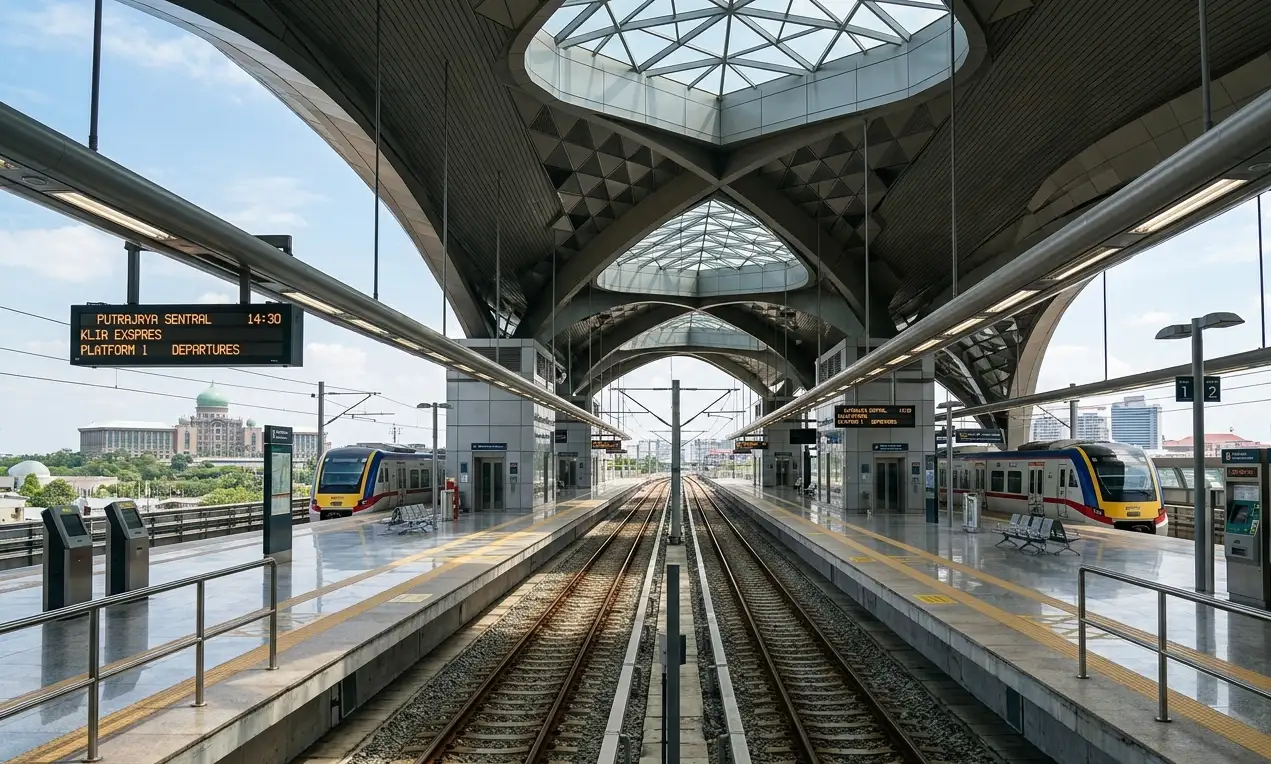
KLIA Transit is the commuter rail link connecting Kuala Lumpur Sentral — KL Sentral — with Kuala Lumpur International Airport, stopping at six stations including Salak Tinggi and Putrajaya/Cyberjaya. The klia transit journey takes around 35 minutes from KL Sentral to the airport, with trains every 15 to 20 minutes throughout the day, with higher frequency during peak hours; journey times are unaffected by peak hours on the non-stop KLIA Ekspres. A separate ticket is required for klia transit, not included in standard KTM intercity or ETS fares. Passengers from ETS trains or KTM Komuter services at Kuala Lumpur Sentral can transfer to the klia transit platforms within the station. Note that Subang Airport is not on the klia transit route and is accessed by road only. The faster KLIA Ekspres non-stop service also operates from KL Sentral and shares the same track with klia transit.