
Everything You Need to Know About High Speed Rail in France
France trains are among the finest in the world — fast, frequent, comfortable, and woven into the fabric of how the country moves. Whether you're booking a Paris to Lyon TGV train, travelling south to Marseille or the French Riviera, crossing the Channel on Eurostar trains, or exploring the country on TER regional trains, the French railway network connects every corner of the country with one cohesive, well-run system. Trains in France are punctual, modern, and easy to book online, making French train travel one of the most rewarding ways to explore Europe — with schedules, fares, and seat selection all available in English through HighSpeedTrains.
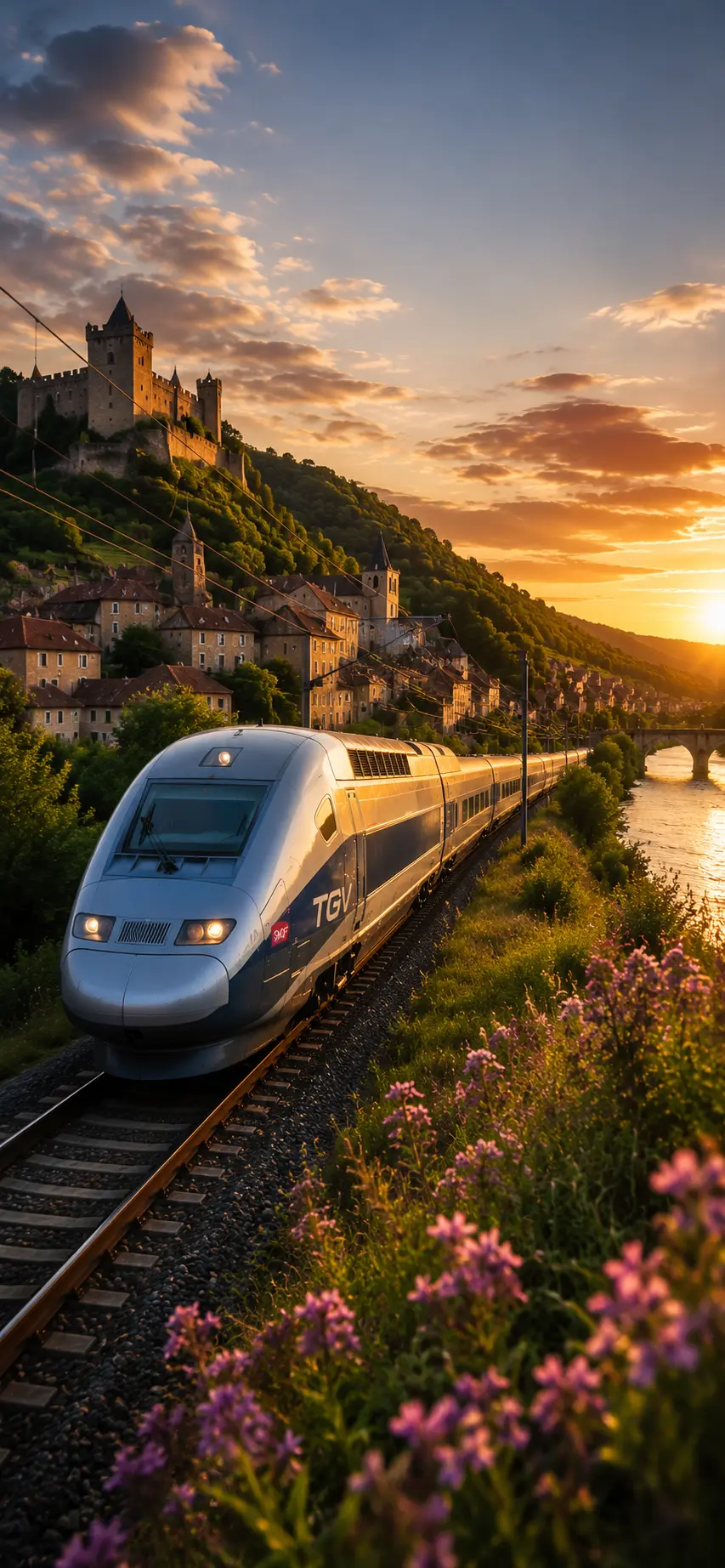
French trains run on an extensive national network that covers the entire country from Lille in the north to Nice on the Côte d'Azur. The French railway network links major cities, regional towns, and international destinations across the continent. The flagship service is the TGV — the Train à Grande Vitesse — a high speed rail service that reaches speeds of up to 300 km/h and covers the Paris to Lyon corridor in as little as 2 hours, making it the fastest and most iconic France train route in the network.
Beyond TGV trains, the network also includes TGV Inoui premium services, TER regional trains, Intercités long distance trains, and a range of other trains operated across French railways — meaning you can reach virtually any city or town across France entirely by rail, with onboard amenities ranging from free WiFi to power sockets, restaurant cars, and first class seating on most routes.
Buy French Train Tickets
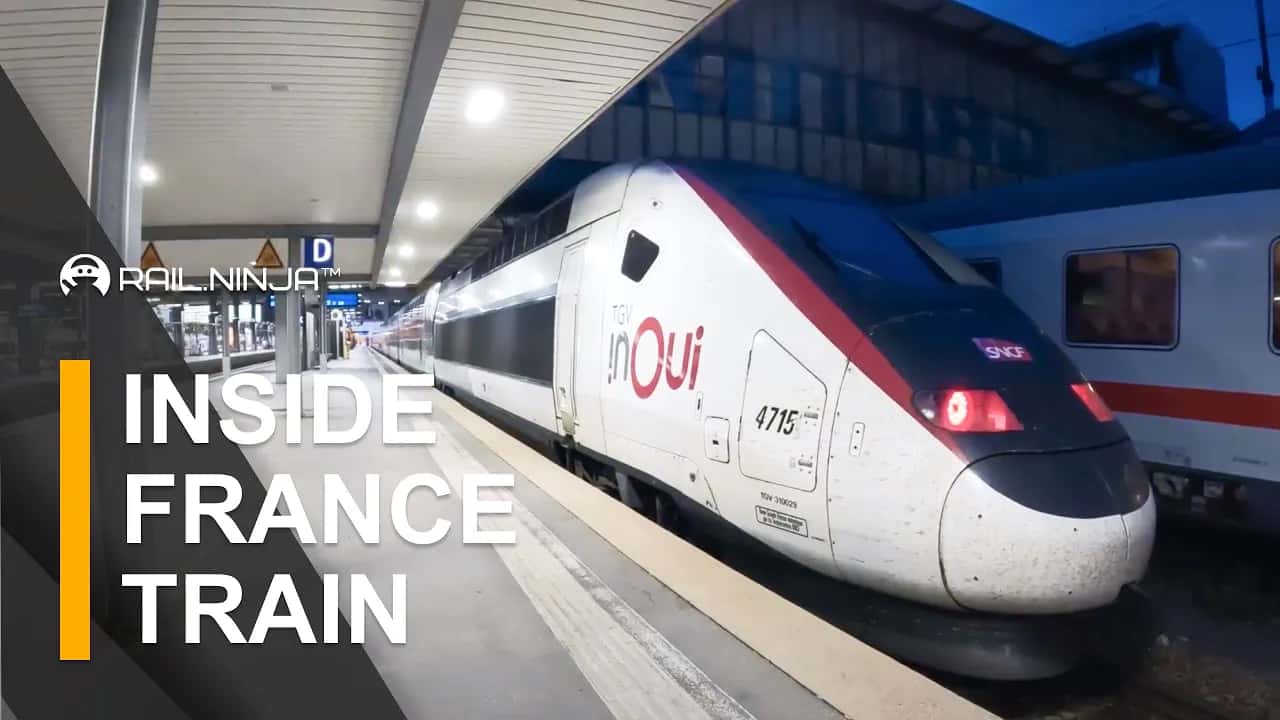
The TGV is France's high speed train and one of the most celebrated rail services in the world. Introduced in 1981, TGV trains transformed travel in France by making it faster to travel between major cities by rail than by air when airport time is factored in. Today, TGV routes cover the entire country and extend internationally to Belgium, the Netherlands, Germany, Switzerland, Spain, and Italy via international TGV trains that cross borders seamlessly.
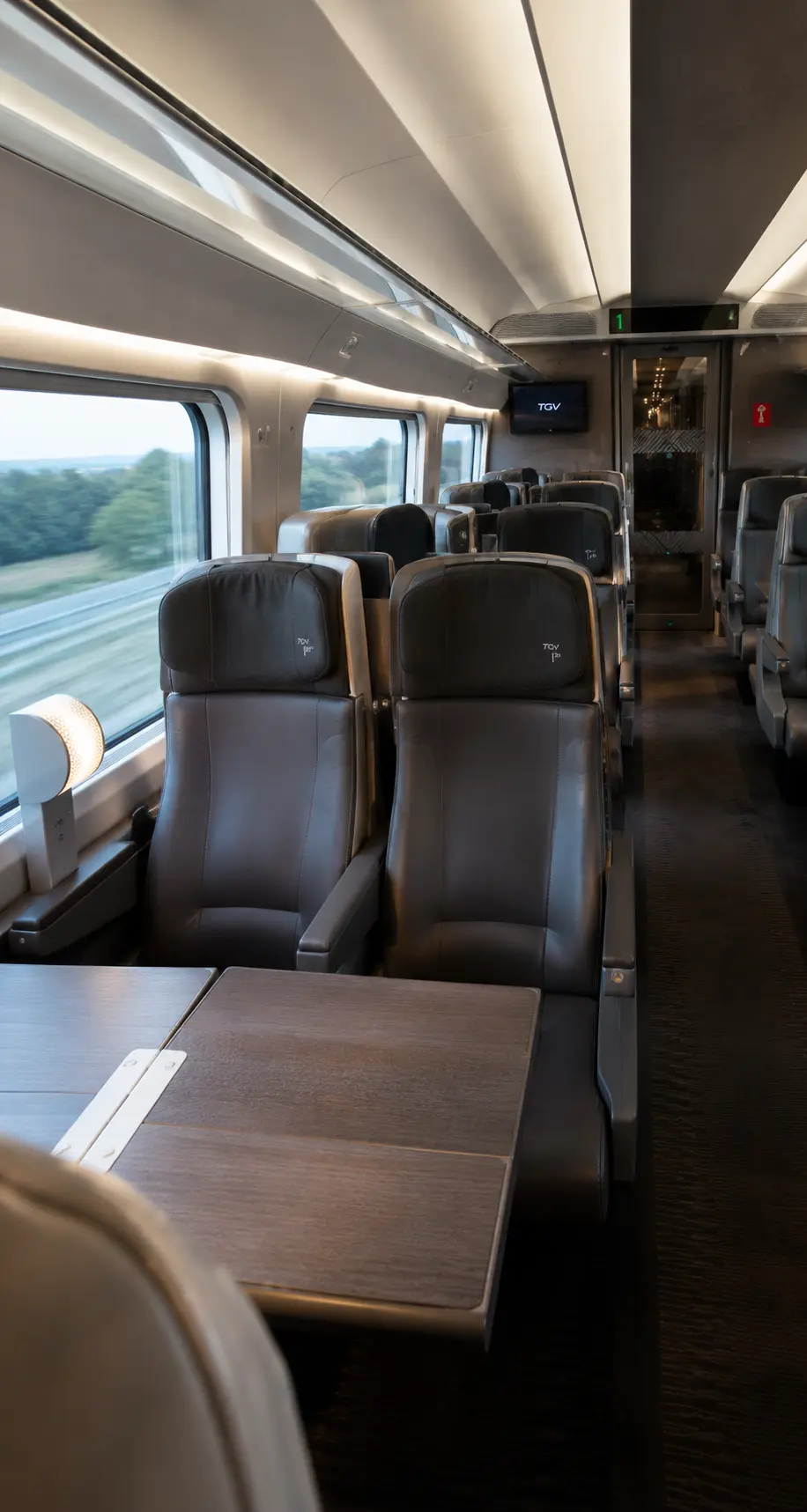
TGV Inoui is the premium TGV service running on the main high speed lines connecting Paris with the country's biggest destinations. The most travelled routes include Paris to Lyon (approx. 2 hours), Paris to Marseille (approx. 3 hours), Paris to Bordeaux (approx. 2 hours), Paris to Rennes (approx. 1h 25m), Paris to Nantes (approx. 2h 10m), and Paris to Strasbourg (approx. 1h 47m). TGV Inoui trains offer both first class and second class travel. Second class carriages are spacious and comfortable, with power sockets at every seat, free WiFi throughout the train, and a bar car serving hot food, snacks, and beverages. First class adds wider seats, more legroom, at-seat service on select routes, and a quieter environment — making it the preferred choice for business travellers on longer journeys.
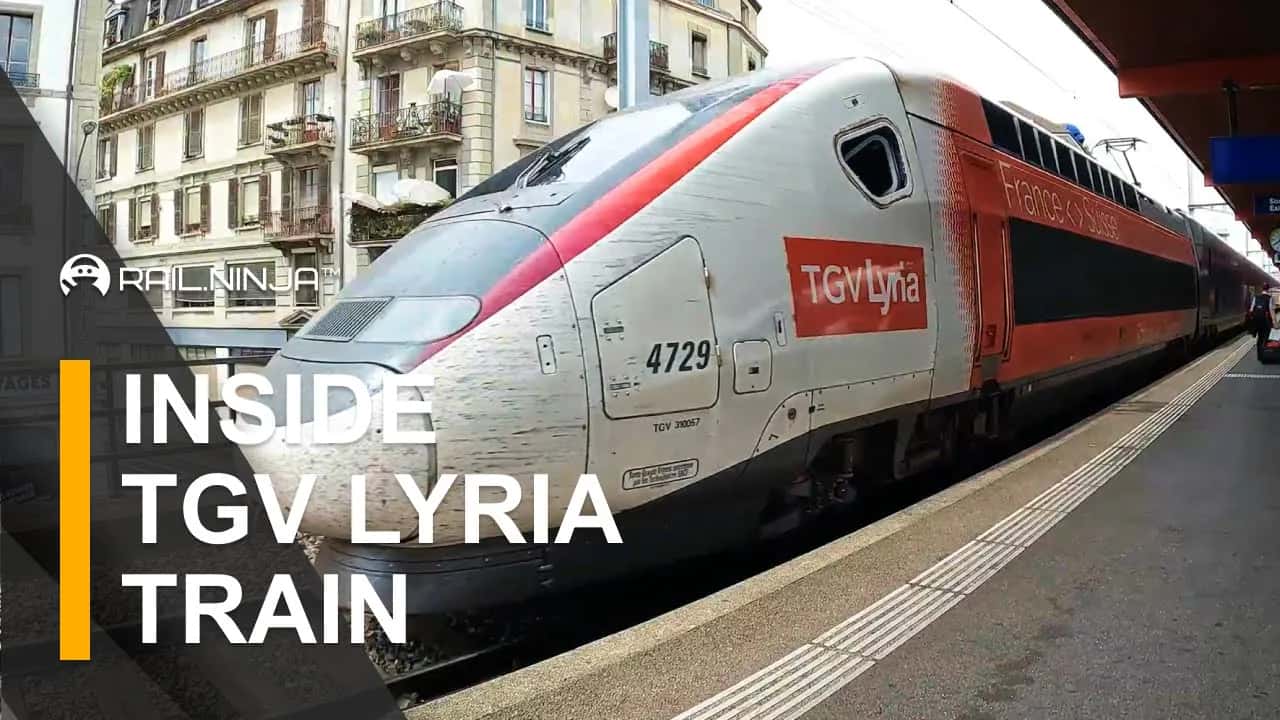
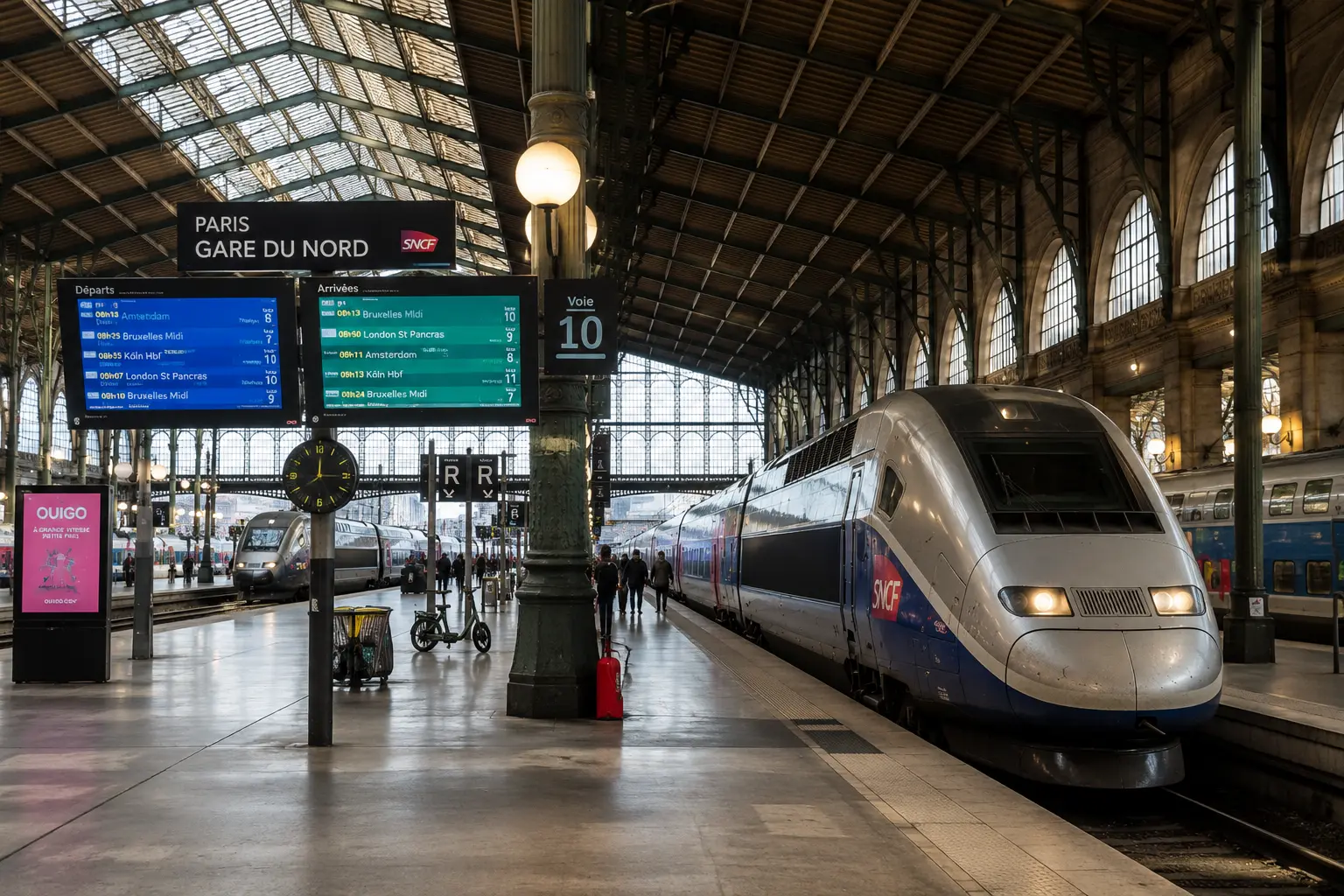
TER trains — Transport Express Régional — are the backbone of regional travel across France. TER regional trains connect smaller cities, towns, and villages that lie beyond the main TGV routes, making them essential for exploring rural France, wine regions, and coastal areas. TER regional trains are fully integrated into the French railways booking system and can be booked alongside TGV tickets in a single trip itinerary. Intercités trains serve long distance routes not covered by TGV high speed trains, linking cities across the country on conventional lines. These trains offer a comfortable alternative for travel on major routes where high speed services don't operate directly. Eurostar trains connect Paris with London via the Channel Tunnel — one of Europe's most popular international rail routes. These trains operate as cross border services and depart from Paris Gare du Nord, with a journey time of approximately 2 hours 17 minutes to London St Pancras. Eurostar trains are popular with business travellers, tourists, and commuters, and offer both standard and business premier classes with full onboard service. Book all French train types — from TGV and TER to Eurostar — in one place at highspeedtrains.com.
Popular questions
The TGV network connects Paris with Lyon, Bordeaux, Marseille, Nice, Strasbourg, and Rennes, making it the fastest way to travel between major cities. Most services depart from Gare de Lyon, Gare Montparnasse, or Gare du Nord depending on the direction. Paris to Lyon takes around 2 hours, Paris to Bordeaux around 2 hours — often faster than flying once airport time is included.
French trains cover a wide range of journey types. TGV high speed trains are the fastest option for long distance travel, reaching a maximum speed of 300 km/h on dedicated high speed lines. TGV Inoui is the premium train type, with first class and second class options, power sockets, and free WiFi. TER regional trains serve smaller towns and rural areas through regional services, while Intercités trains fill gaps on conventional routes. Eurostar operates international services between Paris and London. The vast majority of trains across the network are modern and comfortable for both leisure and business travellers.
Yes — tickets are available on the day of travel, but fares are almost always higher than booking ahead. Popular TGV departures can also sell out entirely before same-day travel. For cheaper tickets, book online through HighSpeedTrains as early as possible, since seats on high speed routes are released up to 90 days before the departure date. Checking train times in advance also helps you plan connections and avoid paying more for last-minute availability on busy corridors.
Yes — most TGV trains include dedicated wheelchair spaces, accessible toilets, and priority boarding. Many major train stations have step-free access and on-request assistance services. It's advisable to arrange any additional help at least 48 hours before departure. When booking through HighSpeedTrains, you can choose seats that best suit your needs at the time of purchase.
Head to the nearest ticket desk or information point at the station as soon as possible. Flexible fare types typically allow you to board the next departure toward your final destination on the same route without a penalty. Always check the conditions shown at the time of booking on HighSpeedTrains so you know exactly what applies. On most major routes, the next train departs within the hour from larger stations.
A Eurail global pass or France-specific rail pass is valid on most services across the French railway network, including TGV Inoui, TER regional trains, and Intercités. Seat reservation is still compulsory on TGV and Eurostar services, and reservation fees apply even with a pass. A global pass works well for multi-country rail travel across Europe, while a France rail pass suits those travelling extensively within the country. Book your reservations in advance through <a href="https://highspeedtrains.com/country/france-trains"><strong>HighSpeedTrains</strong></a> to lock in your preferred departure on busy routes.
Free WiFi is available on TGV Inoui trains and many Intercités services, connecting instantly without a password. Power sockets at every seat make it easy to work or charge devices throughout the journey. TER regional trains may not always offer WiFi or power sockets depending on the route and rolling stock. Business travellers on longer TGV routes will find the onboard setup — comfortable seating, connectivity, and power — well suited for staying productive.
Tickets on high speed TGV routes are typically released up to 90 days before the departure date. Booking early through HighSpeedTrains gives you the widest choice of departure times, seat positions, and fare options — and is the most reliable way to save money compared to buying closer to travel. The earlier you buy tickets, the more flexibility you have — particularly on busy routes like Paris to Lyon, Paris to Marseille, and Paris to Bordeaux. You'll receive an instant e-ticket on completion, accessible via the HighSpeedTrains app with no printing required.
On TGV Inoui trains, second class offers comfortable, spacious seating with power sockets and free WiFi — a solid choice for most journeys. First class provides wider seats, additional legroom, a quieter carriage, and at-seat service on select routes, making it well suited for business travellers or those wanting extra comfort on longer trips. Both classes have access to the onboard bar car.
Yes — France is exceptionally well connected internationally by rail. Eurostar trains link Paris with London through the Channel Tunnel in around 2 hours 17 minutes. International TGV trains run to Brussels, Amsterdam, Cologne, Geneva, Zurich, Barcelona, and Madrid — with Rail Europe connections extending the network further east and south. Journey times on many of these routes rival or beat short-haul flights. All international departures can be searched and booked through HighSpeedTrains, with e-tickets delivered instantly and seat selection available at the time of booking.
No — tickets booked through HighSpeedTrains are fully digital. Your e-ticket is delivered instantly by email and stored in the HighSpeedTrains app, ready to show on your phone at the station or on board. Your booking reference and passenger name are all that's needed for boarding. For group bookings, the lead passenger details entered at purchase will appear on the ticket — make sure these match the travel documents carried on the day. SNCF tickets and SNCF trains across the network accept digital tickets on the vast majority of services, so there's no need to print anything.
Charles de Gaulle Airport is directly connected to central Paris and the wider French railway network by rail. The RER B line runs from the airport to central Paris stations including Gare du Nord in around 25 minutes, giving direct access to Eurostar and TGV departures from the city centre. For onward high speed rail travel across France, Gare du Nord connects to the wider TGV network, making it straightforward to arrive at the airport and continue your journey by train without needing a taxi or transfer.
Yes — Disneyland Paris is served directly by rail at Marne-la-Vallée Chessy station, making it one of the easiest theme park arrivals in Europe. The RER A line connects central Paris to Marne-la-Vallée in around 40 minutes, running frequently throughout the day. TGV trains also stop at Marne-la-Vallée directly, meaning visitors from other parts of France and from across Europe can travel to Disneyland Paris by train without passing through the city centre at all. This makes it a practical option for families travelling from the south east of France, from the UK via Eurostar, or from other European countries.
French trains do not enforce a strict baggage weight limit, but passengers are expected to manage their own hand luggage and store it in overhead racks or the dedicated areas at the ends of carriages. Most TGV trains have generous storage space, and standard travel luggage fits comfortably on domestic routes. Oversized or hazardous items are not permitted on board. For regional services and TER trains, storage space may be more limited depending on the train type, so travelling with compact luggage is advisable on shorter journeys.