
Gyeongju to Busan Trains
Gyeongju to Busan Trains
Embark on a mesmerizing odyssey along the vibrant Gyeongju to Busan railway route, immersing yourself in the epitome of convenience aboard the high-speed train. This unparalleled travel experience ensures a seamless and swift connection between these South Korean gems, revolutionizing the landscape of rail travel. The Gyeongju to Busan train route not only masterfully covers the distance but also establishes new standards in efficiency and connectivity. Traverse the picturesque journey from Gyeongju to Busan, indulging in the modern luxury of high-speed rail travel with panoramic vistas. Stay informed about the train schedule, allowing for meticulous planning and an expedition defined by speed and seamless connectivity. The Gyeongju to Busan train beckons, promising an extraordinary voyage that transcends traditional travel norms, embodying the future of efficient and connected rail transit.
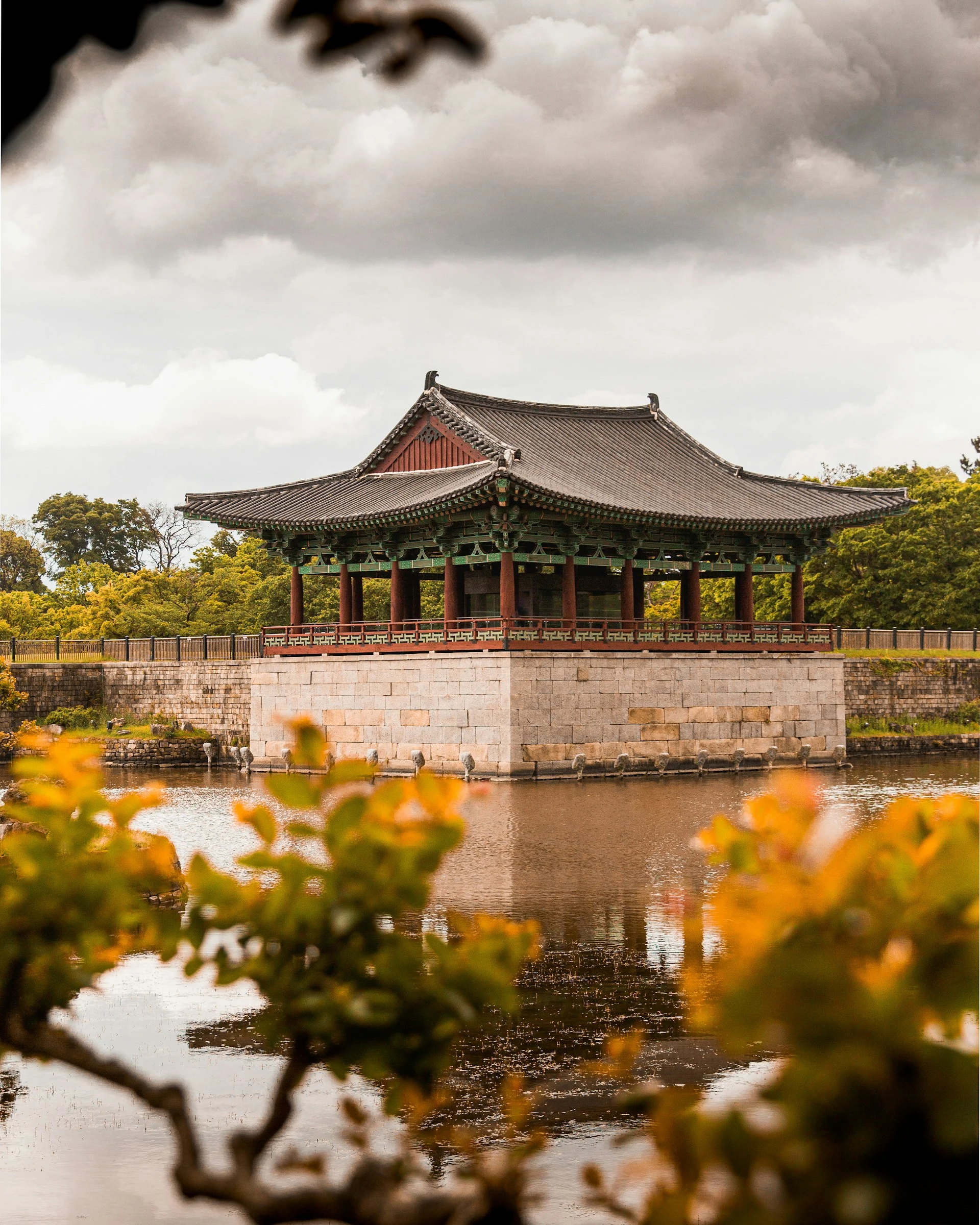

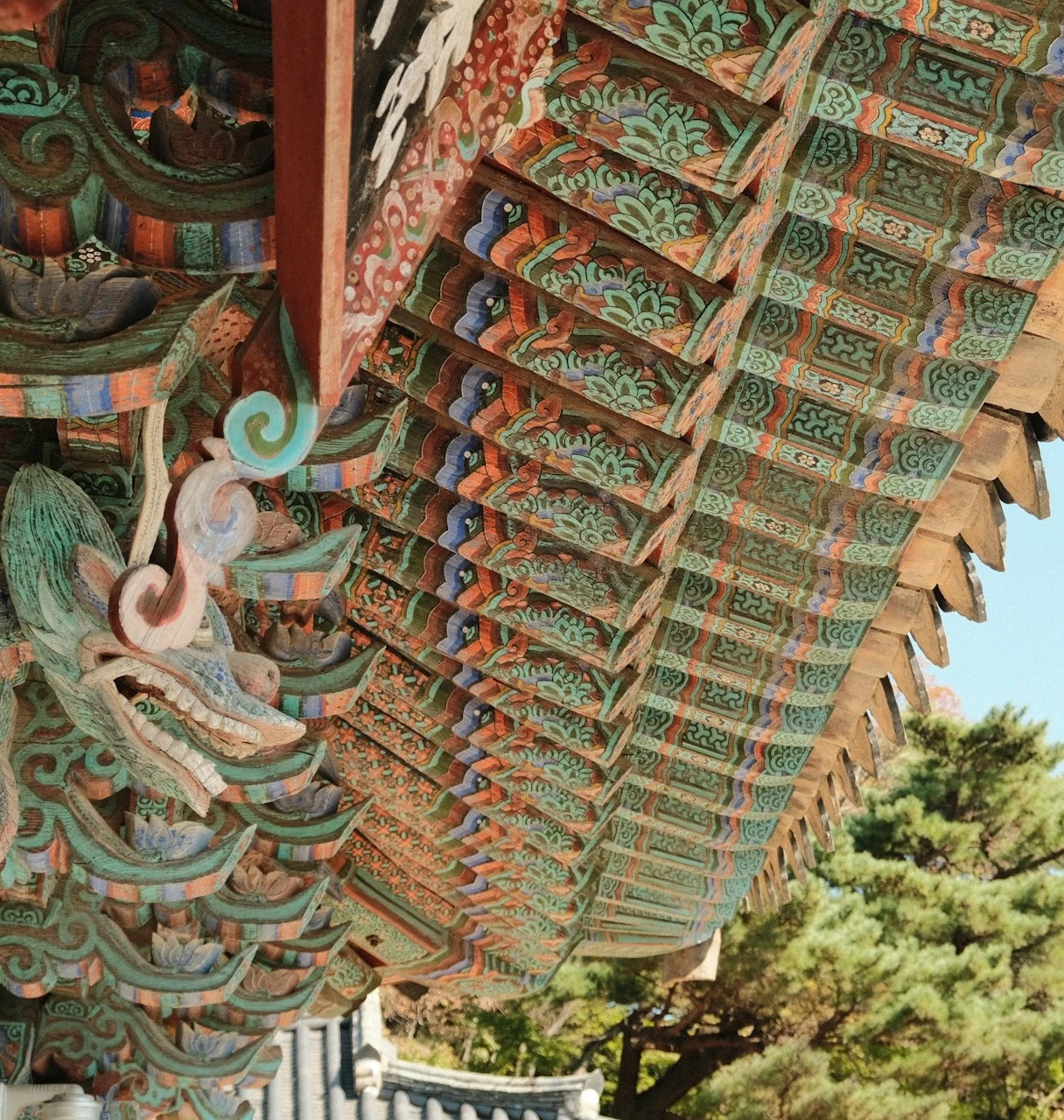
The distance from Gyeongju to Busan by train is approximately 60 kilometres (around 37 miles), making it a short and straightforward intercity connection in the southeast of South Korea. Despite the relatively modest distance, the train is by far the most practical way to travel between the two cities, offering a faster and more predictable journey than the bus or private car, both of which are subject to road traffic and congestion on the approach to Busan. The route passes through some of the most historically and scenically interesting parts of the Korean peninsula, and the ease of the journey makes it a natural choice for travellers combining a visit to Gyeongju's ancient sites with time in Busan's coastal neighbourhoods. For anyone exploring the southeast of South Korea, the Gyeongju to Busan train is an essential and effortless connection.
The Gyeongju to Busan train journey takes approximately 35 to 50 minutes depending on the type of service and the number of intermediate stops. Mugunghwa-ho and ITX-Saemaeul express trains both serve this corridor, with the faster express services completing the route more quickly and offering a higher level of onboard comfort. Given the short distance involved, even the slower regional services keep journey times well under an hour, making this one of the quickest and easiest intercity connections in the region. The brief travel time means that day trips between the two cities are entirely practical, and many visitors to Gyeongju choose to base themselves in Busan and travel up for the day, or vice versa.
Most travellers taking the Gyeongju to Busan train depart from Gyeongju Station, which is the city's main rail terminal and the most centrally located option for visitors exploring the historic sites in and around the city centre. Gyeongju Station is well connected to the surrounding area by local bus and taxi, and its central position makes it a convenient starting point for the journey south to Busan. It is worth noting that some high-speed KTX services in the broader region use Singyeongju Station rather than the central Gyeongju Station, so travellers should confirm which station their chosen service departs from when booking. In Busan, most services on this route arrive at Busan Station, which is located in the city centre and connected to the Busan Metro network, making onward travel to other parts of the city simple and direct.
Direct KTX high-speed services do not typically run between Gyeongju Station and Busan, as the KTX network in this area primarily serves Singyeongju Station, which is located some distance outside the city centre. Travellers wishing to use the KTX should factor in the additional time and effort required to reach Singyeongju Station, which may offset the time saved on the high-speed leg of the journey. For most visitors, the conventional express services such as the ITX-Saemaeul or Mugunghwa-ho trains departing from central Gyeongju Station offer a more practical and equally fast overall journey to Busan given the short distance involved. That said, travellers connecting from other destinations on the KTX network may find Singyeongju a useful interchange point.
The Gyeongju to Busan train is an excellent option for a day trip in either direction, and the short journey time of under an hour makes it one of the most accessible excursions available to visitors in the southeast of South Korea. Gyeongju, often referred to as the museum without walls, is home to a remarkable concentration of Silla dynasty heritage including royal tombs, ancient temples, and UNESCO-listed historic sites, all of which can be explored comfortably within a single day. Busan, meanwhile, offers an entirely different experience, with its famous beaches, seafood markets, colourful hillside neighbourhoods, and vibrant street food scene providing a compelling contrast to Gyeongju's historic calm. The frequency of trains between the two cities means there is no need to rush, and travellers can choose a return service that suits the pace of their day without being locked into a rigid schedule.