
History and the Station Name Change
Gyeongju Station is the city's main railway station on South Korea's high-speed rail network, though its history is a little more layered than the name suggests. The station operating today was originally opened in 2010 as Singyeongju (New Gyeongju) Station, built specifically to serve KTX high-speed trains outside the historic city centre. It was renamed Gyeongju Station in 2021, after the original, much older Gyeongju Station — which had operated since 1918 — closed permanently in December 2021.
The original Gyeongju Station opened all the way back in 1918, serving conventional rail lines for over a century before its closure in December 2021. Meanwhile, Singyeongju Station opened in 2010 specifically to handle high-speed KTX trains, since the older station and its conventional tracks weren't suited to high-speed rail infrastructure. Once the historic Gyeongju Station closed in 2021, Singyeongju Station was renamed Gyeongju Station, effectively passing the city's traditional station name on to the newer high-speed facility. This is why travelers researching "Gyeongju Station" today are, in nearly all cases, actually looking for what used to be called Singyeongju Station — a genuinely common point of confusion worth understanding before booking a ticket.
The station's architectural design incorporates traditional Gyeongju elements, including Bulguksa-inspired forms, giving the modern high-speed terminal a visual connection to the city's historic identity in Hwacheon-ri and beyond.
Trains and Rail Connections
Located in Geoncheon-eup, Gyeongsangbuk-do (North Gyeongsang, South Korea), about 10 kilometres from Gyeongju's historic city centre, Gyeongju Station has 2 platforms and 6 tracks, with over 10 KTX trains operating daily connecting the city to Seoul, Busan, and other major cities across South Korea.
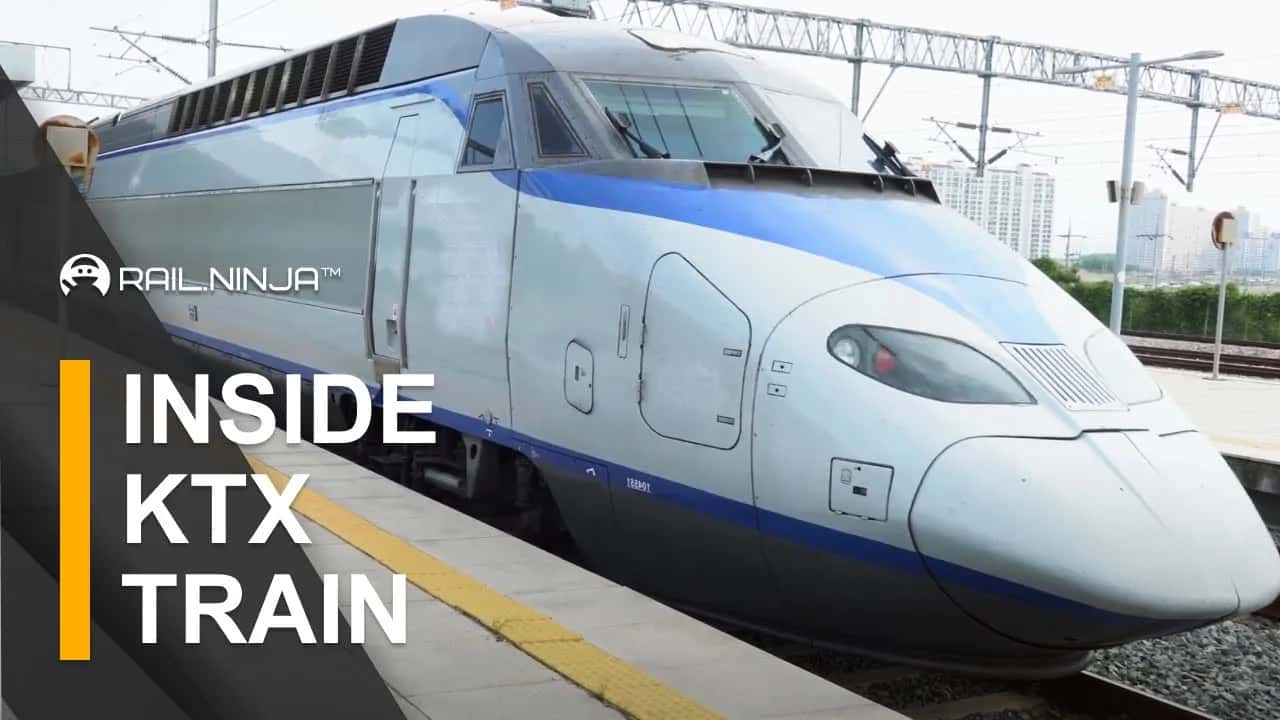
Gyeongju Station operates over 10 KTX high speed trains daily, connecting seoul to Gyeongju and onward to Busan and other major cities across South Korea. The distance from Seoul to Gyeongju is approximately 370 kilometres, with KTX trains covering the journey in about 2 hours — making Gyeongju Station a genuinely convenient starting point for exploring the region without needing to fly or drive.
As part of South Korea's high speed ktx trains network, Gyeongju Station offers fast connections and efficient transport hubs linking the city to Seoul, Busan, and beyond, with SRT high speed railway services also reaching the station on select routes.
Address
Singyeongju Station, Hwacheon-ri, Geoncheon-eup, Gyeongju, North Gyeongsang South Korea, Gyeongju, South Korea
Popular questions
Gyeongju Station is the city's main railway station on the high-speed rail network. Opened in 2010, it is located in Geoncheon-eup, about 10–15 km from Gyeongju's historic city center.
15–20 minutes before departure is usually sufficient.
Coin lockers are generally available, although availability and sizes may vary. During busy seasons, larger lockers can fill quickly.
Yes, in practical terms. The station now called Gyeongju Station opened in 2010 as Singyeongju (New Gyeongju) Station, and was renamed Gyeongju Station in 2021 after the original, historic Gyeongju Station — which had operated since 1918 — closed permanently. Any reference to "Singyeongju Station" today refers to the same building as the current Gyeongju Station.
Yes, Gyeongju Station in South Korea includes multi-language ticketing kiosks and a tourist information center, along with full accessibility features, making it manageable for international visitors even without Korean language skills.
Gyeongju Station functions as both — it's the city's main train station and specifically serves KTX high-speed trains, having originally opened as Singyeongju Station for that exact purpose in 2010.
Gyeongju Station is located in Geoncheon-eup, within Gyeongsangbuk-do (North Gyeongsang), South Korea, about 10 kilometres from Gyeongju's historic city centre.
Travel time from Seoul to Gyeongju is about 2 hours by KTX, covering a distance of approximately 370 kilometres between the two cities.
The fastest way to travel between Gyeongju and Seoul is by KTX high-speed train, which covers the roughly 370-kilometre distance in about 2 hours, considerably faster than driving or taking a conventional train.
Gyeongju World, a theme park in the city, is one of several attractions in the wider Gyeongju area, though it's separate from the historic sites like Bulguksa Temple and the Daereungwon Tomb Complex closer to downtown. Local buses and taxis from Gyeongju Station can help reach either type of destination depending on your itinerary.
Hwacheon-ri is one of the areas near Gyeongju Station whose traditional character helped inspire elements of the station's architectural design, which incorporates Bulguksa-inspired forms to connect the modern terminal with Gyeongju's historic identity.
Yes, a bus station area sits close to Gyeongju train station, and a direct bus service connects the station to downtown Gyeongju without requiring a transfer. This gives travelers a straightforward alternative to a taxi for reaching the historic city centre.
Gyeongju Station itself isn't part of Seoul's subway network, but travelers arriving from Seoul typically start their journey at Seoul Station, connecting onward via KTX to Gyeongju. Suseo train station is another departure point in Seoul for SRT high-speed railway services heading toward Gyeongju.
A train ticket can be booked online or at the station, and booking in advance for your specific travel date is generally the cheapest way to secure a good fare, especially during busier travel periods. Walk-up tickets are available too, though prices and seat availability can vary closer to departure.
Gyeongju Station isn't among South Korea's busiest stations by passenger volume compared to larger stations like Seoul Station, but it functions as a dedicated terminal specifically built to serve KTX high-speed rail passengers heading to Gyeongju Si and the surrounding area.
Beyond the well-known tourist attractions like Bulguksa Temple and the Daereungwon Tomb Complex, Gyeongju's more dynamic districts near downtown offer restaurants, shops, and modern amenities for travelers who want a mix of history and everyday city life during their stay.
Yes, Gyeongju Station features sleek architecture and modern amenities, including spacious interiors and clear signage throughout, offering a streamlined alternative to the older, more traditional station it replaced. Featuring sleek architecture inspired by Bulguksa Temple, the building blends contemporary design with the city's historic identity.
The Donghae Line runs along Korea's east coast and offers seamless links to towns near Gyeongju, giving travelers additional transport options beyond the KTX network for exploring the wider region.
Gyeongju Station offers a comfortable atmosphere with easy access throughout the building, and clear signage helps passengers arriving from Seoul, Busan, or elsewhere find their way to buses, taxis, or connecting transport options without confusion.
There's no subway directly serving Gyeongju Station, but parking for a car is available nearby for travelers arriving by road rather than by train, and taxis remain a convenient option for the final stretch into downtown Gyeongju.
Yes, a station map is available both on-site and through Korail's app, helping arriving passengers find their way to buses, taxis, or the small supermarket and shops. Traffic near the station is generally manageable outside of peak departure times, though staying close to the schedule for your specific train helps avoid unnecessary waiting.
Numerous trains make the trips between Seoul and Gyeongju daily, with KTX trains departing at regular intervals throughout the day. Passengers transporting themselves between the two cities have plenty of departure times to choose from, whether they're catching an early train or a later one to fit their itinerary.
Seoul's subway network (also referred to simply as the seoul subway network) doesn't extend directly to Gyeongju, so travelers connecting from areas like Yongsan-gu (Yongsan gu) typically take the subway to Seoul Station or Suseo first, then transfer to a KTX or SRT service. For the fastest trip, gyeongju seoul travel generally means booking a direct KTX from Seoul Station, since transportation options involving multiple transfers tend to add unnecessary time.
For anyone comparing distance and journey options, the roughly 370-kilometre distance between Seoul and Gyeongju can be covered by several different types of trains throughout the day — early trains, midday trains, and evening trains all run on a fairly consistent schedule. Booking tickets in advance for any of these trains helps guarantee a seat, since trains connecting Seoul and Gyeongju do fill up during peak periods, and last-minute tickets aren't always guaranteed on the busiest trains.
Local buses operate frequently between Gyeongju Station and the downtown area, connecting the station to the historic city centre in 30 to 40 minutes. Taxis are also available outside Gyeongju Station and provide direct rides to downtown for travelers who'd rather skip the bus.
Gyeongju's historic sites are well worth the short trip from the station. Bulguksa Temple, a UNESCO World Heritage site, is located east of downtown Gyeongju, while Cheomseongdae Observatory is recognized as Asia's oldest surviving astronomical observatory. The Daereungwon Tomb Complex features royal burial mounds from the Silla Dynasty, giving visitors a direct connection to Gyeongju's role as the ancient capital of the Silla kingdom.