
Kyoto to Hiroshima Trains
Kyoto to Hiroshima Trains
Explore the historic route from Kyoto to Hiroshima on a high-speed train. The distance between these two Japanese cities is approximately 380 km. Whether you're admiring Kyoto's ancient temples or visiting Hiroshima's Atomic Bomb Dome, this train route provides an efficient and enjoyable travel experience. Book your Kyoto to Hiroshima train tickets today and discover the wonders of Japan.
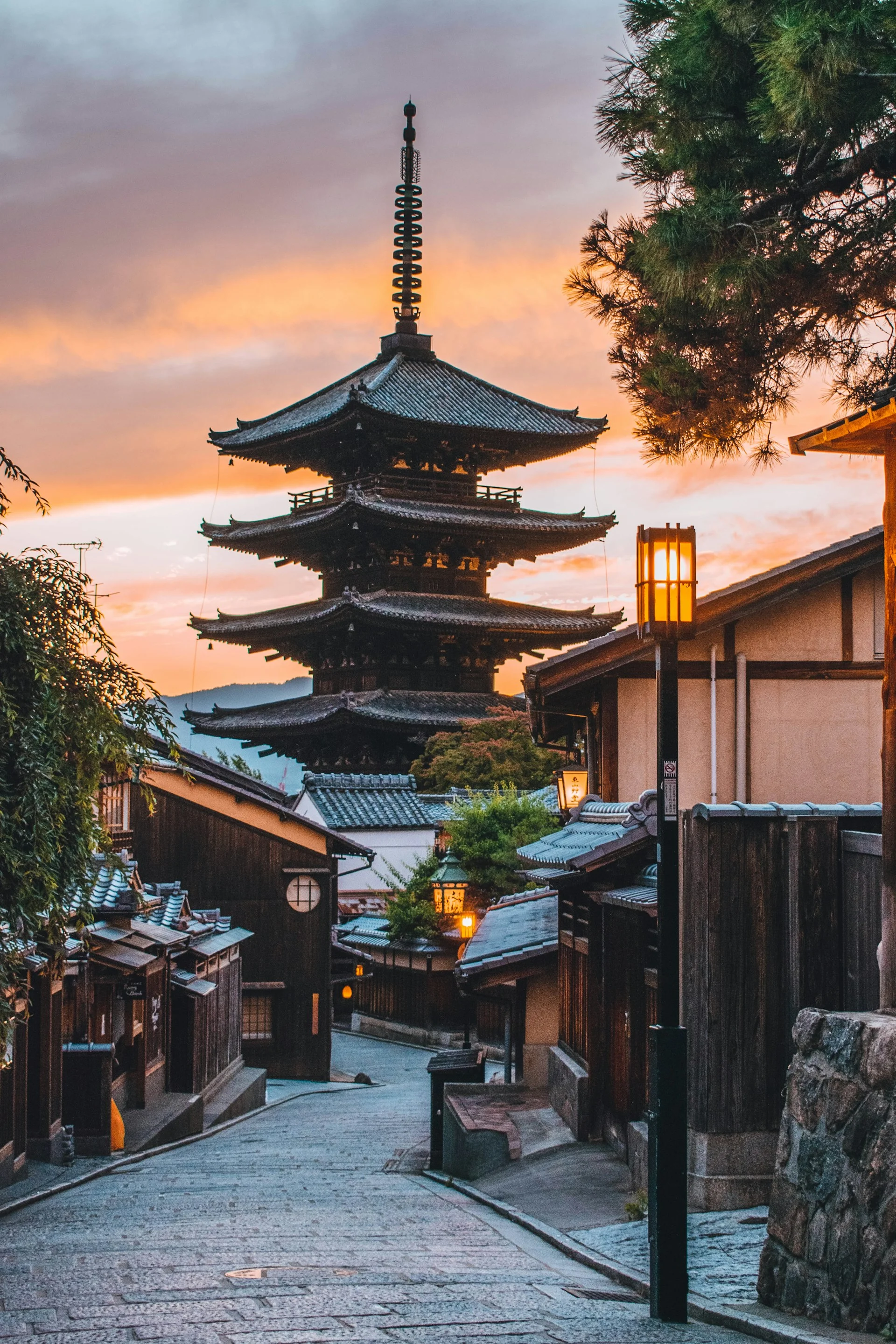
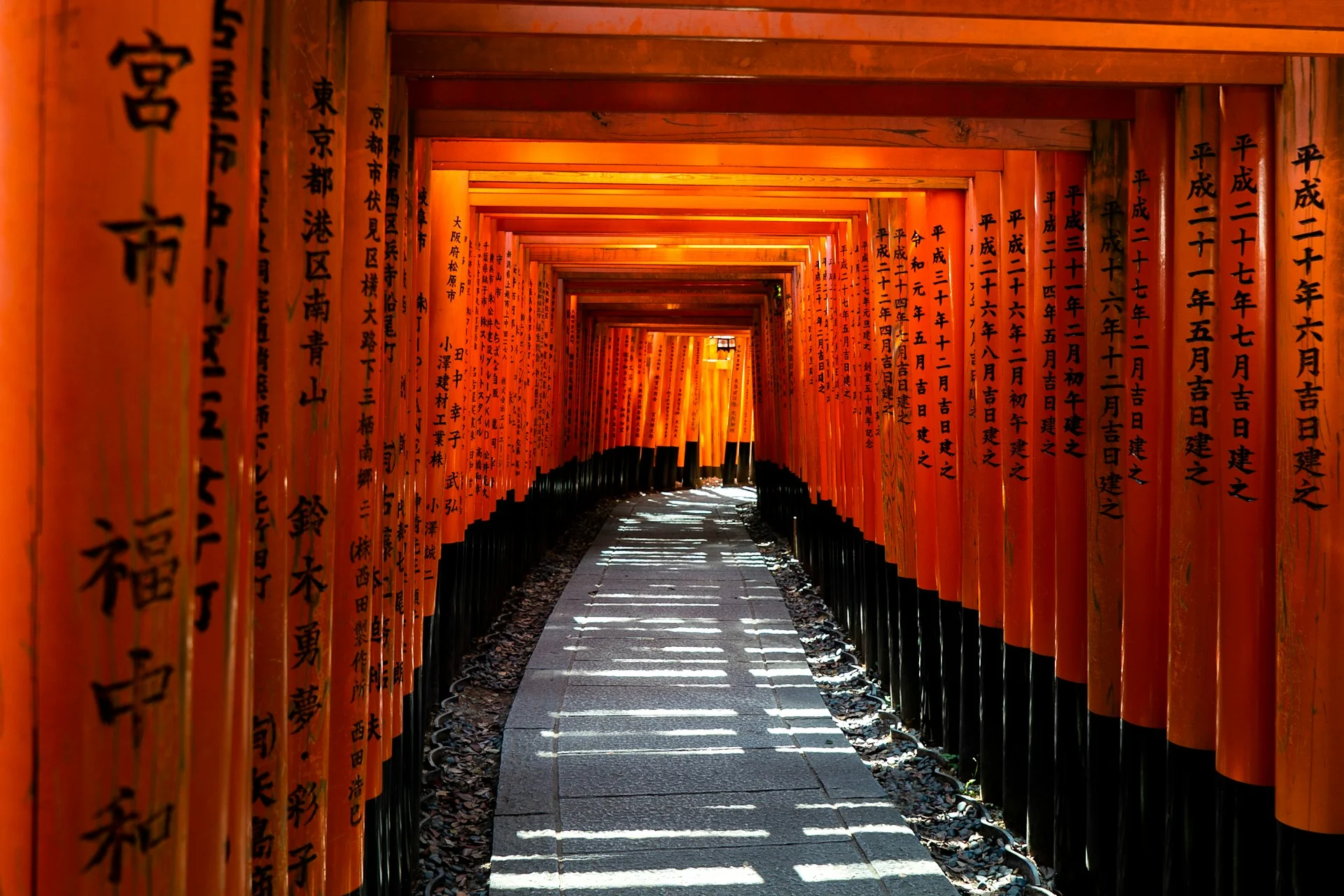
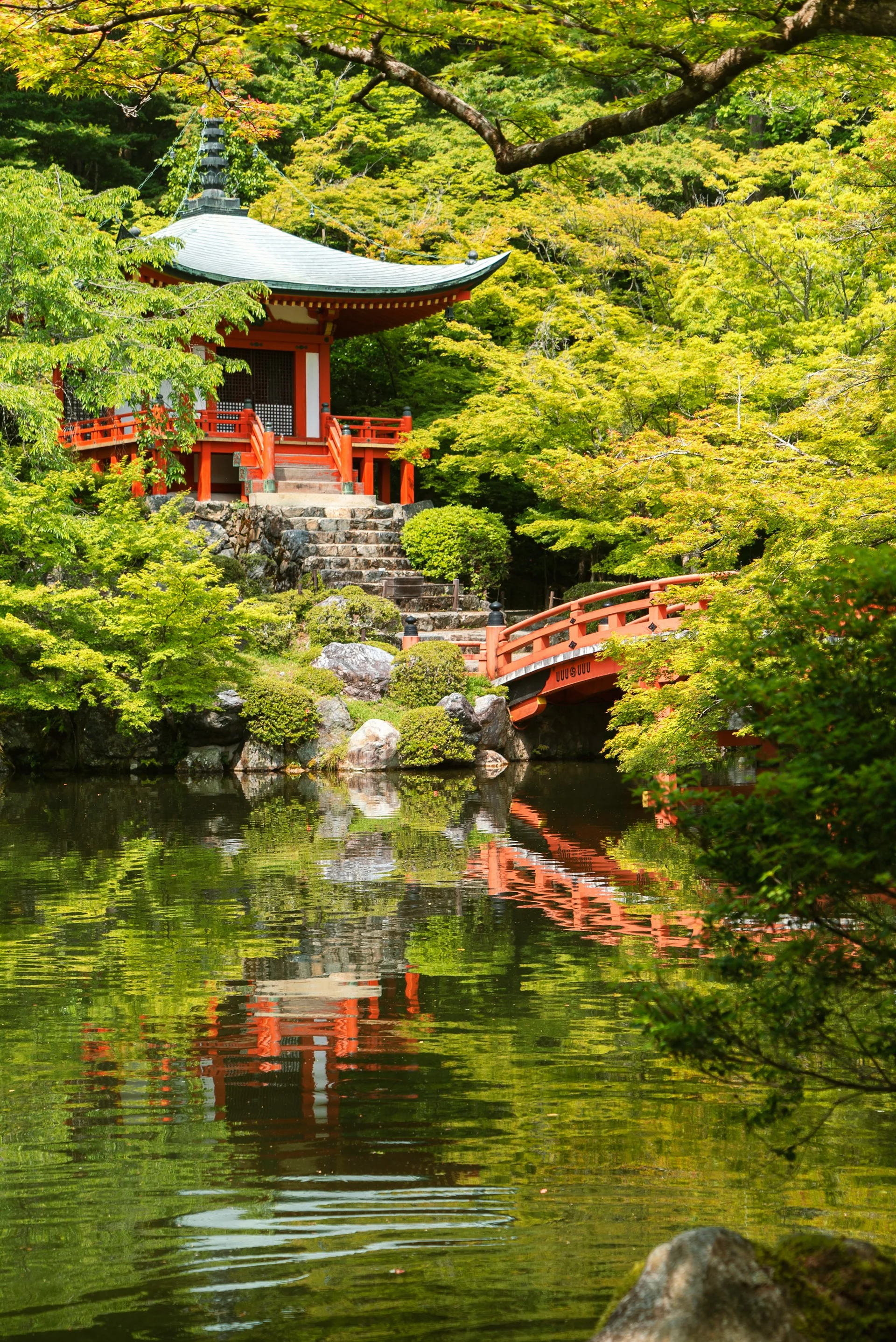
The distance from Kyoto to Hiroshima by train is approximately 365 kilometres (around 227 miles), linking two of the most historically and culturally significant cities in Japan along the Sanyo and Tokaido Shinkansen corridors. Despite the considerable distance, the bullet train makes this journey feel remarkably short, and the connection between Japan's ancient imperial capital and the city most associated with the defining moment of the twentieth century is one of the most meaningful and rewarding intercity journeys the country has to offer. Driving the same route would take around 3 hours and 30 minutes under ideal conditions, with expressway tolls and urban congestion adding both cost and stress to the journey. For visitors exploring the western Honshu region of Japan on a broader itinerary, the Kyoto to Hiroshima train sits at the heart of one of the country's most compelling travel corridors, placing an extraordinary range of destinations within easy and comfortable reach.
The fastest Kyoto to Hiroshima trains are the Nozomi Shinkansen services, which complete the journey in approximately 1 hour and 20 minutes, a travel time that continues to astonish even seasoned rail travellers given the distance involved. The Hikari Shinkansen, which is fully covered by the Japan Rail Pass and makes a modest number of additional stops, completes the same journey in around 1 hour and 40 minutes, representing only a minor difference in travel time for pass holders. The Kodama Shinkansen also operates on this corridor but stops at every station along the route, resulting in a journey time of over 3 hours that the vast majority of travellers on this route have little reason to choose. Regardless of which service is taken, the ride quality throughout is exceptional, with the characteristic smoothness, quietness, and punctuality of the Shinkansen network delivering a travel experience that remains the benchmark against which high-speed rail anywhere in the world is measured.
All Shinkansen services on the Kyoto to Hiroshima route depart from Kyoto Station, which is the city's central rail terminal and one of the largest and most architecturally dramatic railway stations in Japan. The station building itself is a striking piece of contemporary architecture, featuring a vast glass and steel atrium that contrasts boldly with the ancient temples and traditional streetscapes for which Kyoto is celebrated, and it houses an extensive array of shops, restaurants, a hotel, and a department store across its many floors. Kyoto Station is located in the southern part of the city centre and is well served by the Kyoto Municipal Subway, city bus network, and taxi services, making it accessible from virtually every major sight and neighbourhood in the city. In Hiroshima, Shinkansen services arrive at Hiroshima Station, the city's main terminal, from where the iconic street tram network provides a direct and atmospheric connection to the Peace Memorial Park, the city centre, and the ferry terminal for Miyajima Island.
For travellers holding a Japan Rail Pass, the Kyoto to Hiroshima journey on Hikari Shinkansen services is fully covered with no additional payment required, making it one of the most straightforward and valuable legs of a Japan Rail Pass itinerary. The Nozomi Shinkansen, which is the fastest service on this route, is not included in the standard Japan Rail Pass and requires a separate surcharge, but given that the Hikari is only around 20 minutes slower on this particular corridor, most pass holders will find little practical reason to pay the supplement. Travellers not holding a Japan Rail Pass can purchase individual Shinkansen tickets at station ticket machines or through online booking platforms, and while the walk-up fare is a meaningful expense, the speed and comfort of the journey make it strong value when set against the alternatives. For visitors planning a multi-city itinerary that includes Tokyo, Kyoto, Hiroshima, and other major destinations, a Japan Rail Pass will almost certainly pay for itself across the full journey and is worth calculating carefully before departure.
The Kyoto to Hiroshima Shinkansen corridor sits at the very centre of one of the most rewarding travel regions in Japan, and using the train to move between these two cities opens up an exceptional range of destinations along the way and within easy reach on either side. Kyoto itself requires days rather than hours to do justice to its extraordinary concentration of temples, shrines, traditional gardens, geisha districts, and imperial heritage, and many visitors find themselves returning repeatedly as each season reveals the city in an entirely new light. Between Kyoto and Hiroshima, the Shinkansen passes through or near Osaka, Kobe, and Himeji, the last of which is home to Japan's finest surviving feudal castle, a UNESCO World Heritage site reachable as an effortless stop on the journey west. Hiroshima anchors the western end of the corridor with its deeply moving Peace Memorial Park and Museum, while the short ferry crossing to Miyajima Island and its celebrated floating torii gate provides one of the most iconic visual experiences in the country. Travelling this corridor by Shinkansen is not simply a matter of getting from one place to another but an immersion in the historical and cultural depth that makes Japan one of the world's most extraordinary travel destinations.