
The History of Hiroshima Station
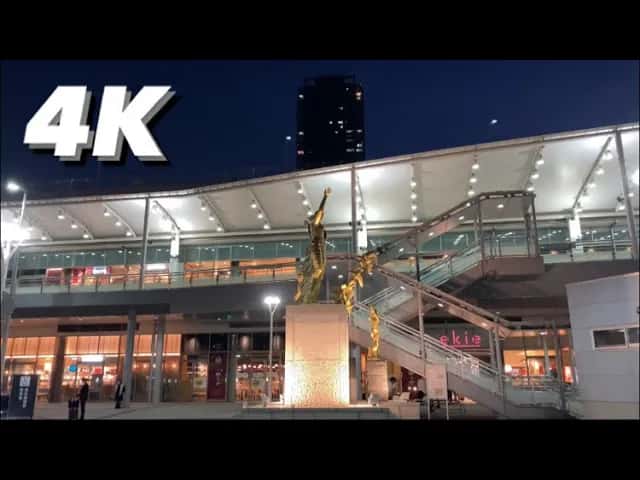
Hiroshima Station is the main gateway to Hiroshima City and Hiroshima Prefecture, serving as a major regional transportation hub in western Japan. The newly rebuilt station building, which fully opened on March 24, 2025, is a striking 20-story complex that combines Shinkansen and local rail platforms with shopping floors, dining, and the integrated minamoa shopping complex — all connected with multilingual signage in English, Chinese, and Korean to help foreign visitors find their way around.
Hiroshima Station connects to the Sanyo Shinkansen line, as well as local JR lines including the Sanyo Main Line, the Kure Line, the Kabe Line, and the Geibi Line, making it easy to reach destinations across Hiroshima Prefecture and beyond. Free Wi-Fi is available throughout the station, and coin lockers of various sizes are provided for luggage storage near the main concourse level.
Hiroshima Station has a history closely tied to the city itself. The original station building was completely destroyed on August 6, 1945, by the atomic bomb, yet remarkably, Hiroshima Station resumed operations within days of the bombing, playing a critical early role in the city's recovery. The station was rebuilt in the decades that followed, and in 2025 a new station complex opened, replacing the older building with a modern 20-story structure and additional shopping floors.
Hiroshima Peace Memorial Park is about 15 minutes away by streetcar from Hiroshima Station, home to the Hiroshima Peace Memorial Museum, the Peace Flame, and the Atomic Bomb Dome — a UNESCO World Heritage Site and one of the most visited memorials in Japan. Hiroshima Castle, sometimes called Carp Castle, is around 25 minutes away by streetcar, while Shukkeien Garden is just a 15-minute walk from the station for those who prefer to explore on foot.
Sports fans can reach MAZDA Zoom-Zoom Stadium in about 10 minutes on foot from Hiroshima Station, and for those continuing their trip, Miyajima Island — home to the famous floating torii gate — is accessible via a 25 to 28-minute train ride from the station.
Shinkansen and Train Services at Hiroshima Station
Hiroshima Station is a major stop on the Sanyo Shinkansen, part of the wider Tokaido-Sanyo Shinkansen corridor connecting Tokyo, Osaka, Kyoto, and other major cities across Japan. However, the standard nationwide Japan Rail Pass does not cover the fastest Nozomi or Mizuho trains — JR Pass holders must use the Hikari or Sakura services instead, which stop more frequently but remain fully covered by the pass. Boarding a Nozomi with the wrong pass will result in the conductor demanding full cash payment for the fare.
Beyond the Shinkansen platforms, JR West operates local trains from Hiroshima Station on the Sanyo Main Line and Kure Line, along with the Kabe Line and Geibi Line further out. The station has two main exits — the north exit and the south exit — with a newer south entrance added as part of the 2025 rebuild, alongside a dedicated Shinkansen entrance leading directly to the Shinkansen platforms on the upper floors of the building.
Hiroshima Station is certified as a Category 3 Tourist Information Center, and the on-site Tourist Information Center offers assistance in multiple languages for foreign visitors planning their trip. International ATMs at the station accept most foreign cards, and free Wi-Fi (as well as pocket Wi-Fi rental options) is available throughout the building for anyone needing modern amenities during their stay.
Hiroshima Station is certified as a Category 3 Tourist Information Center, and the on-site Tourist Information Center offers assistance in multiple languages for foreign visitors planning their trip. International ATMs at the station accept most foreign cards, and free Wi-Fi (as well as pocket Wi-Fi rental options) is available throughout the building for anyone needing modern amenities during their stay.
Address
2-37 Matsubara-cho, Minami-ku, Hiroshima, Japan
Popular questions
Hiroshima Station is a major stop on the Tokaido-Sanyo Shinkansen. However, the standard nationwide Japan Rail Pass does not cover the fastest Nozomi or Mizuho trains — JR Pass holders must use the Hikari or Sakura services, which stop more frequently and take longer. Boarding a Nozomi with the wrong pass will result in the conductor demanding full cash payment for the fare.
The Meipuru-pu sightseeing loop bus connects Hiroshima Station with the main sightseeing spots across four different coloured routes, with a day pass costing 400 yen. Hiroshima's streetcar network (Hiroden) also serves the station on lines 1, 2, 5, and 6, offering affordable connections throughout the city.
From Hiroshima Station, take the JR Sanyo Line to Miyajimaguchi Station — a 30-minute journey costing 420 yen and covered by the JR Pass — followed by a short walk to the ferry terminal. The local Hiroden tram (route 2) is an alternative, taking up to an hour but convenient if you are already staying in the downtown area.
Airport buses run between Hiroshima Airport and Hiroshima Station, taking around 45 minutes depending on traffic. This is generally the most convenient option for travelers arriving by air, since the airport itself is not directly served by train.
The Hiroshima Peace Memorial Museum sits within Hiroshima Peace Memorial Park, which is about 15 minutes from Hiroshima Station by streetcar. The museum, along with the nearby Peace Flame and Atomic Bomb Dome, forms the heart of the park.
The Atomic Bomb Dome, a UNESCO World Heritage Site, is reachable in around 15 minutes by streetcar from Hiroshima Station, on the same Hiroden lines that serve Peace Memorial Park. It stands as a preserved reminder of the atomic bomb that destroyed the original Hiroshima Station building on August 6, 1945.
Hiroshima City has rebuilt extensively since 1945, and the area around Hiroshima Station now includes an entertainment district, shopping floors, and dining options alongside the station's own minamoa complex, making it a convenient base for exploring both the city and wider Hiroshima Prefecture.
Yes — with connections to the Sanyo Shinkansen, local JR lines, highway buses, and Hiroden trams, Hiroshima Station makes an efficient hub for day trips across Hiroshima Prefecture, from Miyajima Island to smaller towns served by the Kure and Geibi lines.
"Hiroshima Station Shinkansen" generally refers to the shinkansen platforms located on the upper floors of the station, accessible via a dedicated shinkansen entrance separate from the local train concourse. Clear multilingual signage guides travelers from the north exit or south exit toward the correct platforms.
Not necessarily, but a Japan Rail Pass can offer good value if you're travelling widely around Japan, since it covers the Hikari and Sakura shinkansen services stopping at Hiroshima Station, as well as many local JR lines. It does not cover the faster Nozomi or Mizuho trains.
Yes, Hiroshima Castle (also known as Carp Castle) is around 25 minutes from Hiroshima Station by streetcar and makes for a worthwhile half-day trip, combining historical interest with pleasant grounds near the city centre.
Hiroshima Ekimae Market, located just outside Hiroshima Station, offers fresh local fish and produce, giving visitors and locals alike a more traditional market shopping experience alongside the modern retail floors inside the station itself.
The original Hiroshima Station was completely destroyed on August 6, 1945, when the atomic bomb was dropped on the city. Remarkably, the station resumed operations within days, becoming an important part of Hiroshima's early recovery effort before eventually being rebuilt into the modern complex seen today.
Yes, Hotel Granvia Hiroshima offers direct access to Hiroshima Station, allowing guests to move between the hotel and the station's platforms, shopping floors, and dining options without stepping outside.
Yes, JR Hiroshima Station and Hiroshima Station refer to the same building. JR West operates the station, and the "JR" prefix simply reflects the operating company's name rather than indicating a separate or different station.
The history Hiroshima Station carries is closely tied to the city itself, but it's the events of August 6, 1945, that define the station's most well-known chapter: the original building was completely destroyed that day, yet Hiroshima Station resumed operations within days, playing a critical role in the city's early recovery. Anyone researching the history Hiroshima Station has been through will find a story of near-total destruction followed by decades of rebuilding, culminating in the fully modern Hiroshima Station Shinkansen complex that opened in 2025, complete with new Hiroshima Station Shinkansen platforms and a rebuilt Hiroshima Station Shinkansen entrance.
Yes — many travelers choose to visit Hiroshima Station simply for its shopping, dining, and the minamoa complex, even without a train to catch. If you visit Hiroshima Station on a layover between shinkansen connections, you'll find enough restaurants, shops, and things to see to fill an hour or more before your next train, and the station itself has become one of Hiroshima City's notable destinations in its own right.
Hiroshima Station is located in Minami Ku (Minami Ward), on the eastern side of Hiroshima City in Hiroshima Prefecture, Japan. Minami Ku Hiroshima is one of the city's central wards, and the station's main concourse sits on the second floor, with Shinkansen platforms rising toward the top floor of the building and local JR platforms accessible from the north side. The station has two exits in addition to the newer south entrance, giving easy access to the surrounding streets from multiple directions of Minami Ku Hiroshima and beyond, throughout Minami Ku Hiroshima's busy commercial area.
The Tourist Information Center at Hiroshima Station is certified as a Category 3 Tourist Information Center, one of the highest classifications available in Japan. This Tourist Information Center offers assistance in English, Chinese, Korean, and other languages, and staff at the Tourist Information Center can help with maps, accommodation questions, and transport tickets for onward travel. The Tourist Information Center also provides general tourist information on nearby attractions such as Peace Memorial Park and Miyajima, and a second Tourist Information Center desk is located near the Shinkansen concourse for travelers who need last-minute tourist information before boarding. Printed guides and digital kiosks offering tourist information are also available throughout the building in addition to the staffed Tourist Information Center counters, and pocket wifi rental information can usually be picked up at the same Tourist Information Center desks.
Yes. Hiroshima Station offers excellent Shinkansen connections to major cities including Tokyo, Osaka, and Kyoto via the Sanyo Shinkansen and the wider Tokaido-Sanyo Shinkansen network. A train from Hiroshima Station to Kyoto or Osaka typically takes under two hours, while reaching Tokyo by train takes roughly four hours depending on the Shinkansen service. JR Hiroshima Station's frequent departures to Tokyo, Osaka, and Kyoto make it one of the best-connected stations in western Japan for travelers exploring multiple major cities on the same trip.
Yes — as a major hub in Japan's rail network, Hiroshima Station provides Shinkansen connections to Tokyo, Osaka, and Kyoto, along with local JR lines reaching smaller towns across Hiroshima Prefecture and beyond. Few other stations in this part of Japan match Hiroshima Station's combination of Shinkansen speed and local train coverage, and JR Hiroshima Station's role as a regional hub means most journeys around Hiroshima City eventually pass through it at some point.
Local buses and taxis are readily accessible right outside Hiroshima Station, and the station also serves as a highway bus terminus for longer-distance coach travel across western Japan. Airport buses connecting to Hiroshima Airport take about 45 minutes to reach the station, making it a convenient link for travelers arriving from outside the city.
Trams connect Hiroshima Station to downtown areas via Hiroshima's streetcar network (Hiroden), which serves the station on lines 1, 2, 5, and 6. The Meipuru-pu sightseeing loop bus also connects Hiroshima Station with the main sightseeing spots across four different coloured routes, with a day pass costing 400 yen — offering easy access to the city's top attractions without needing to navigate multiple transport tickets.
The rebuilt Hiroshima Station is notable for its integrated shopping and dining facilities, anchored by the minamoa shopping complex spread across the station's upper floors. In total, the station complex includes over 100 dining options, catering to a wide range of tastes and budgets, from casual counters to sit-down restaurants.
Local specialties are a big draw here: okonomiyaki and fresh oysters are Hiroshima favourites, and bento boxes are widely available for Shinkansen travelers looking for something to eat on a longer journey. Just outside the station, Hiroshima Ekimae Market offers fresh local fish and produce, giving visitors a taste of the region beyond the station's own gift shops and major shopping floors.
Hotel Granvia Hiroshima offers direct access to the station itself, making it a popular choice for travelers who want to step straight from their hotel into the station concourse without navigating the surrounding streets.