
History and Architecture
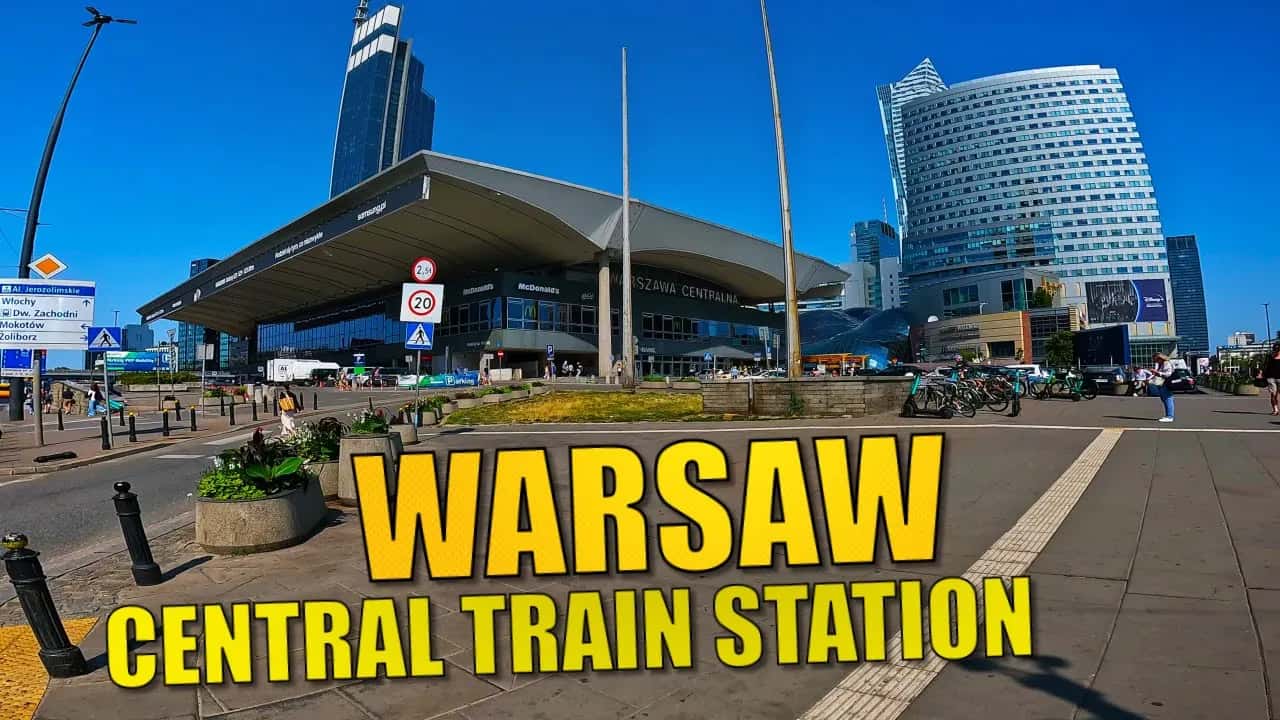
Warszawa Centralna is the primary long-distance railway station in Warsaw, Poland, serving approximately 60,000 travelers daily. Located at Al. Jerozolimskie 54, just 0.59 kilometres from the city centre, Warszawa Centralna began operation in 1975, at a construction cost of 2 billion zloty, and remains one of the country's most historically significant transport hubs.
The station has eight platforms for train services, handling both domestic and international routes, and its multi-level design — featuring an above-ground main hall — has made it a recognizable landmark in central Warsaw for decades. The station's design incorporates modernist architectural elements typical of the era, and it underwent significant modernization ahead of the Euro 2012 tournament, updating facilities while retaining much of its original character.
This layout has helped Warszawa Centralna manage its role as Poland's primary long-distance railway station even as passenger numbers have grown over the decades. Note: some sources describe the station as having been officially named after composer Stanisław Moniuszko in 2019 — this claim couldn't be independently verified and is worth confirming against PKP's official station records before treating it as settled fact.
Trains and Rail Connections
Warszawa Centralna operates international trains to Berlin and Kyiv, alongside domestic routes to Gdynia and Wrocław. Trains from Warszawa Centralna also connect to major cities like Kraków, reflecting the station's role as Poland's primary long-distance railway station and a key point on the country's rail network.
Direct rail services connect Warsaw to major European destinations, making Warszawa Centralna a practical starting point for international rail travel as well as domestic journeys. It's worth noting that Warsaw has two other rail stations besides Centralna — Warszawa Wschodnia (Warsaw East) and Warszawa Zachodnia (Warsaw West) — each serving different routes, so it's worth checking which station your ticket refers to before travelling.
Metro Line M2 connects directly to Warszawa Centralna station, and tram lines 7, 9, 22, 24, and 25 all serve the station as well, giving passengers extensive public transport options right outside the building, alongside taxis available outside the main entrance for travelers who'd rather not use public transport.
Address
Aleje Jerozolimskie 54, 00-001, Warsaw, Poland
Popular questions
For domestic services, arrive 20–30 minutes before departure. For international trains, allow 30–45 minutes.
No routine airport-style security checks are required. Tickets are usually inspected onboard the train.
Yes. The station has cafés, fast-food outlets, convenience stores, and a supermarket.
Yes, "Warszawa Centralna" and "Warsaw Central Railway Station" (or "Warsaw Central Station") both refer to the same building — Poland's primary long-distance railway station, located in central Warsaw.
Warszawa Centralna is the primary long-distance railway station in Warsaw, distinct from Warszawa Wschodnia (Warsaw East) and Warszawa Zachodnia (Warsaw West), which serve different routes. Among Warsaw's railway stations, Centralna handles the majority of international and major domestic long-distance services.
Yes, Warszawa Centralna is located just 0.59 kilometres from the city centre, making it one of the most centrally located major railway stations in Europe.
Yes, public transport is easily accessible from Warszawa Centralna, with Metro Line M2 connecting directly to the station and tram lines 7, 9, 22, 24, and 25 all serving the area immediately outside.
Warszawa Centralna connects to Warsaw's public transport network of trams and buses, which can be used alongside other transit options to reach Chopin Airport, though it's worth checking current routes and timetables for the most direct connection available on the day of travel.
Yes, free Wi-Fi is available throughout the station, alongside more than 20 cafes and restaurants and self-service ticket kiosks for travelers passing through.
Warszawa Centralna functions primarily as a primary railway station for long distance domestic and international services, though some suburban trains and regional trains also call at the station alongside the main long distance domestic network.
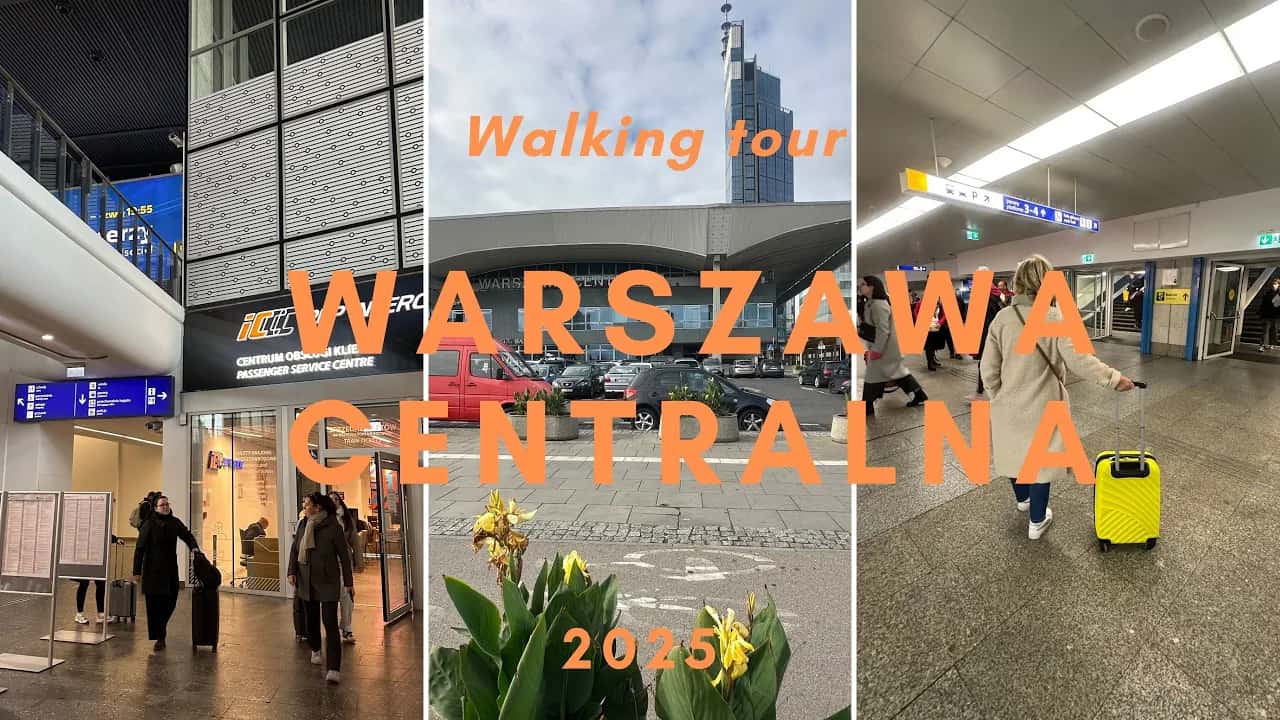
Yes, an underground passage connects different levels of the station building, including a mezzanine level between the main hall above and the platforms below, helping passengers move through Warszawa Centralna without needing to go back outside.
A shopping centre-style retail area sits within the station complex, and waiting rooms are available for passengers with time before their train. Facilities on the north side of the building include additional shops and services alongside the main entrance.
Construction began in the years leading up to the station's 1975 opening, and construction began on the eight tracks that Warszawa Centralna still uses today; those same eight tracks serve its eight platforms, supporting the station's role as Poland's busiest long-distance rail hub.
Warszawa Centralna operates extended opening hours to accommodate both early morning departures and late-night arrivals, in line with the busy schedule of trains passing through the station daily.
Yes, Warszawa Centralna connects to Gdynia Główna and other coastal cities in northern Poland, alongside its international routes and connections to major cities further south and west.
Trains from Warszawa Centralna primarily focus on connections to Berlin and Kyiv, though international rail links to destinations like Vienna and Prague may be available via connecting services rather than a single direct train.
Yes, parking is available near Warszawa Centralna for travelers arriving by car, with additional parking options a short walk from the main building. The nearest metro station connects directly via Metro Line M2, making it easy to reach the station from elsewhere in town without driving or needing parking at all.
Yes, Warszawa Centralna is considered a modern station following its renovation ahead of Euro 2012, and the building has been maintained since to keep pace with the needs of its roughly 60,000 daily passengers.
Yes, safety measures including staff presence and monitoring are standard at Warszawa Centralna, consistent with its role as one of eastern Europe's busiest railway stations.
The Palace of Culture and Science, one of Warsaw's most recognizable landmarks, sits close to Warszawa Centralna, giving travelers an easy cultural stop within walking distance of the station.
"Central railway station" and "Warsaw Central Station" are simply English translations of Warszawa Centralna, and all three terms refer to the same building — Poland's primary long-distance railway station in the heart of Warsaw.
Warsaw Central (Warszawa Centralna) compares favourably to other central railway stations in Europe in terms of location, sitting just 0.59 kilometres from the city centre — closer than many equivalent stations in cities like Berlin or Prague.
Numerous trains serve Warszawa Centralna daily, alongside bus and metro connections including Metro Line M2 and several tram lines, all converging on a genuinely central location just minutes from the heart of Warsaw. Access to platforms is straightforward from the main hall, and taxis provide an additional option for anyone continuing their journey by road.
Warszawa Centralna is situated at Al. Jerozolimskie 54, Warsaw, just 0.59 kilometres from the city centre — an easy walk for travelers without heavy luggage. The station's central location makes onward connections to destinations across Warsaw, including toward Chopin Airport, straightforward via the city's public transport network of trams and buses.
Free Wi-Fi is available throughout Warszawa Centralna, and the station has over 20 cafes and restaurants for travelers wanting a meal or snack before their train. Ticketing services include traditional ticket offices and self-service kiosks, giving passengers flexibility in how they buy their tickets. Toilets require a fee of PLN 2, and luggage storage rooms are open 24 hours a day for travelers who need to store bags for an extended period. Accessibility features include elevators and ramps throughout the station, helping ensure Warszawa Centralna remains manageable for passengers with reduced mobility or heavy luggage.